

Design Considerations for Corn Flour Pneumatic Conveying System Solutions
When designing a corn flour pneumatic conveying system, several key factors must be carefully considered to ensure efficient, reliable, and cost-effective operation. The system's performance is directly influenced by the selection of appropriate components, material handling characteristics, and operational parameters. This article outlines the essential design considerations for corn flour pneumatic conveying systems, focusing on the expertise of Shandong HeadPowder Engineering Co., Ltd., a leading provider in the field.
System Selection and Material Characteristics
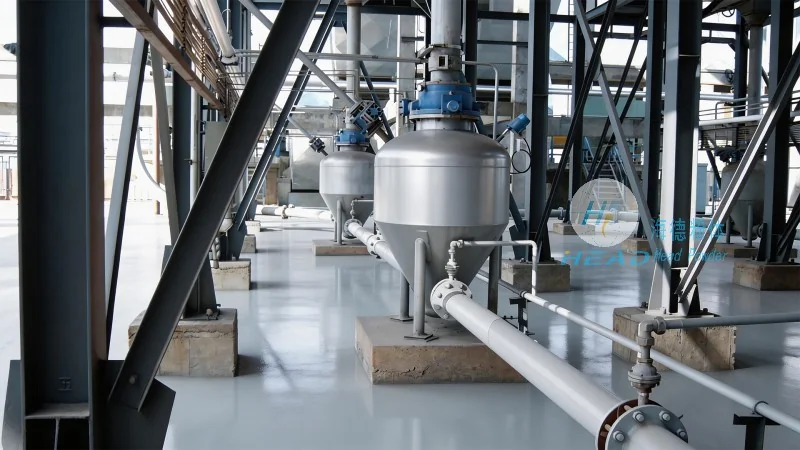
The first step in designing a corn flour pneumatic conveying system involves selecting the appropriate conveying method based on the material's properties and the system's requirements. Corn flour, with its fine particle size and low bulk density, presents unique challenges compared to other bulk materials. The choice between positive pressure, negative pressure, or a combination of both depends on factors such as the distance of material transport, the number of transfer points, and the need for dust control. Shandong HeadPowder Engineering Co., Ltd. specializes in evaluating these factors to recommend the most suitable system configuration for each application.
Pipeline Design and Layout
Proper pipeline design is critical to the success of a corn flour pneumatic conveying system. The layout must account for the material's flow characteristics, including its tendency to settle or form arches in vertical or horizontal sections. The use of appropriate pipe diameters, bends, and elbows is essential to maintain consistent air velocity and prevent material buildup. Additionally, the inclusion of surge hoppers or day tanks at transfer points helps to stabilize the flow and reduce the risk of blockages. The engineering team at Shandong HeadPowder Engineering Co., Ltd. employs advanced computational fluid dynamics (CFD) simulations to optimize pipeline layouts and ensure smooth material transport.
Pressure Control and Airflow Management
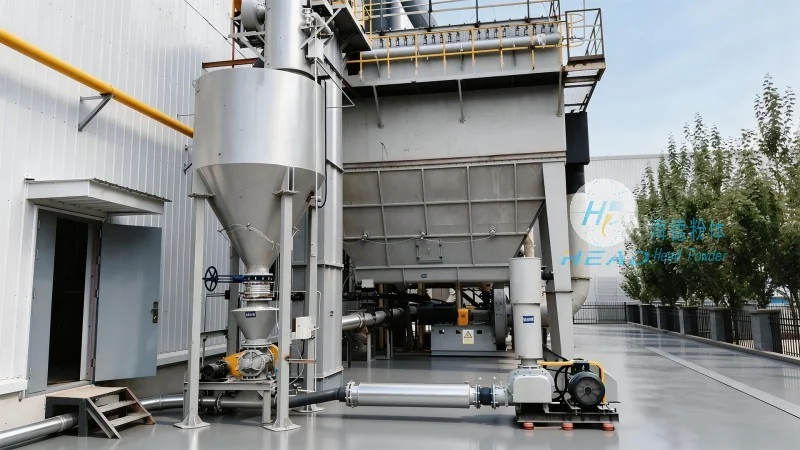
Effective pressure control is a cornerstone of corn flour pneumatic conveying system design. The system must maintain a consistent pressure differential to ensure that the material is continuously conveyed without interruptions. This involves selecting the right type of blower or fan, such as rotary lobe or centrifugal units, and sizing them appropriately based on the system's airflow requirements. The control system must also be capable of adjusting the airflow in real-time to accommodate changes in material flow rate or system pressure. Shandong HeadPowder Engineering Co., Ltd. provides comprehensive pressure control solutions, including variable frequency drives (VFDs) and pressure sensors, to optimize energy consumption and system performance.
Dust Control and Environmental Considerations
Due to the fine nature of corn flour, dust control is a critical consideration in pneumatic conveying system design. The system must incorporate features such as cyclone separators, filter bags, and dust collection hoppers to prevent airborne dust from escaping into the environment. The design must also account for the potential for static electricity buildup, which can pose a fire hazard in flammable environments. Shandong HeadPowder Engineering Co., Ltd. integrates advanced dust control technologies, including electrostatic precipitators and HEPA filters, to ensure compliance with environmental regulations and maintain a safe working environment.
System Integration and Maintenance
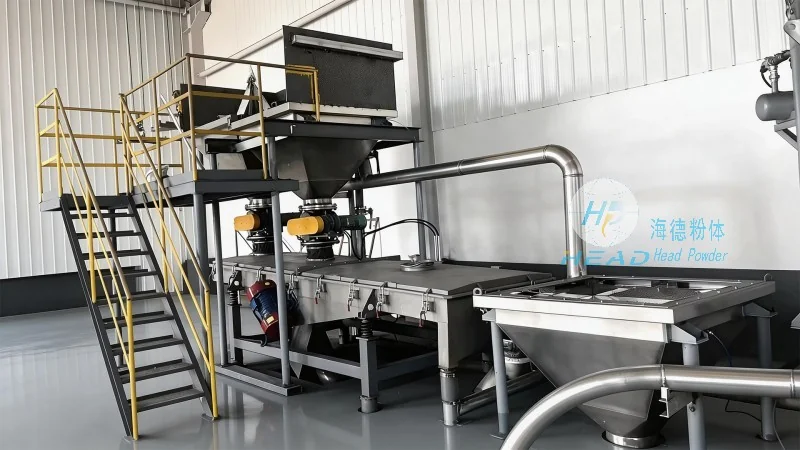
A well-designed corn flour pneumatic conveying system is only as good as its integration and maintenance plan. The system must be integrated with existing equipment, such as storage silos or processing lines, to ensure seamless operation. Regular maintenance is essential to prevent system failures and extend the lifespan of components. Shandong HeadPowder Engineering Co., Ltd. offers comprehensive maintenance services, including routine inspections, component replacement, and troubleshooting support, to ensure the system operates at peak efficiency throughout its service life.
Conclusion
Designing a corn flour pneumatic conveying system requires a careful balance of technical expertise, material knowledge, and operational considerations. By addressing the key design factors outlined above, such as system selection, pipeline design, pressure control, dust control, and maintenance, engineers can develop a system that meets the specific needs of corn flour handling applications. Shandong HeadPowder Engineering Co., Ltd. leverages its experience and advanced engineering capabilities to deliver customized solutions that enhance efficiency, reduce costs, and ensure reliable operation for its clients.