

Key Design Points for Silicate Glass Air-Flow Conveying System Solutions
When designing an air-flow conveying system for silicate glass, several critical design points must be considered to ensure efficiency, safety, and long-term operational reliability. This article outlines key considerations for system design, focusing on the technical and practical aspects that contribute to successful implementation.
Understanding Silicate Glass Properties and Handling Requirements
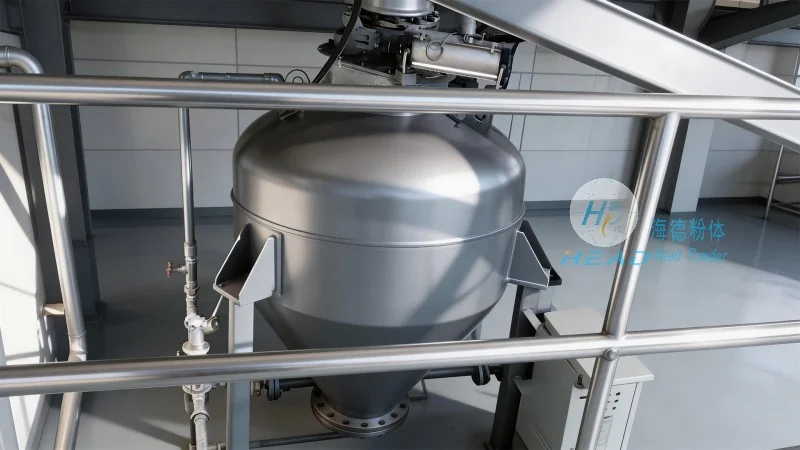
Silicate glass, commonly used in industrial applications such as glass manufacturing, chemical processing, and construction materials, presents unique challenges due to its physical and chemical characteristics. The material is brittle, has a high density, and can be abrasive when in motion. These properties influence the selection of conveying equipment, material handling methods, and system components. Proper understanding of silicate glass behavior under different operational conditions is essential for designing a system that minimizes wear, reduces energy consumption, and prevents material degradation.
System Layout and Component Selection
The layout of an air-flow conveying system for silicate glass must be carefully planned to accommodate the material's flow characteristics and the required throughput. Key components include the hopper, feeder, airlock, conveying pipeline, and dust collection system. The hopper design should prevent material bridging and ensure uniform feeding, while the feeder must provide consistent material flow without causing excessive pressure drops. Airlocks are critical for controlling material discharge and preventing backflow, and their design must match the material's particle size and density. The conveying pipeline should be sized appropriately to minimize pressure loss and maintain adequate air velocity for efficient transport. Additionally, the dust collection system must be capable of handling fine glass particles and preventing air pollution, complying with environmental regulations.
Material Handling and Wear Management
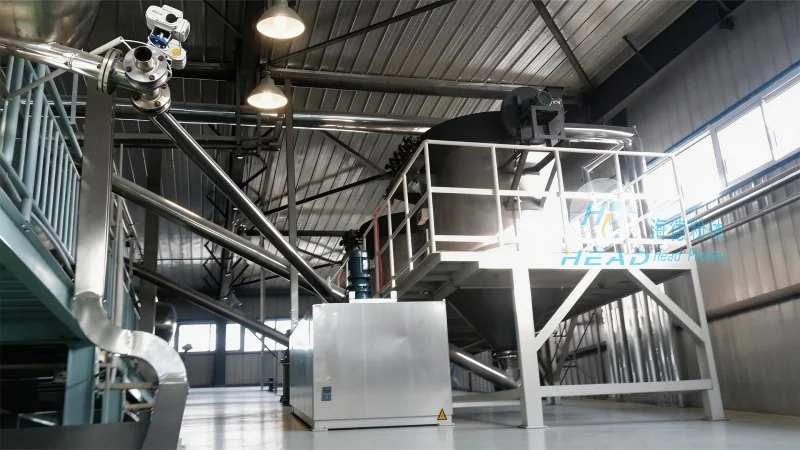
Managing wear in silicate glass air-flow conveying systems is a significant consideration due to the abrasive nature of the material. Components such as hoppers, feeders, and pipeline elbows are prone to wear, which can lead to system downtime and increased maintenance costs. To mitigate this, materials with high wear resistance, such as hardened steel, ceramic, or specialized coatings, are often used for critical parts. Regular inspection and maintenance schedules are essential to monitor wear and replace worn components before they cause system failure. Additionally, the design of the system should include features that reduce particle impact and friction, such as smooth surfaces and proper angle of inclination in the pipeline.
Energy Efficiency and Operational Costs
Energy efficiency is a key factor in the long-term cost-effectiveness of silicate glass air-flow conveying systems. The system's design should aim to minimize energy consumption while maintaining the required material throughput. This can be achieved through proper pipeline sizing, optimizing air velocity, and using efficient air compressors and motors. The use of variable frequency drives (VFDs) to control motor speed can further reduce energy usage by matching the system's power needs to the actual material flow rate. Additionally, regular maintenance and system optimization can help reduce energy waste and extend the lifespan of equipment, leading to lower operational costs over time.
Safety and Environmental Considerations
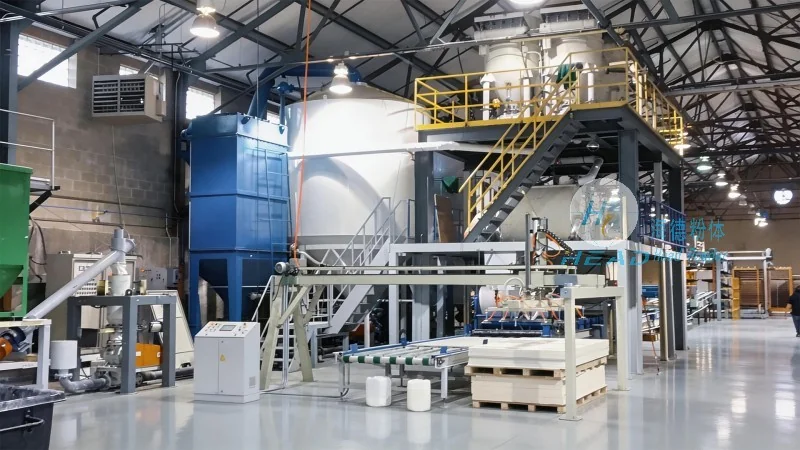
Safety is paramount in silicate glass air-flow conveying systems due to the potential hazards associated with handling abrasive materials and operating high-pressure air systems. Proper safety measures include the use of explosion-proof components, pressure relief valves, and emergency shutdown systems. The system design should also consider the environmental impact of dust emissions, with dust collection systems and filtration equipment used to comply with local regulations and protect the environment. Additionally, the system should be designed to prevent material leakage and cross-contamination, ensuring a clean and safe working environment for operators.
Integration with Existing Facilities and Process Flow
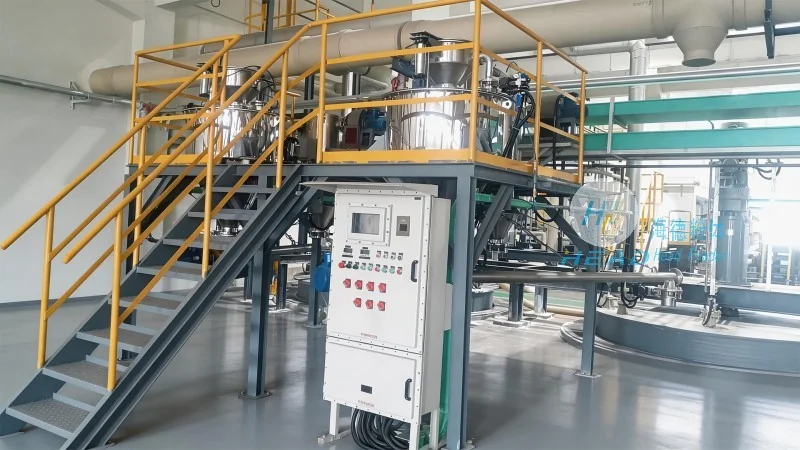
When integrating a new silicate glass air-flow conveying system into an existing facility, it is essential to consider the overall process flow and how the system will interact with other equipment. The system should be designed to fit seamlessly with existing hoppers, storage tanks, and processing lines, minimizing the need for major modifications or new infrastructure. This integration should also consider the material's flow characteristics and how the system will affect the overall production schedule. Proper planning and coordination with the facility's engineering team are crucial to ensure a smooth transition and minimal disruption to operations.
Testing and Commissioning Procedures
Before a silicate glass air-flow conveying system is put into operation, thorough testing and commissioning procedures are necessary to verify its performance and ensure compliance with design specifications. This includes testing the system's flow rate, pressure drop, and material handling capacity under various conditions. The system should be tested with the actual silicate glass material to ensure that it behaves as expected and that all components are functioning correctly. Any issues identified during testing should be addressed before the system is put into full operation. Additionally, the commissioning process should include training for operators on system operation, maintenance, and safety procedures.