

Design Considerations for Organic Fertilizer Pneumatic Conveying System Solutions
Organic fertilizer pneumatic conveying systems are critical for efficient material handling in agricultural and industrial applications. The design of such systems requires careful consideration of multiple factors to ensure optimal performance, reliability, and cost-effectiveness. This article outlines key design considerations for organic fertilizer pneumatic conveying systems, focusing on the technical and operational aspects that influence system performance.
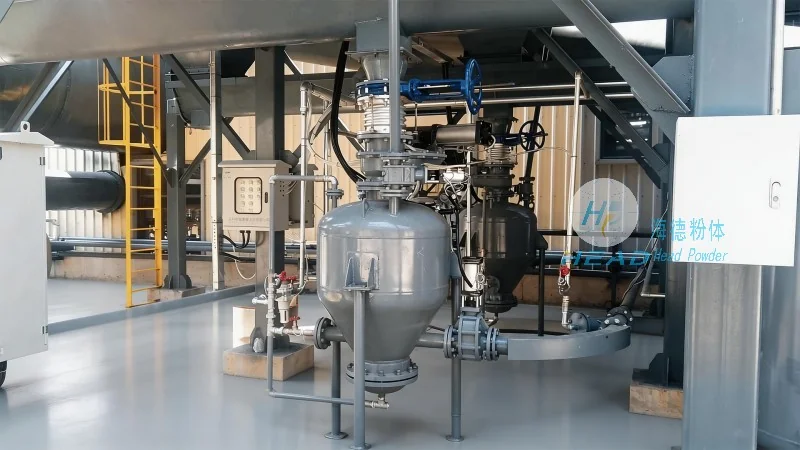
System Overview and Core Components
Organic fertilizer pneumatic conveying systems utilize air pressure to transport bulk materials like compost, manure, and other organic waste from one location to another. The core components of these systems typically include a feeding device, a conveying line (often with bends and elbows), a separation or filtration unit, and a discharge mechanism. The choice of components and their configuration directly impacts the system's efficiency and suitability for specific organic fertilizer handling tasks.
Material Characteristics and Handling Challenges
Organic fertilizers often present unique challenges due to their physical and chemical properties. These materials may vary in particle size, moisture content, and density, which can affect air flow and system pressure. For instance, high moisture content can lead to clogging or increased energy consumption, while variable particle sizes may require adjustable feeding mechanisms to maintain consistent flow rates. Understanding these material characteristics is essential for designing a system that can handle the specific organic fertilizer being processed.
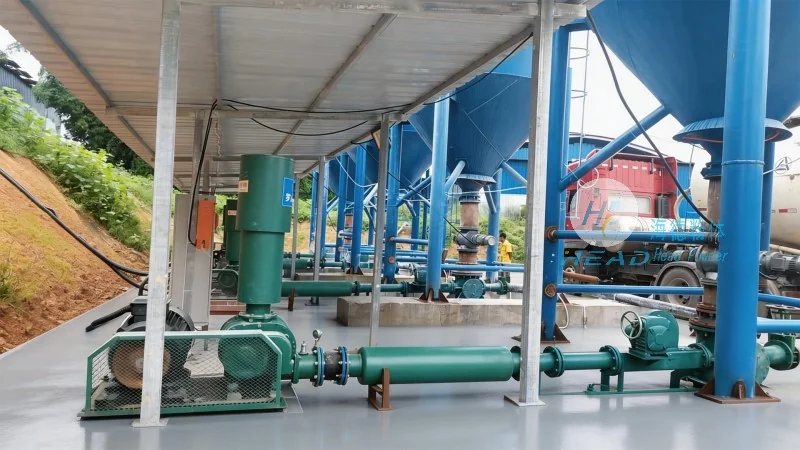
Design Considerations for Air Flow and Pressure
The air flow rate and pressure within the conveying system are fundamental parameters that determine the system's capacity and range. Higher air velocities can increase the conveying distance but may also lead to higher energy costs and potential wear on components. Conversely, lower velocities may reduce energy consumption but limit the maximum conveying distance. Engineers must balance these factors based on the specific application requirements, such as the distance between the feed and discharge points and the volume of material to be transported. The selection of appropriate air velocity and pressure is critical to ensure reliable and efficient operation.
Feeding and Discharge Mechanisms
Effective feeding and discharge mechanisms are crucial for maintaining consistent material flow and preventing system blockages. The feeding device, such as a rotary valve or screw feeder, must be designed to handle the bulk density and flow characteristics of the organic fertilizer. It should be capable of delivering a steady stream of material into the conveying line without causing surges or interruptions. Similarly, the discharge mechanism, including the receiver and outlet, must be designed to handle the material's properties and prevent clogging or spillage. Proper sealing and maintenance of these components are essential to ensure long-term system reliability.
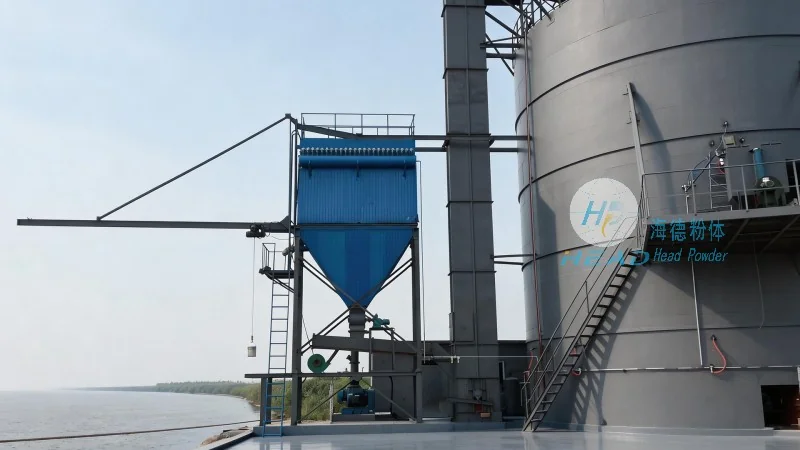
Separation and Filtration Systems
Organic fertilizers may contain moisture, dust, or other contaminants that can affect the performance of the pneumatic conveying system. Separation and filtration systems are typically integrated into the design to remove these impurities and maintain air quality. These systems may include cyclones, bag filters, or other filtration technologies that capture particles and moisture before the air is discharged or recirculated. The effectiveness of these systems depends on the specific contaminants present in the organic fertilizer and the required air quality standards for the application.
Energy Efficiency and Environmental Considerations
Energy efficiency is a key consideration in the design of organic fertilizer pneumatic conveying systems, as these systems often operate continuously and consume significant power. Engineers may incorporate features such as variable frequency drives (VFDs) to adjust air flow and pressure based on demand, reducing energy consumption during low-load periods. Additionally, the use of efficient air compressors and proper system sizing can minimize energy waste. Environmental considerations also play a role, as the system must comply with local regulations regarding emissions and noise. Proper ventilation and noise reduction measures may be required to ensure the system operates within acceptable environmental standards.
System Integration and Scalability
Organic fertilizer pneumatic conveying systems are often integrated into larger material handling or processing facilities. The design must consider how the system will interface with other equipment, such as storage silos, mixing units, or packaging lines. Scalability is another important factor, as the system may need to be expanded to accommodate increased production volumes or changing processing requirements. Modular design approaches can facilitate system expansion and modification without requiring a complete overhaul. The integration of sensors and control systems can also enhance system performance and provide real-time monitoring of key parameters, such as flow rate, pressure, and temperature.
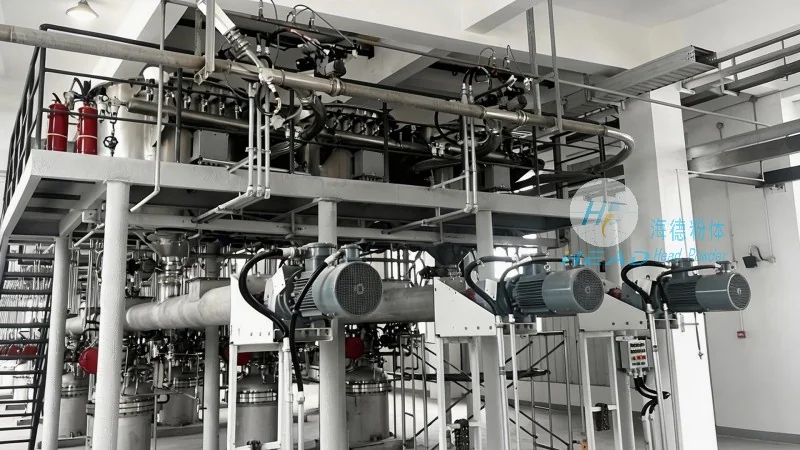
Maintenance and Operational Guidelines
Proper maintenance is essential to ensure the long-term reliability and performance of organic fertilizer pneumatic conveying systems. Regular inspection and maintenance of components, such as filters, bearings, and seals, are necessary to prevent system failures and minimize downtime. Operational guidelines should be established to ensure proper use of the system, including procedures for startup, shutdown, and cleaning. Training of operators on the system's operation and maintenance is also critical to prevent misuse and ensure optimal performance. By following these guidelines, the system can achieve high availability and extend its service life.
Conclusion
Designing an effective organic fertilizer pneumatic conveying system requires a comprehensive approach that considers material characteristics, air flow dynamics, component selection, and operational requirements. By addressing these key design considerations, engineers can develop systems that are efficient, reliable, and cost-effective for handling organic fertilizers. The integration of advanced technologies and proper maintenance practices further enhances system performance and ensures long-term success in agricultural and industrial applications.