

Introduction to Powder Handling for Lithium-Ion Battery Anode Materials: Structural Principles and W
Efficient and reliable powder handling is a critical component in the production of lithium-ion battery anode materials. The process of transporting these fine powders from one stage to another in the manufacturing workflow requires specialized equipment designed to maintain material integrity, minimize contamination, and ensure consistent performance. This article provides an overview of the powder handling systems used for lithium-ion battery anode materials, focusing on their structural principles and operational mechanisms.
Understanding the Importance of Powder Handling in Battery Manufacturing
The production of lithium-ion battery anode materials involves multiple processing steps, including mixing, drying, and size reduction. Each of these steps requires precise control over the flow and distribution of the powder. Inadequate handling can lead to issues such as agglomeration, dust generation, and inconsistent particle size distribution, all of which can negatively impact the final battery performance. Therefore, the design of efficient powder handling systems is essential to ensure high-quality output and operational efficiency.
Structural Principles of Powder Handling Systems
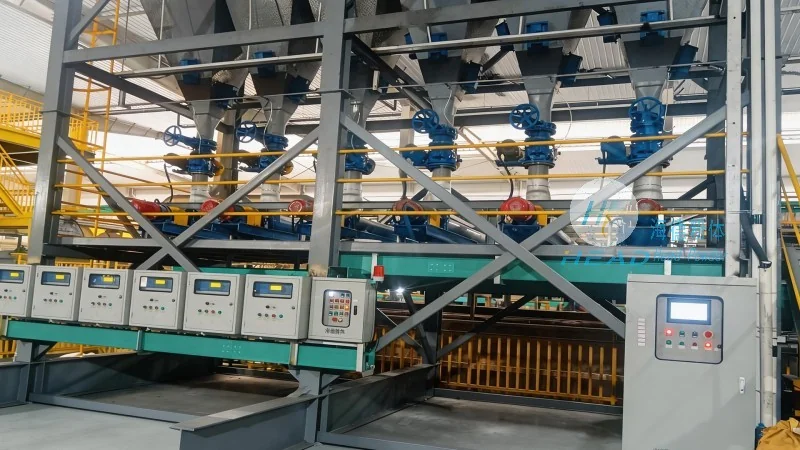
Powder handling systems for lithium-ion battery anode materials typically consist of several key components, including feeders, conveyors, and storage silos. The structural design of these systems is tailored to address the unique challenges posed by fine powders, such as low bulk density and high reactivity. For example, many systems utilize a combination of screw feeders and pneumatic conveyors to achieve gentle and controlled material movement. The feeders are designed to minimize shear forces, which can damage the particle structure and affect battery performance. The conveyors, on the other hand, are engineered to maintain a consistent flow rate, preventing overloading or underloading of downstream equipment.
Working Mechanisms of Key Components
Feeders are a critical component in powder handling systems, responsible for delivering a uniform flow of material to the conveyor. There are several types of feeders used in the industry, including volumetric and gravimetric feeders. Volumetric feeders, such as screw feeders and rotary valves, measure material by volume and are commonly used for bulk handling. Gravimetric feeders, on the other hand, measure material by weight and are preferred for applications requiring high accuracy and consistency. The choice of feeder depends on the specific requirements of the production line, such as the desired flow rate and the need for precise dosing.
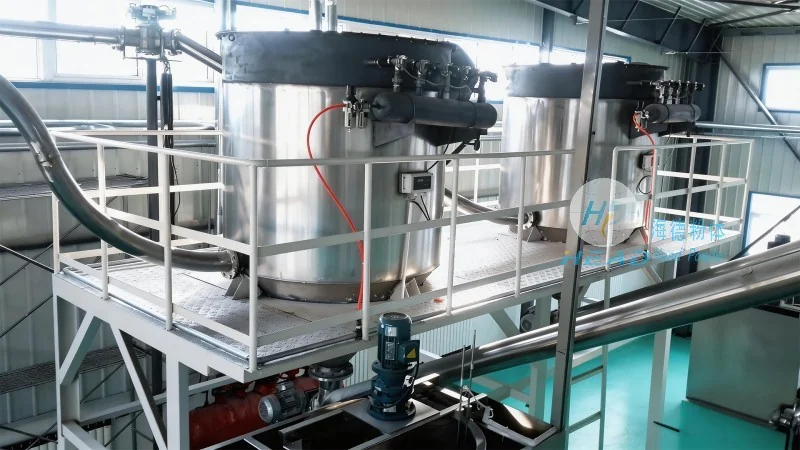
Conveyors are another essential part of the system, responsible for transporting the powder from the feeder to the storage silo or processing equipment. Pneumatic conveyors, which use air pressure to move the material, are widely used due to their ability to handle fine powders without the need for mechanical contact. These systems are particularly effective for preventing contamination and maintaining material purity. The design of the conveyor system, including the pipe diameter and air velocity, is carefully optimized to ensure efficient and reliable material transport.
Role of Storage Silos in Maintaining Material Quality
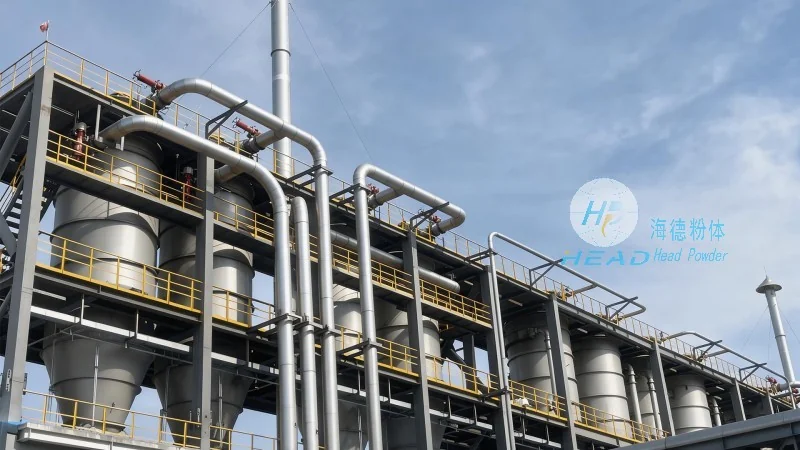
Storage silos are used to store the anode material powder before it is fed into the production line. The structural design of these silos is crucial for maintaining material quality and preventing degradation. Many silos are equipped with agitators or vibrators to prevent material from settling and forming compacted layers, which can lead to uneven flow and blockages. The silos are also designed with aeration systems to control moisture levels and prevent oxidation of the powder. These measures help to ensure that the material remains in optimal condition until it is ready for processing.
Company Overview: Shandong HeadPowder Engineering Co., Ltd.
Shandong HeadPowder Engineering Co., Ltd. is a leading manufacturer of specialized equipment for powder handling in the battery industry. With a focus on innovation and quality, the company has developed advanced systems tailored to the unique needs of lithium-ion battery anode material production. The company's products are designed to meet the highest standards of efficiency, reliability, and safety, ensuring that customers can achieve consistent and high-quality output. HeadPowder's expertise in powder technology and engineering has made it a trusted partner for many leading battery manufacturers worldwide.