

Introduction to Vacuum Powder Feeding and Conveying Systems: Structure and Working Principles
Vacuum powder feeding and conveying systems are essential technologies in modern industrial processing, particularly for the efficient handling of bulk solid materials such as powders, granules, and fine particles. These systems are engineered to transfer materials from a source to a destination while maintaining a controlled environment, often under vacuum conditions to preserve material integrity and ensure process stability. The technology is widely utilized across industries including pharmaceuticals, food processing, chemical manufacturing, and material handling, where precise and reliable material transfer is critical for production efficiency and product quality.
Core Components and Structural Principles
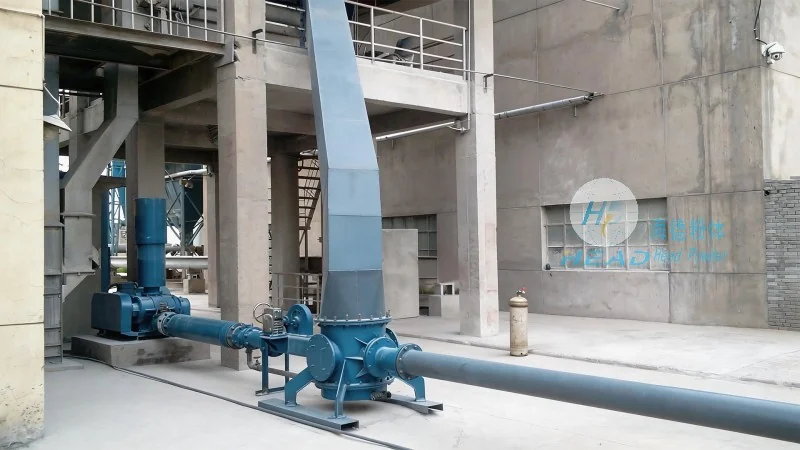
The vacuum powder feeding and conveying system comprises several key components that collaborate to achieve effective material transfer. The primary components include a vacuum pump, a material hopper or feeder, a conveying line (typically a flexible hose or rigid pipe), and a control system. The vacuum pump generates the necessary negative pressure to draw material from the source into the conveying line. The material hopper or feeder holds the bulk material and regulates the flow rate, ensuring a consistent supply to the system. The conveying line transports the material from the hopper to the discharge point, where it is released under controlled conditions. The control system monitors and adjusts vacuum pressure, flow rate, and other parameters to maintain optimal operation and prevent material blockages or spills.
Working Principle of the System
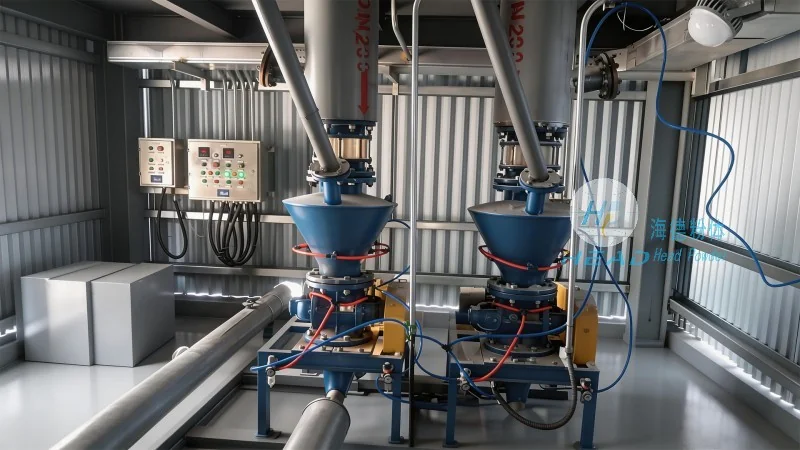
The operation of a vacuum powder feeding and conveying system follows a systematic process. Initially, the vacuum pump is activated, creating a vacuum in the conveying line. This negative pressure draws material from the hopper into the line, where it is carried by the airflow generated by the pump. The material is then transported to the discharge point, where the pressure is released, allowing the material to fall or be discharged into the target container or processing equipment. The system’s design ensures material movement without mechanical contact, reducing wear and contamination. Additionally, the vacuum environment minimizes dust emissions and maintains a clean working environment, which is crucial in industries such as pharmaceuticals and food processing.
About Shandong HeadPowder Engineering Co., Ltd.
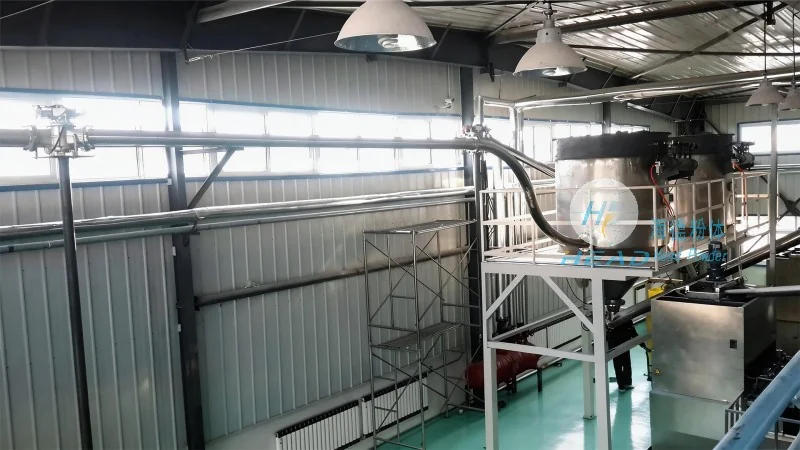
Shandong HeadPowder Engineering Co., Ltd., operating under the brand name headpowder, is a leading manufacturer specializing in the design, development, and supply of advanced vacuum powder feeding and conveying systems. HeadPowder, headquartered in Shandong, China, has established itself as a trusted partner in the industry, providing high-quality equipment tailored to the specific needs of various applications. The company’s expertise lies in understanding material handling challenges and developing systems that enhance process efficiency, reduce downtime, and improve product quality. HeadPowder’s products are known for their durability, reliability, and compliance with industry standards, making them suitable for a wide range of industrial applications.
Applications and Benefits
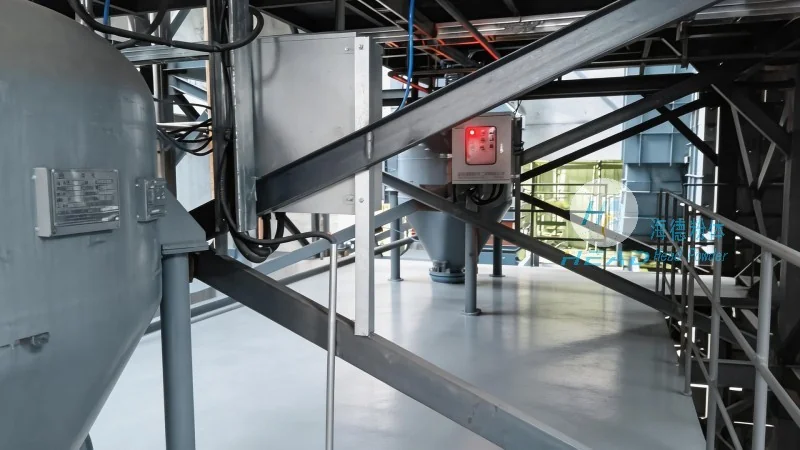
Vacuum powder feeding and conveying systems are versatile and applied in numerous industrial scenarios. In the pharmaceutical industry, these systems handle active pharmaceutical ingredients (APIs) and other sensitive materials, ensuring no contamination or degradation. In food processing, they transport ingredients like flour, sugar, and spices, maintaining hygiene and preventing cross-contamination. In chemical manufacturing, the systems manage reactive powders and granules, where precise flow control is critical for safety and consistency. The benefits of using these systems include improved material handling efficiency, reduced labor costs, minimized dust and waste, and enhanced product quality. Additionally, the systems can be integrated with other processing equipment, enabling seamless material transfer and streamlined production workflows.