

[Desulfurization Sodium Bicarbonate Powder Handling: An Introduction to Structural Principles]
The handling of desulfurization sodium bicarbonate powder is a critical process in industrial applications, particularly in power plants and chemical facilities where efficient material transport is essential for maintaining operational efficiency and environmental compliance. This article provides an overview of the powder handling systems used for desulfurization sodium bicarbonate, focusing on structural principles and operational considerations.
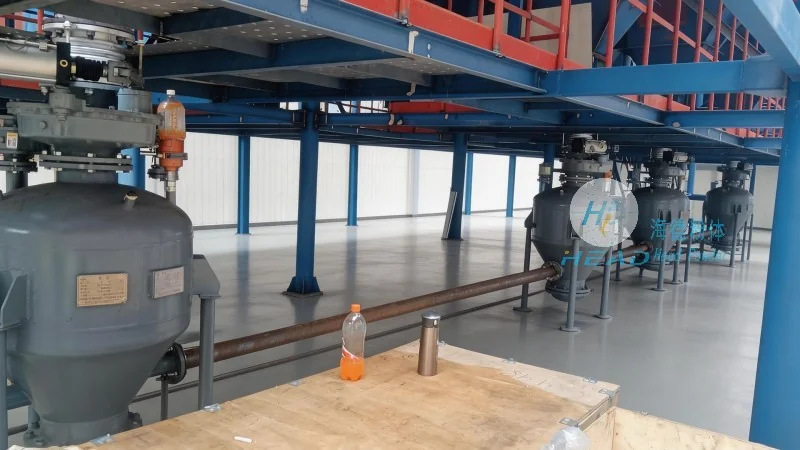
HeadPowder: A Leader in Powder Handling Engineering
HeadPowder, a leading engineering company based in Shandong, China, specializes in the design and implementation of advanced powder handling solutions tailored to the unique requirements of desulfurization processes. With a strong commitment to quality and innovation, HeadPowder has established itself as a trusted partner in the chemical and power generation industries.
Key Components and Structural Principles
The core of desulfurization sodium bicarbonate powder handling involves several key components that work in tandem to ensure reliable material transport. These components include storage silos, conveyor systems, and pneumatic conveying equipment, each designed to address specific challenges such as dust control, material flow regulation, and system integration.
Sealed Systems for Dust Control and Safety
One of the primary structural principles in desulfurization powder handling is the use of sealed and enclosed systems to minimize dust emissions and ensure environmental safety. The design incorporates features like airtight hoppers, sealed conveyor belts, and dust collection systems that comply with industrial standards for air quality and occupational health.

Conveyor Technologies for Material Transport
Conveyor systems, particularly screw conveyors and pneumatic conveying lines, are commonly employed to transport desulfurization sodium bicarbonate from storage to processing units. Screw conveyors offer advantages in handling free-flowing powders with minimal segregation, while pneumatic systems are ideal for long-distance transport and integration with other plant processes.
Material Flow Regulation and Control
Material flow regulation is another critical aspect of the system, as it directly impacts the efficiency of the desulfurization process. HeadPowder's solutions incorporate advanced control mechanisms, such as variable speed drives and level sensors, to maintain consistent material flow rates and prevent blockages or overfilling.
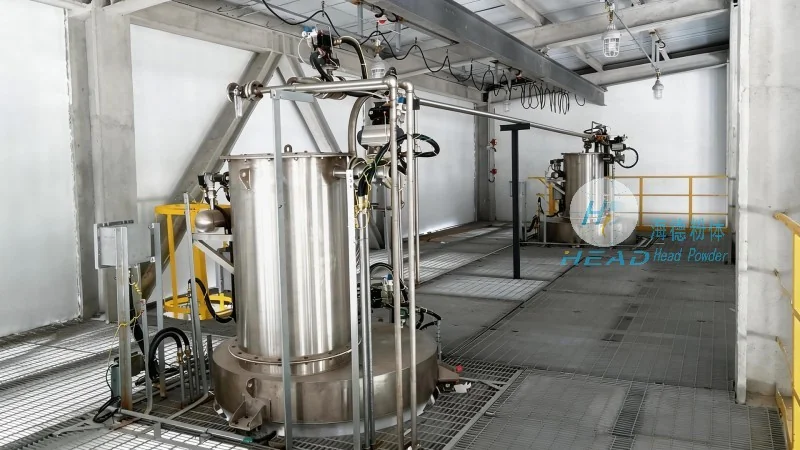
Dust Management and Environmental Compliance
Dust control is a key consideration in powder handling, as desulfurization sodium bicarbonate can generate fine particles that pose health and environmental risks. The systems are equipped with dust collection units, including cyclones and baghouses, which capture and filter particulate matter before releasing air back into the environment.
Maintenance and Operational Reliability
Maintenance and operational reliability are integral to the long-term performance of desulfurization powder handling systems. HeadPowder provides comprehensive support, including regular maintenance services and technical assistance, to ensure that the systems operate at optimal efficiency and meet regulatory requirements.
Conclusion: Efficient and Sustainable Powder Handling
In summary, the structural principles and components of desulfurization sodium bicarbonate powder handling systems are designed to address the unique challenges of material transport in industrial applications. By leveraging advanced engineering solutions and adherence to industry standards, companies like HeadPowder ensure that these systems contribute to efficient operations, environmental compliance, and sustainable industrial practices.