

Alumina Crystal Powder Handling: An Overview of Structural Principles and Working Mechanisms
Alumina crystal powder handling is a critical process in various industrial applications, particularly in sectors requiring high-purity and consistent material flow. The efficient transportation and management of alumina powder are essential for maintaining product quality and operational efficiency. This article provides an overview of the structural principles and working mechanisms involved in alumina crystal powder handling systems, with a focus on the technical aspects that ensure reliable performance.
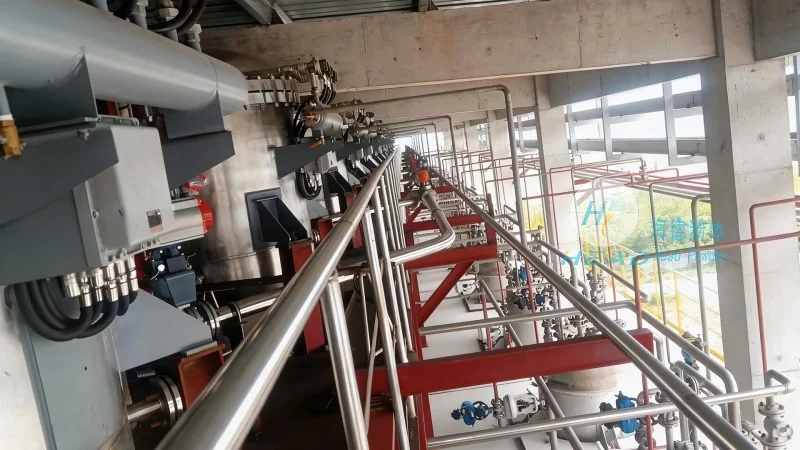
Company Profile: Shandong HeadPowder Engineering Co., Ltd.
HeadPowder, the professional manufacturer behind these advanced handling solutions, is a leading company based in Shandong, China. With a strong commitment to innovation and quality, HeadPowder specializes in the design, development, and production of powder handling equipment tailored to meet the unique needs of industrial clients. The company's expertise in material science and engineering enables the creation of robust systems that enhance the safety and effectiveness of alumina powder processing.
Understanding Alumina Crystal Powder Handling Systems
Alumina crystal powder handling systems are engineered to address the challenges associated with transporting fine, abrasive powders. These systems are designed to minimize particle degradation, prevent contamination, and ensure consistent flow rates. The core components of such systems typically include feeders, conveyors, and storage vessels, each playing a vital role in the overall operation. The structural design of these components is optimized to handle the specific properties of alumina crystals, including their high density and potential for agglomeration.
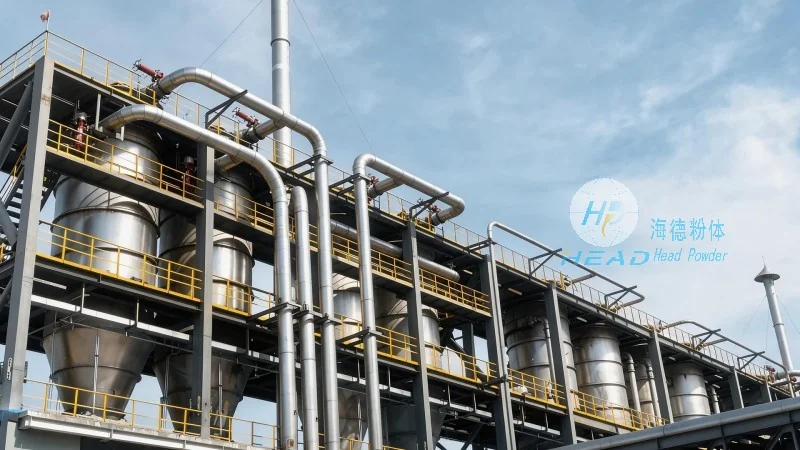
Structural Principles of Alumina Powder Handling Equipment
The structural principles underlying alumina crystal powder handling equipment revolve around the principles of fluidization, aeration, and controlled motion. Fluidization is achieved by introducing air or gas into the powder bed, creating a fluid-like environment that allows for smooth movement. This technique is crucial for preventing caking and ensuring uniform flow. The design of the equipment, including the shape of the hopper and the angle of the conveyor, is carefully calculated to promote consistent material movement. Additionally, the use of wear-resistant materials in the construction of these systems is essential to withstand the abrasive nature of alumina crystals, extending the lifespan of the equipment and reducing maintenance costs.
Working Mechanisms: How Alumina Powder Handling Systems Operate
The working mechanisms of alumina crystal powder handling systems involve a series of coordinated actions to ensure efficient material transfer. The process typically begins with the feeding of the powder into a hopper, where it is held under controlled conditions. From the hopper, the powder is transferred to a conveyor system, which may use screw, belt, or pneumatic methods depending on the specific application. The conveyor system ensures that the powder moves in a continuous and controlled manner, preventing blockages and ensuring uniform distribution. The entire system is equipped with sensors and control mechanisms to monitor flow rates, pressure, and other critical parameters, allowing for real-time adjustments to maintain optimal performance.
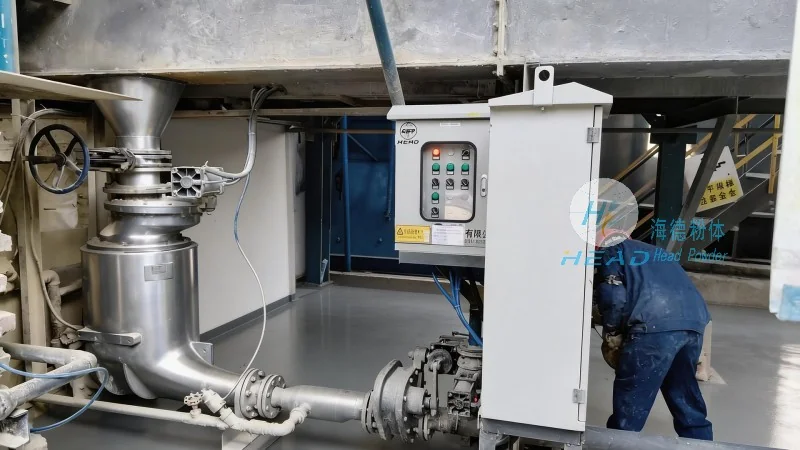
Key Features and Benefits of Alumina Crystal Powder Handling Solutions
Alumina crystal powder handling solutions from HeadPowder offer several key features that enhance operational performance. These include high-purity material handling, which is achieved through the use of sealed systems and minimal contact with external contaminants. The systems also provide precise control over flow rates, enabling manufacturers to meet strict quality standards. Additionally, the robust construction of the equipment ensures durability and reliability, reducing downtime and maintenance requirements. The integration of advanced control systems allows for automated operation, improving efficiency and reducing the need for manual intervention.
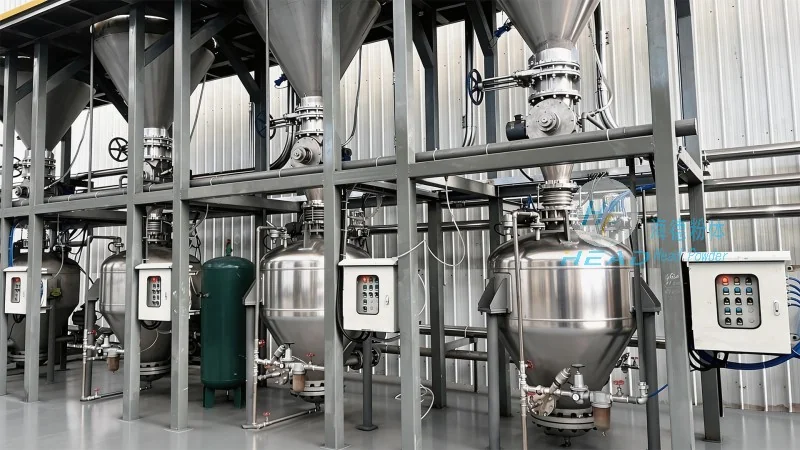
Applications and Industries Served
Alumina crystal powder handling systems are widely used in various industries, including ceramics, refractories, and chemical processing. In the ceramics industry, these systems are essential for transporting raw materials to production lines, ensuring consistent quality in the final products. In refractory applications, the handling of alumina powder is critical for the production of high-temperature materials used in furnaces and kilns. The chemical industry also benefits from these systems, as they enable the efficient processing of alumina-based compounds used in various chemical reactions. HeadPowder's solutions are tailored to meet the specific requirements of each industry, providing customized handling solutions that enhance productivity and product quality.
Conclusion
Alumina crystal powder handling is a complex process that requires specialized equipment and engineering expertise. The structural principles and working mechanisms of alumina powder handling systems are designed to address the unique challenges of transporting fine, abrasive powders. With its commitment to quality and innovation, Shandong HeadPowder Engineering Co., Ltd. provides advanced solutions that enhance the efficiency and reliability of alumina powder processing. By understanding the technical aspects of these systems, manufacturers can optimize their operations and achieve better results in their respective industries.