

Introduction to Dry Powder Material Handling: Structural Principles and Operational Theory
For industries that rely on the efficient and safe transport of dry powders, understanding the underlying principles of dry powder material handling is crucial. This article provides a comprehensive overview of the structural principles and operational mechanisms involved in dry powder handling systems, presented by Shandong HeadPowder Engineering Co., Ltd., a leading provider in the field.
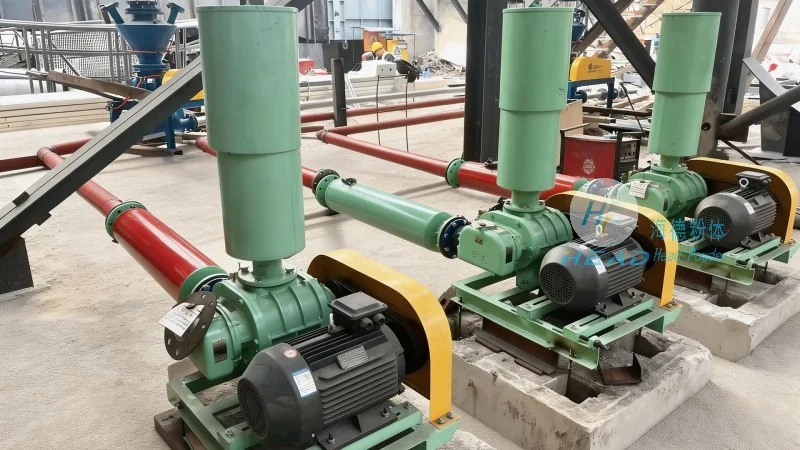
Company Profile: Shandong HeadPowder Engineering Co., Ltd.
HeadPowder, the brand under Shandong HeadPowder Engineering Co., Ltd., specializes in the design, manufacturing, and implementation of advanced dry powder handling solutions. With a strong commitment to innovation and quality, the company has established itself as a trusted partner for businesses seeking reliable and efficient material handling systems. Headquartered in Shandong, China, HeadPowder leverages local expertise and global standards to deliver tailored solutions that meet the unique demands of various industrial applications.
Introduction to Dry Powder Material Handling
Dry powder material handling refers to the processes and technologies used to transport, store, and manage dry powders in industrial settings. These materials, which include chemicals, pharmaceuticals, food products, and more, require specialized handling to ensure safety, efficiency, and product integrity. The primary challenges in dry powder handling include preventing material degradation, controlling dust generation, and maintaining consistent flow characteristics. Effective dry powder handling systems address these challenges through a combination of mechanical design, material selection, and operational controls.
Structural Principles of Dry Powder Handling Systems
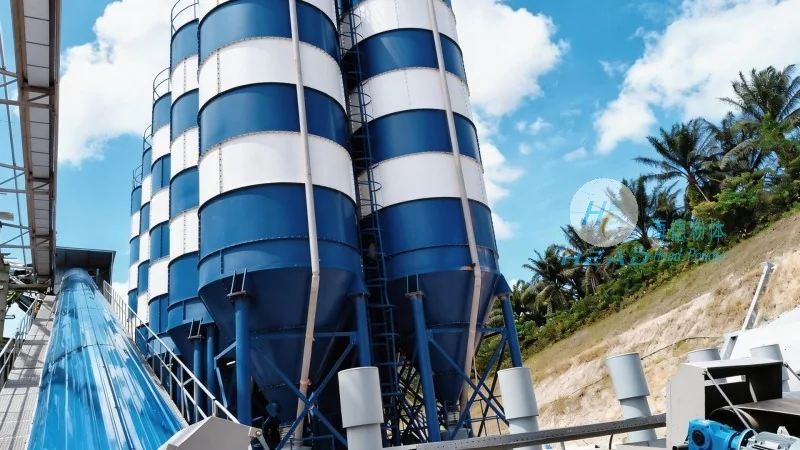
The structural design of dry powder handling systems is built upon several key principles that ensure optimal performance and safety. One of the fundamental principles is the use of enclosed and sealed systems to minimize dust exposure and environmental contamination. This design approach adheres to industrial safety standards and regulatory requirements, particularly in industries such as pharmaceuticals and food processing. Additionally, the systems incorporate components like hoppers, conveyors, and valves that are specifically engineered to handle the unique properties of dry powders, such as particle size, density, and flowability.
Operational Mechanisms and Working Theory
The operational mechanisms of dry powder handling systems involve a series of coordinated actions to ensure smooth material transport. The process typically begins with the loading of dry powder into a hopper, where the material is stored under controlled conditions. From the hopper, the powder is transferred to a conveyor system, which may use mechanisms like screw conveyors, pneumatic conveyors, or belt conveyors to move the material to its destination. Valves and control devices are integrated into the system to regulate the flow rate and direction of the powder, ensuring precise and controlled delivery. The working theory behind these mechanisms is based on fluidization, where the powder is treated as a fluid to facilitate movement, and on the principles of mechanical force application to overcome resistance and maintain consistent flow.
Key Components and Their Functions
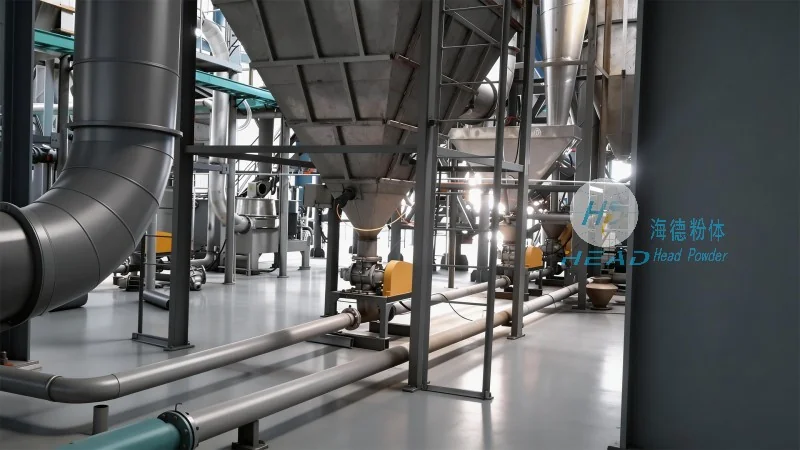
Several critical components make up a dry powder handling system, each playing a vital role in the overall operation. Hoppers are used for material storage and feeding, with designs that prevent caking and ensure uniform material discharge. Conveyors, such as screw or pneumatic types, are responsible for transporting the powder from one location to another. Valves, including rotary and slide valves, control the flow of powder, allowing for precise dosing and preventing backflow. Additionally, dust collection systems and filtration units are integrated to capture and remove airborne particles, maintaining a clean and safe working environment. These components work in harmony to create a reliable and efficient dry powder handling solution.
Applications and Industry Impact
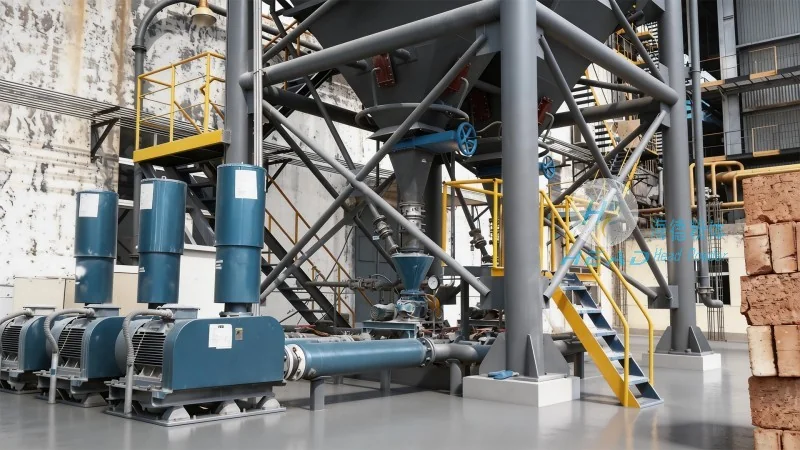
Dry powder handling systems are widely used across various industries, including pharmaceuticals, food processing, chemical manufacturing, and mining. In the pharmaceutical industry, for example, these systems are essential for ensuring the purity and consistency of drug powders, which directly impacts product quality and patient safety. In the food industry, they help maintain the integrity of food products during processing and packaging. The ability to handle dry powders efficiently and safely has a significant impact on operational efficiency, reducing downtime and improving overall productivity. By providing reliable solutions, companies like Shandong HeadPowder Engineering Co., Ltd. contribute to the advancement of industrial processes and the safety of workers and consumers.
Conclusion and Future Outlook
In conclusion, the structural principles and operational mechanisms of dry powder handling systems are critical to the success of industries that rely on dry powders. The systems, designed and manufactured by companies like Shandong HeadPowder Engineering Co., Ltd., offer a combination of efficiency, safety, and reliability that addresses the unique challenges of powder handling. As technology continues to advance, we can expect further innovations in dry powder handling, including more sophisticated control systems and materials that enhance performance. For businesses seeking to optimize their material handling processes, investing in advanced dry powder handling solutions is a strategic step toward improved efficiency and compliance with industry standards.