

Introduction to Pulse Dust Collector Powder Conveying: Structure and Principle Overview
HeadPowder, a leading manufacturer based in Shandong, China, specializes in the design and production of advanced pulse dust collector systems and powder conveying solutions. This article provides an overview of the structure and operational principles of pulse dust collector powder conveying systems, highlighting the key components and their functional roles in industrial applications.
Understanding Pulse Dust Collector Technology
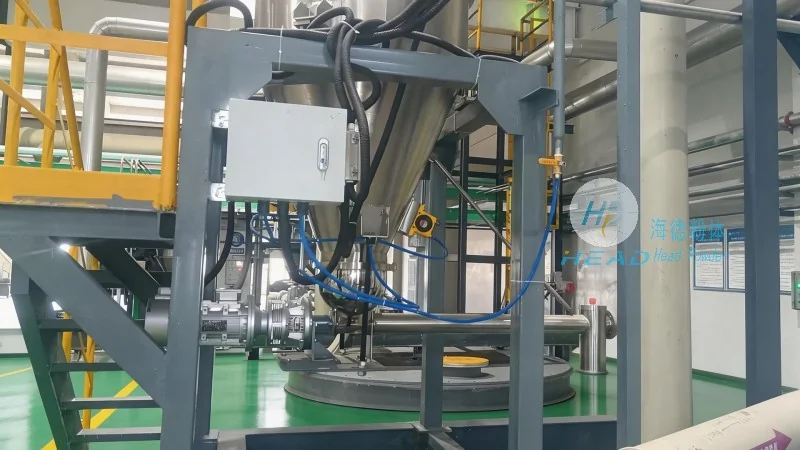
Pulse dust collectors are a critical component in industrial air purification and material handling processes. These systems are engineered to efficiently capture and remove particulate matter from air streams, ensuring compliance with environmental regulations and maintaining operational efficiency in various manufacturing environments. The core of a pulse dust collector lies in its filtration mechanism, which typically involves a series of filter bags or cartridges that trap dust particles as air passes through them.
Key Structural Components of Pulse Dust Collectors
The pulse dust collector system comprises several essential components that work in tandem to achieve effective dust removal. The main parts include the housing, filter bags, pulse valve, air distribution system, and cleaning mechanism. The housing provides a robust enclosure for the filter elements, protecting them from external contaminants and ensuring structural integrity under operational conditions. Filter bags, often made from high-efficiency materials such as polyester or polypropylene, are the primary filtration media, designed to capture fine particles with high efficiency. The pulse valve is a critical control device that delivers short bursts of compressed air to the filter bags, causing them to vibrate and dislodge accumulated dust. The air distribution system ensures uniform airflow across all filter bags, preventing localized overloading and optimizing filtration performance. The cleaning mechanism, which may include a hopper for collecting removed dust and a discharge system, completes the cycle by removing the captured particles and returning the cleaned air to the process.
Principle of Operation: The Pulse Cleaning Process
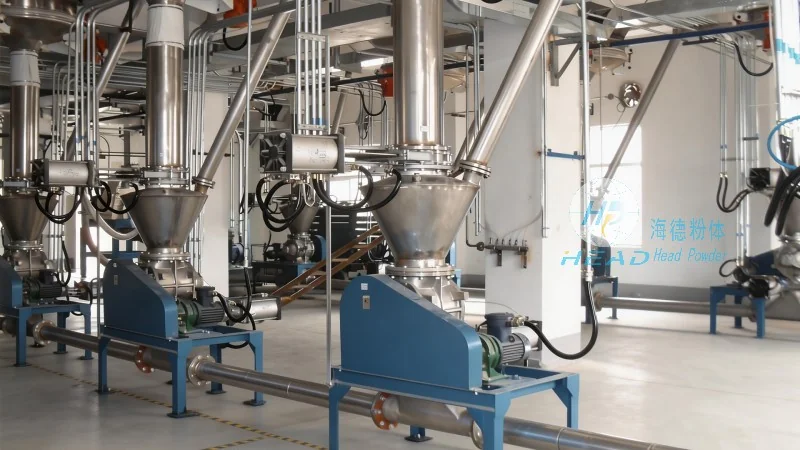
The operational principle of a pulse dust collector is centered around the pulse cleaning cycle, which is designed to maintain the efficiency of the filter bags over time. When the system is in operation, contaminated air is drawn into the housing and passes through the filter bags, where dust particles are trapped on the surface of the filtration media. As the filter bags become clogged with dust, the pressure drop across the system increases, triggering the cleaning cycle. The pulse valve then releases a short, high-pressure pulse of air into each filter bag, causing the bag to contract and dislodge the accumulated dust. This process is repeated sequentially for all filter bags, ensuring that the entire system is cleaned without interrupting the airflow. The dislodged dust falls into the hopper and is later discharged, while the cleaned air is vented back into the environment or recycled for further use.
Powder Conveying Integration in Pulse Dust Collectors
Many industrial applications require the integration of powder conveying systems with pulse dust collectors to facilitate the transport of captured powders from the hopper to storage or processing units. The powder conveying component typically includes a conveyor system, such as a screw conveyor or pneumatic conveyor, which is connected to the dust collector's hopper. This integration ensures that the captured dust is efficiently removed from the system and transported without manual intervention. The conveying system is designed to handle various types of powders, including fine particles and bulk materials, and operates in conjunction with the dust collector's cleaning cycle to maintain a continuous flow of material. By combining pulse dust collection with powder conveying, industrial facilities can achieve both effective air purification and efficient material handling, reducing downtime and operational costs.
Applications and Benefits of Pulse Dust Collector Powder Conveying Systems
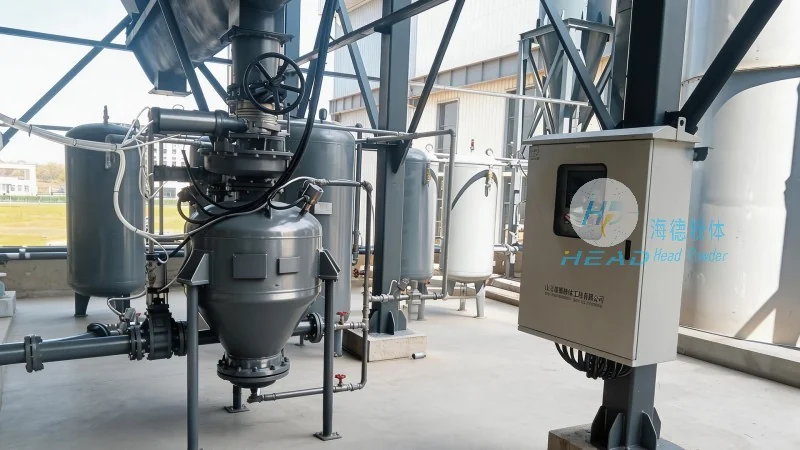
Pulse dust collector powder conveying systems are widely used in various industries, including cement, chemical, food processing, and pharmaceutical manufacturing. These systems are particularly beneficial in applications where high dust removal efficiency and reliable material handling are critical. The key benefits of such systems include improved air quality, reduced environmental impact, enhanced operational efficiency, and lower maintenance costs. By effectively capturing and conveying dust particles, these systems help industrial facilities comply with environmental regulations and maintain a safe working environment for personnel. Additionally, the integration of powder conveying with dust collection reduces the need for manual handling of powders, minimizing the risk of dust exposure and improving overall workplace safety.
Conclusion
HeadPowder's pulse dust collector powder conveying systems represent a sophisticated solution for industrial air purification and material handling needs. By understanding the structural components and operational principles of these systems, industrial facilities can optimize their dust removal processes and improve overall operational efficiency. The integration of advanced filtration technology with efficient powder conveying ensures that dust is effectively captured and removed, contributing to a cleaner and safer industrial environment. As a leading manufacturer based in Shandong, China, HeadPowder continues to innovate in dust collection and powder handling technologies, providing reliable and high-performance solutions for its global clients.