

Operation Process and Working Principle of Corn Cob Material Pneumatic Conveying Machine
HeadPowder, a leading manufacturer in the field of material handling equipment, specializes in the design, production, and supply of advanced pneumatic conveying systems tailored for various industrial applications. The company, based in Shandong, China, has established itself as a trusted partner for businesses seeking efficient and reliable solutions for transporting bulk materials like corn cob. This article delves into the operational process and underlying principles of a corn cob material pneumatic conveying machine, highlighting its key components, functionality, and the benefits it offers to industrial operations.
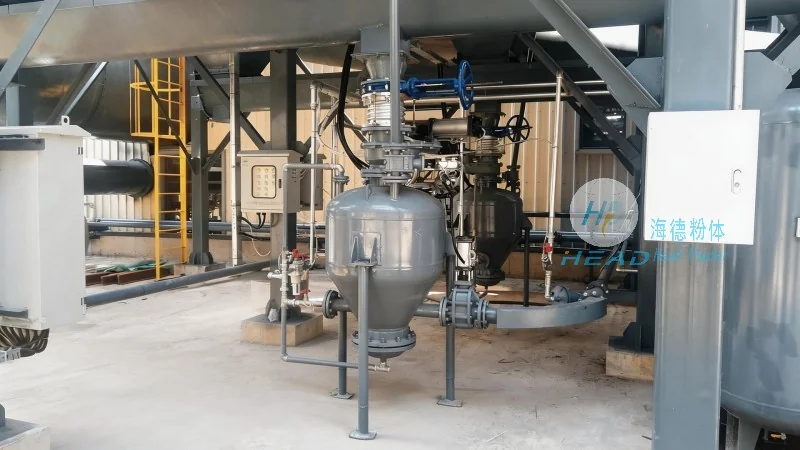
Overview of Corn Cob Material Pneumatic Conveying Systems
Corn cob material pneumatic conveying machines are engineered to transport bulk materials such as corn cob, sawdust, and other agricultural residues through a pressurized or vacuum system. These systems are widely used in the agricultural and food processing industries due to their ability to handle abrasive and lightweight materials with minimal wear and tear. The core of such a system is the pneumatic conveyor, which utilizes air pressure to move materials from a source to a destination, eliminating the need for mechanical components like belts or chains that can be prone to maintenance issues.
Key Components of the Pneumatic Conveying Machine
The corn cob material pneumatic conveying machine consists of several critical components that work in tandem to ensure efficient material transport. These include the hopper, which serves as the material storage and feeding unit; the conveyor line, which is the main pathway for the material and air mixture; the air compressor or vacuum pump, which generates the necessary pressure or vacuum to move the material; the filter and separator, which remove dust and separate the conveyed material from the air; and the discharge unit, which delivers the material to its final destination. Each component is designed to withstand the specific challenges posed by corn cob, such as its fibrous texture and potential for clogging, ensuring consistent performance over time.
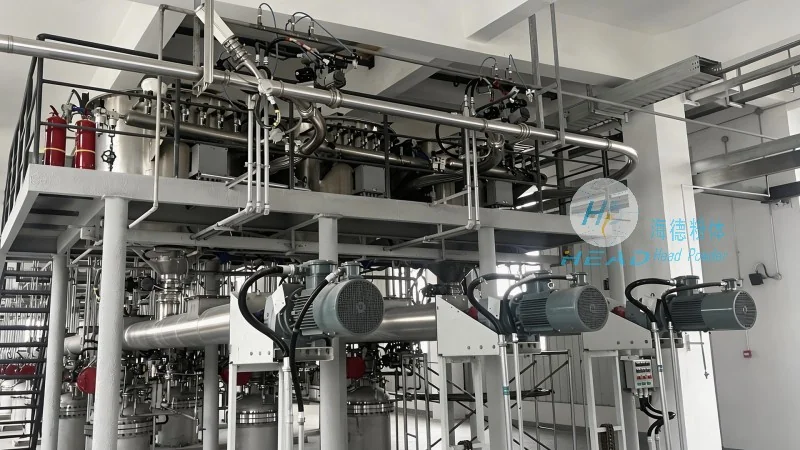
Operation Process of the Pneumatic Conveying Machine
The operation of a corn cob material pneumatic conveying machine typically begins with the loading of corn cob into the hopper. The material is then fed into the conveyor line through a rotary valve or feeder, which controls the flow rate and prevents overloading. Simultaneously, the air compressor or vacuum pump generates a flow of air that travels through the conveyor line, creating a pressure differential that propels the corn cob particles forward. As the material moves through the system, it is carried by the air stream, which helps to prevent material buildup and ensures smooth transport. The filter and separator unit then captures any dust or fine particles, ensuring that the air is clean and safe for the environment. Finally, the corn cob is discharged from the system at the desired location, completing the transport process.
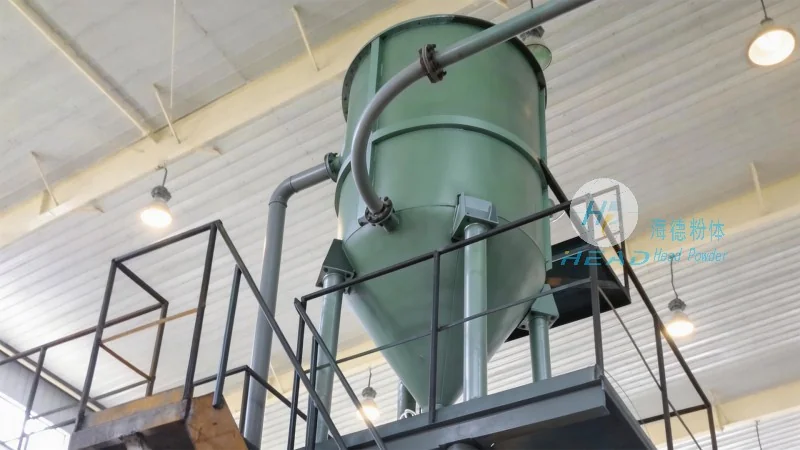
Working Principle of the Pneumatic Conveying Machine
The working principle of a corn cob material pneumatic conveying machine is based on the fundamental physics of fluid dynamics and particle transport. The system operates by creating a flow of air that is sufficient to overcome the gravitational and frictional forces acting on the corn cob particles. In a pressurized system, the air compressor increases the air pressure above the atmospheric level, forcing the material through the conveyor line. The velocity of the air stream is carefully controlled to ensure that the corn cob particles are carried without excessive turbulence, which could lead to material degradation or system wear. In a vacuum system, the vacuum pump reduces the pressure in the conveyor line below atmospheric level, drawing the material from the hopper into the system. The choice between pressurized and vacuum operation depends on the specific application and the distance and height of the material transport. The efficiency of the system is determined by the balance between air flow rate, material feed rate, and system pressure, all of which are optimized to achieve the desired throughput and material quality.
Benefits and Applications of Corn Cob Material Pneumatic Conveying Machines
The use of corn cob material pneumatic conveying machines offers several advantages over traditional mechanical conveying methods. These include reduced maintenance costs due to the absence of moving parts that can wear out, increased safety as there are no exposed mechanical components, and improved material handling efficiency due to the ability to transport materials over long distances and at high speeds. The systems are particularly well-suited for applications in the agricultural sector, where corn cob is used as animal feed or for biofuel production. They are also used in food processing facilities for transporting corn products and in industrial settings for handling other bulk agricultural residues. The flexibility of the pneumatic conveying system allows it to be adapted to various production requirements, making it a versatile solution for a wide range of industrial needs.