

Operation Process and Working Principle of Dry Sludge Material Pneumatic Conveying Machine
The dry sludge material pneumatic conveying machine is a critical piece of equipment in modern waste management and environmental engineering. As cities and industries generate increasing amounts of sludge, efficient and reliable transportation of this material is essential for treatment, disposal, and resource recovery processes. This equipment enables the transport of dry sludge over long distances without the need for traditional mechanical conveyors, which can be prone to blockages and maintenance issues. The machine's design focuses on minimizing material degradation, ensuring hygienic handling, and optimizing energy consumption, making it a preferred solution for both municipal and industrial applications.
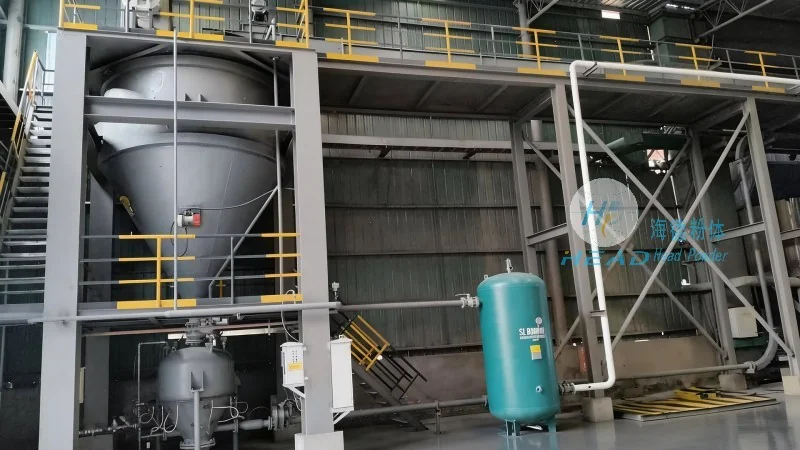
Company Overview: Shandong HeadPowder Engineering Co., Ltd.
HeadPowder, a leading manufacturer in the field of pneumatic conveying systems, specializes in developing and supplying advanced solutions for handling dry sludge and other bulk materials. With a strong commitment to innovation and quality, the company has established itself as a trusted partner for clients seeking efficient and sustainable material transport solutions. HeadPowder's products are engineered to meet the stringent requirements of the waste management industry, ensuring compliance with environmental regulations and operational efficiency. The company's headquarters is located in Shandong, China, where it leverages local expertise and resources to deliver high-performance equipment tailored to specific client needs.
Working Principle of the Pneumatic Conveying System
The core of the dry sludge material pneumatic conveying machine is a pneumatic conveying system that utilizes air or gas to transport dry sludge particles through a pipeline. The system operates on the principle of creating a pressure differential between the inlet and outlet of the pipeline. At the inlet, a fan or blower generates a high-pressure air stream, which draws the dry sludge particles into the pipeline. The sludge is then carried along the pipeline by the moving air, maintaining a consistent flow rate and preventing clogging. The system typically includes components such as a hopper for material storage, a rotary valve for controlled discharge, a filter to remove fine particles from the air, and a receiver for the transported sludge. This integrated approach ensures smooth and continuous operation, with minimal maintenance requirements.
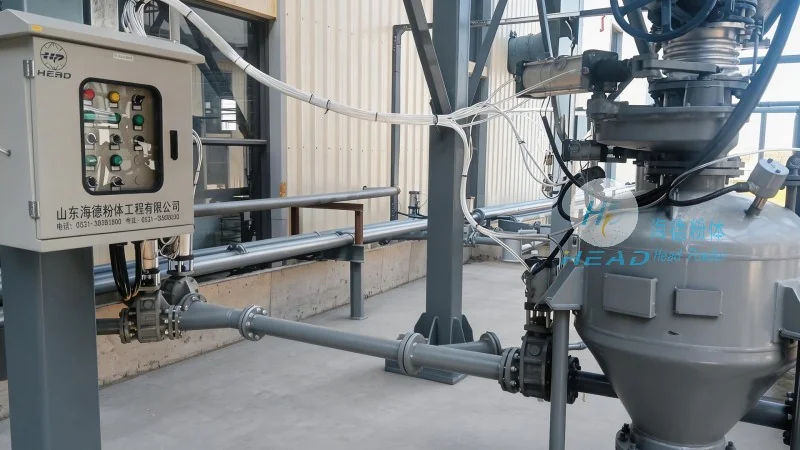
Operation Process and Key Components
The operation process of the dry sludge material pneumatic conveying machine involves several key steps and components that work in harmony to achieve efficient material transport. The process begins with the loading of dry sludge into the hopper, where the material is stored under controlled conditions to prevent moisture accumulation or degradation. A rotary valve then regulates the flow of sludge from the hopper into the pipeline, ensuring a consistent feed rate. The fan or blower then generates the necessary air pressure, creating a suction effect that pulls the sludge particles into the pipeline. As the sludge travels through the pipeline, it is mixed with the air stream, maintaining a stable suspension and preventing particle separation. The system includes a filter at the outlet to capture any fine particles, ensuring clean air discharge and protecting downstream equipment. Finally, the sludge is deposited into a receiver or storage tank at the destination, completing the transport cycle. Key components such as the hopper, rotary valve, fan, and filter are all designed to work together seamlessly, optimizing the overall performance of the system.
Advantages and Applications in Sludge Handling
The dry sludge material pneumatic conveying machine offers several advantages over traditional mechanical conveyors, making it an ideal choice for sludge handling applications. One of the primary benefits is the ability to transport dry sludge over long distances without the need for intermediate storage or handling. This reduces the risk of contamination and ensures a continuous flow of material, which is crucial for maintaining treatment plant operations. Additionally, the system is less prone to blockages and clogging, as the air stream helps to keep the sludge particles in suspension. This reduces downtime and maintenance costs, leading to higher operational efficiency. The machine also allows for hygienic handling of sludge, as the enclosed pipeline system prevents exposure to the environment and minimizes odor and dust emissions. These advantages make the equipment suitable for a wide range of applications, including municipal wastewater treatment plants, industrial sludge processing facilities, and waste-to-energy plants. In these settings, the machine plays a critical role in transporting sludge from collection points to treatment or disposal facilities, contributing to the overall efficiency of the waste management process.
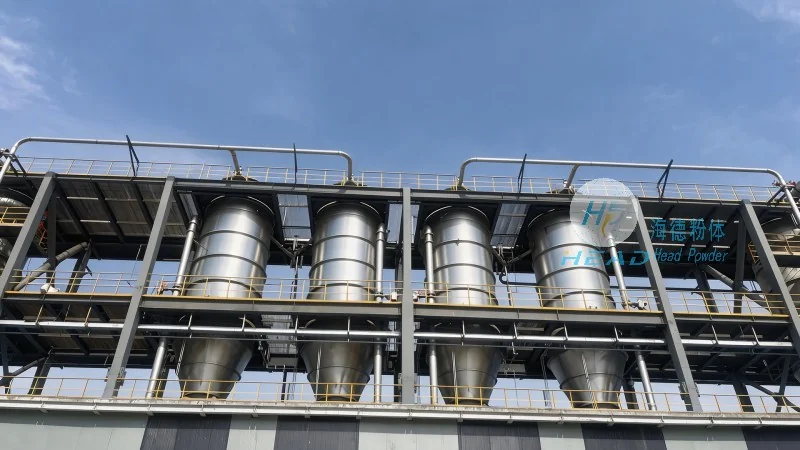
Technical Specifications and Customization Options
HeadPowder's dry sludge material pneumatic conveying machines are available in various configurations to meet the specific requirements of different applications. The systems can be customized in terms of pipeline length, diameter, and material flow rate, ensuring optimal performance for each client's needs. Technical specifications include the capacity of the hopper, the pressure and flow rate of the air system, and the material handling capabilities. For example, the machine can be designed to handle sludge with different moisture content and particle sizes, making it versatile for various types of waste. The company also offers options for different fan types, such as centrifugal or positive displacement blowers, depending on the required pressure and flow. Additionally, the system can be equipped with advanced control systems that monitor and adjust the operation in real-time, ensuring consistent performance and energy efficiency. These customization options allow clients to select a solution that is tailored to their specific operational conditions, maximizing the benefits of the pneumatic conveying technology.
Conclusion
The dry sludge material pneumatic conveying machine, manufactured by Shandong HeadPowder Engineering Co., Ltd., represents a significant advancement in sludge handling technology. By combining efficient pneumatic transport with robust engineering, the machine provides a reliable and sustainable solution for transporting dry sludge over long distances. The system's working principle, operation process, and key components ensure smooth and continuous operation, while its advantages and applications make it a valuable asset for waste management facilities. With its commitment to quality and innovation, HeadPowder continues to lead the industry in developing advanced material transport solutions that meet the evolving needs of the environmental sector.