

Operation Process and Working Principle of Diatomite Material Pneumatic Conveying Machine
HeadPowder, a leading manufacturer based in Shandong, China, specializes in the design and production of advanced pneumatic conveying systems. Our Diatomite Material Pneumatic Conveying Machine is engineered to efficiently handle diatomite, a lightweight and fine-grained material commonly used in various industrial applications. This equipment is designed to ensure reliable and efficient material transport, meeting the demanding requirements of modern processing facilities.
Key Features and Technical Specifications
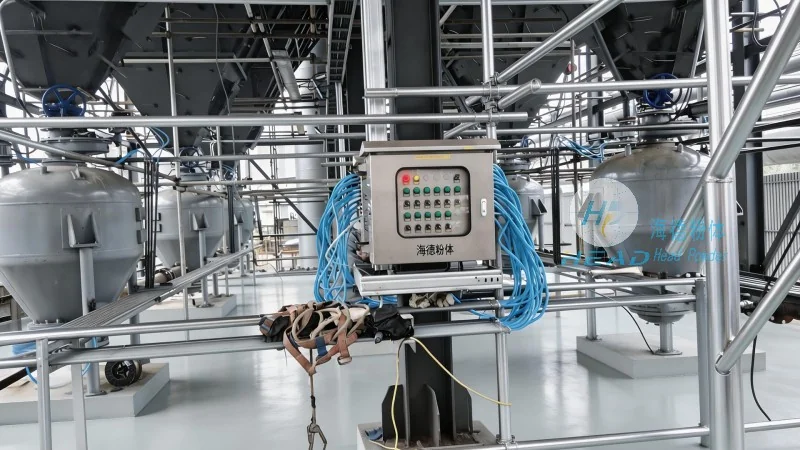
The Diatomite Material Pneumatic Conveying Machine from HeadPowder is equipped with several key features that enhance its performance and durability. The system utilizes a combination of positive pressure or negative pressure air flow to transport diatomite particles through a network of pipes. The machine is constructed with high-quality materials, including corrosion-resistant components, to withstand the abrasive nature of diatomite and ensure long-term operation. Additionally, the system incorporates advanced control mechanisms that allow for precise regulation of air pressure and flow rates, optimizing the conveying process and minimizing energy consumption.
Operation Process Overview
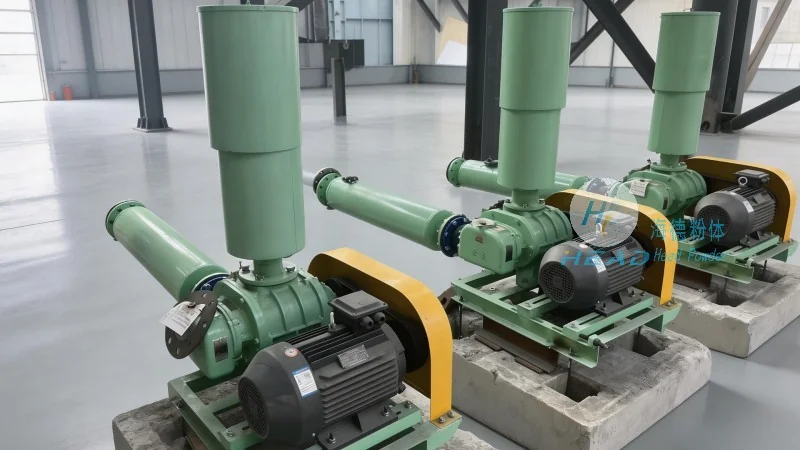
The operation of the Diatomite Material Pneumatic Conveying Machine involves several key steps. First, the diatomite material is fed into the hopper or feeding device. The material is then drawn into the conveying line by the air flow generated by the blower or compressor. The air flow carries the diatomite particles through the pipeline network to the discharge point. The system is designed to handle both bulk and fine diatomite particles, ensuring consistent and reliable transport. The operation is typically automated, with the control system monitoring and adjusting the air flow and pressure to maintain optimal conveying conditions.
Working Principle Explained
The working principle of the Diatomite Material Pneumatic Conveying Machine is based on the principles of pneumatic transport. The system uses a blower or compressor to generate a high-pressure air stream that propels the diatomite particles through the conveying pipes. The air flow creates a low-pressure zone in the conveying line, which draws the material from the feeding hopper into the pipeline. The material is then carried along with the air stream to the destination point. The system can operate in both positive pressure (where air is forced into the line) and negative pressure (where air is drawn out of the line) modes, depending on the specific application requirements. The design ensures that the diatomite particles are transported without significant degradation or loss, maintaining the quality of the material throughout the process.
Advantages and Applications
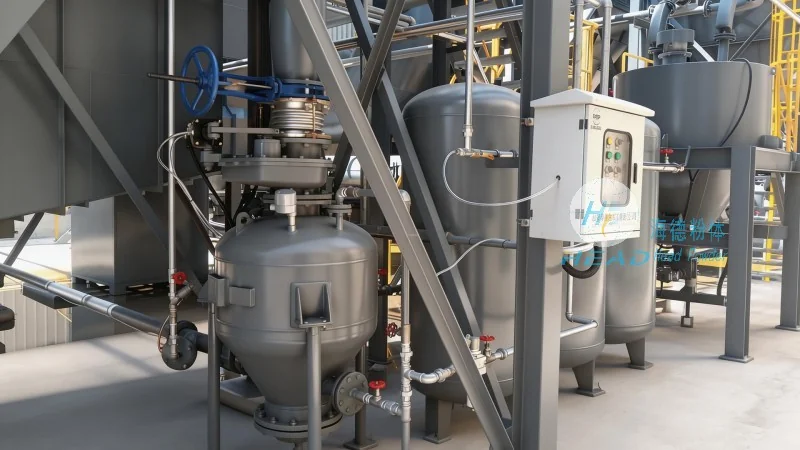
HeadPowder's Diatomite Material Pneumatic Conveying Machine offers several advantages over traditional conveying methods, such as belt conveyors or bucket elevators. The system is highly efficient, capable of transporting large volumes of diatomite over long distances with minimal energy consumption. It also provides a clean and dust-free operation, reducing the risk of material contamination and improving workplace safety. The machine is widely used in industries such as construction, agriculture, and chemical processing, where diatomite is used as a filter aid, abrasive, or filler material. The system's flexibility allows it to be integrated into existing production lines or used as a standalone conveying solution, making it a versatile choice for various industrial applications.