

Operation Process and Working Principle of Pharmaceutical Material Pneumatic Conveying Lines
Pharmaceutical material pneumatic conveying lines are critical components in modern pharmaceutical manufacturing, designed to transport powders and granules safely and efficiently. Understanding their operation process and working principles is essential for optimizing production workflows and ensuring compliance with industry standards. This article provides a detailed overview of how these systems function, focusing on key mechanisms and operational steps.
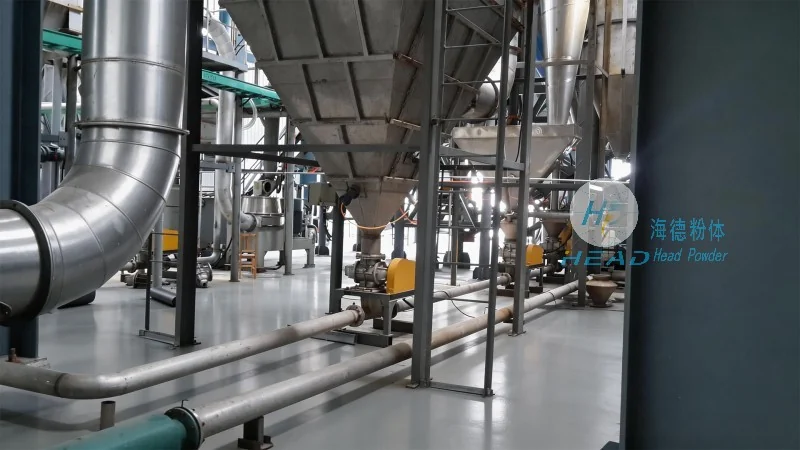
Overview of Pharmaceutical Material Pneumatic Conveying Systems
Pharmaceutical material pneumatic conveying lines utilize air or gas as the primary medium to transport bulk materials such as active pharmaceutical ingredients (APIs), excipients, and other powders. These systems are engineered to maintain strict contamination control, as pharmaceutical products require sterile and clean handling environments. The design of these lines incorporates features like dust filtration, pressure regulation, and material separation to ensure product integrity and safety.
Key Components and Their Roles
The operation of a pharmaceutical material pneumatic conveying line relies on several interconnected components, each playing a vital role in the overall process. The main components include the material hopper, air compressor or blower, conveying pipeline, control valves, and material separation or collection units. The material hopper stores the bulk pharmaceutical material and feeds it into the system under controlled conditions. The air compressor or blower generates the necessary airflow to move the material through the pipeline. Control valves regulate the flow of air and material, ensuring smooth and consistent operation. Finally, the material separation unit collects the conveyed material and returns excess air to the system or exhausts it, maintaining system efficiency.
Working Principle: The Conveying Process
The working principle of a pharmaceutical material pneumatic conveying line involves the use of differential pressure to move material through the pipeline. There are two primary modes of operation: pressure and vacuum systems. In pressure systems, the air compressor pressurizes the pipeline, forcing material from the hopper into the conveying line. In vacuum systems, a vacuum pump creates a negative pressure that draws material from the hopper into the pipeline. Both systems rely on the principle of fluidization, where the material is suspended in the air stream and transported to the destination. The speed and distance of material transport depend on factors such as material properties, airflow rate, and pipeline design.
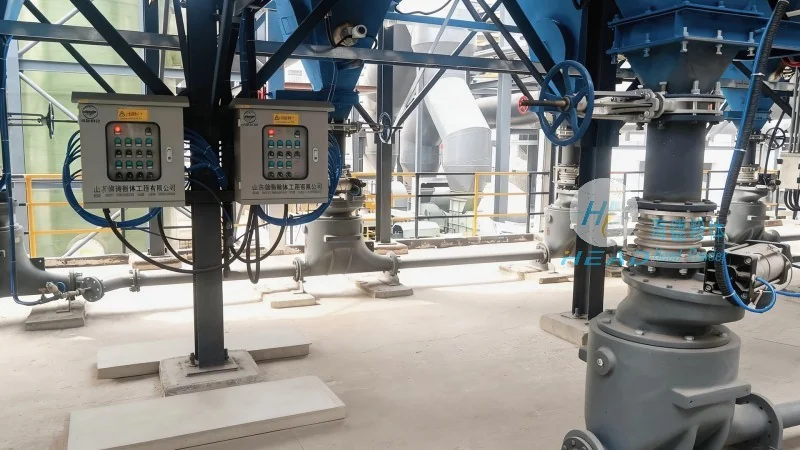
Operation Process: Step-by-Step Guide
The operation process of a pharmaceutical material pneumatic conveying line typically follows a sequence of steps to ensure efficient and safe material handling. First, the bulk pharmaceutical material is loaded into the material hopper. The system is then activated, and the air compressor or blower starts operating, generating the required airflow. The control valves are adjusted to maintain the optimal pressure or vacuum level. As the material is fed from the hopper, it is entrained by the air stream and conveyed through the pipeline to the destination, such as a mixing tank or storage silo. The material separation unit at the end of the line collects the conveyed material and returns any excess air to the system or exhausts it. This process is continuously monitored to ensure consistent performance and product quality.
Advantages of Pharmaceutical Material Pneumatic Conveying Lines
Pharmaceutical material pneumatic conveying lines offer several advantages over traditional mechanical conveying methods. These systems provide a closed-loop operation, minimizing dust exposure and contamination risks. They are also flexible and can handle a wide range of material types and particle sizes. Additionally, pneumatic conveying systems are compact and can be integrated into existing manufacturing facilities with minimal disruption. The ability to control airflow and material flow rates allows for precise dosing and mixing, enhancing product consistency. These advantages make pneumatic conveying lines a preferred choice for pharmaceutical manufacturers seeking to improve efficiency and maintain compliance with regulatory standards.
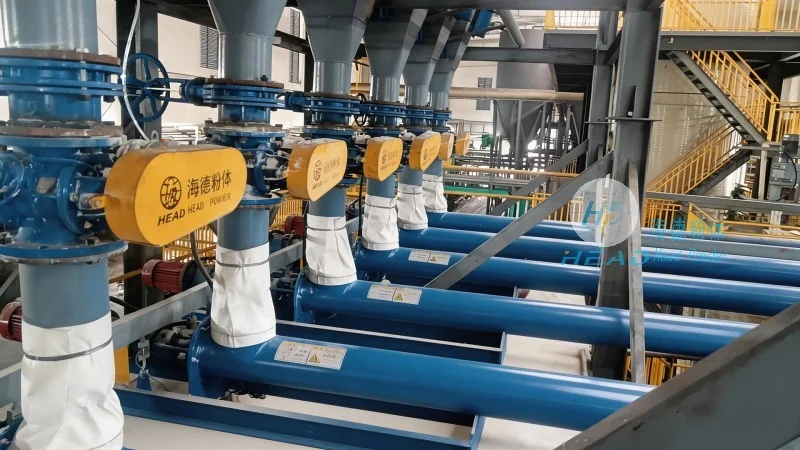
Applications in Pharmaceutical Manufacturing
Pharmaceutical material pneumatic conveying lines are widely used in various stages of pharmaceutical manufacturing. They are commonly employed in the transfer of raw materials from storage to processing areas, such as mixing and granulation units. The systems are also used to transport finished products from production lines to packaging areas. In addition, pneumatic conveying lines are utilized in quality control processes, where materials are transferred for testing and analysis. The versatility of these systems allows them to adapt to different production requirements, from small-scale batch processing to large-scale continuous manufacturing.
Maintenance and Best Practices
Proper maintenance is crucial to ensure the reliable operation of pharmaceutical material pneumatic conveying lines. Regular inspection and cleaning of components, such as the material hopper, pipeline, and separation unit, are essential to prevent material buildup and contamination. The air compressor or blower should be checked for proper performance and lubrication to maintain efficient airflow. Control valves and sensors should be calibrated regularly to ensure accurate pressure and flow control. Additionally, the system should be operated within the recommended parameters to avoid damage to components and ensure product quality. Following these best practices helps extend the lifespan of the equipment and maintain consistent performance.
About Shandong HeadPowder Engineering Co., Ltd.
Shandong HeadPowder Engineering Co., Ltd., commonly known as headpowder, is a leading manufacturer of pharmaceutical material handling equipment. With a focus on innovation and quality, the company provides comprehensive solutions for pharmaceutical material conveying and processing. Headpowder's expertise in pneumatic conveying systems ensures that their products meet the stringent requirements of the pharmaceutical industry, including compliance with GMP (Good Manufacturing Practice) standards. The company's commitment to customer satisfaction and technical support has made it a trusted partner for pharmaceutical manufacturers worldwide. Headpowder's facilities are located in Shandong, China, where they develop and produce advanced equipment tailored to the needs of the pharmaceutical sector.