

Operation Process and Working Principle of Pulp Material Pneumatic Conveying Lines
For industries dealing with pulp materials, efficient material handling is crucial for maintaining production efficiency and operational stability. Pneumatic conveying systems offer a reliable solution for transporting paper scraps, wood chips, and other fibrous materials. This article provides a detailed overview of the operation process and working principle of a pulp material pneumatic conveying line, highlighting the key components and the step-by-step workflow involved.
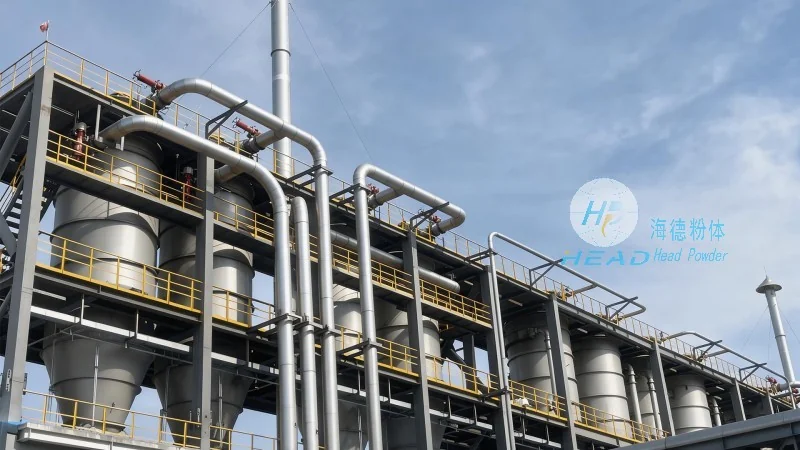
Introduction to Pneumatic Conveying Systems for Pulp Materials
Pneumatic conveying systems utilize air or gas as the medium to transport solid materials like paper scraps, wood chips, and other fibrous materials. These systems are widely adopted in the paper and pulp industry due to their ability to handle abrasive and lightweight materials with minimal wear and tear on equipment. The system typically consists of a series of components, including a material feeder, a conveying pipeline, a separation unit, and a dust collection system. Each component plays a vital role in ensuring the smooth and efficient movement of pulp materials from the source to the destination.
Key Components of a Pulp Material Pneumatic Conveying Line
The operation of a pneumatic conveying line for pulp materials relies on several critical components that work in tandem to achieve effective material transport. The primary components include:
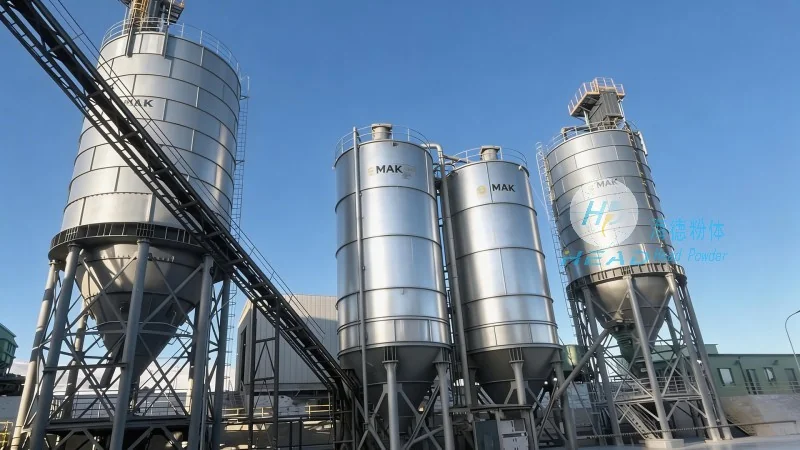
- Material Feeder: This component is responsible for feeding the pulp material into the conveying system. For paper scraps, a rotary valve or a screw feeder is commonly used to ensure a consistent and controlled flow of material into the pipeline.
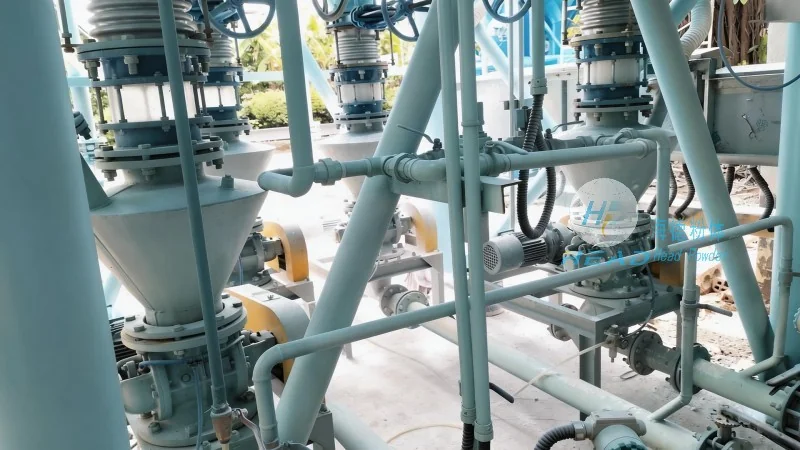
- Conveying Pipeline: The pipeline is the main channel through which the material is transported. It is usually made of stainless steel or other corrosion-resistant materials to withstand the abrasive nature of pulp materials. The pipeline may include bends, expansions, and contractions to navigate the material from the feeder to the separation unit.
- Air Supply System: Compressors or blowers generate the necessary air pressure to move the material through the pipeline. The air supply system is designed to provide a stable and sufficient airflow to ensure the material is carried efficiently without causing excessive pressure drops or material degradation.
- Separation Unit: The separation unit, often a cyclone or a bag filter, separates the conveyed material from the air stream. This step is essential to recover the pulp material and prevent dust emissions, ensuring compliance with environmental regulations.
- Dust Collection System: In addition to the separation unit, a dust collection system may be employed to capture any fine particles that escape during the conveying process. This system helps maintain a clean and safe working environment and prevents material loss.
The Step-by-Step Operation Process of the Pneumatic Conveying Line
The operation of a pulp material pneumatic conveying line follows a systematic sequence of steps, each designed to ensure the efficient and safe transport of the material. The process typically begins with the feeding of the pulp material into the system:
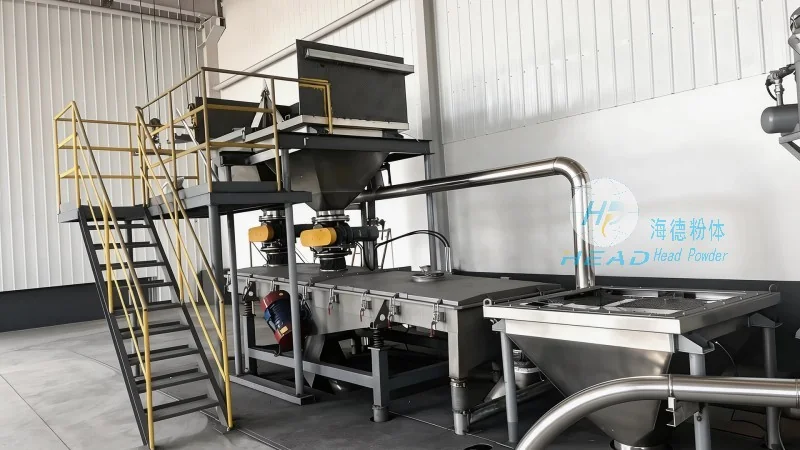
- Material Feeding: The paper scraps are fed into the material feeder at a controlled rate. The feeder ensures a consistent flow of material, preventing overloading or underloading of the conveying system.
- Air Intake and Compression: The air supply system draws in ambient air and compresses it to the required pressure. The compressed air is then introduced into the conveying pipeline, creating a flow that will carry the material.
- Material Transport: As the compressed air flows through the pipeline, it entrains the pulp material, forming a mixture of air and material. The mixture moves through the pipeline, navigating bends and changes in direction, and is directed towards the separation unit.
- Material Separation: Upon reaching the separation unit, the high-speed air stream is directed into a cyclone or other separation device. The centrifugal force causes the heavier pulp material to separate from the air and fall into a collection bin.
- Air Filtration and Exhaust: The air, now relatively clean, passes through a filter or baghouse to remove any remaining fine particles. The filtered air is then released into the environment, while the separated material is collected for further processing or reuse.
Working Principle of Pneumatic Conveying for Pulp Materials
The working principle of a pneumatic conveying line for pulp materials is based on the principle of fluidization and suspension. The compressed air creates a flow that suspends the pulp particles in the air stream, allowing them to be transported through the pipeline. The key factors influencing the efficiency of this process include the air velocity, the particle size and density of the pulp material, and the pipeline design. Proper design and maintenance of the system are essential to ensure optimal performance and minimize energy consumption.
Advantages of Using Pneumatic Conveying for Pulp Materials
Pneumatic conveying systems offer several advantages when handling pulp materials. These include:
- Continuous and Uninterrupted Transport: The system allows for continuous material transport without the need for manual intervention, improving production efficiency.
- Low Maintenance and Long Lifespan: With fewer moving parts compared to mechanical conveyors, pneumatic systems require less maintenance and have a longer operational lifespan.
- Reduced Material Damage: The gentle handling of pulp materials by the air stream minimizes damage to the material, preserving its quality and reducing waste.
- Space Efficiency: Pneumatic conveying systems can be installed in tight spaces, making them suitable for facilities with limited floor area.
- Environmental Compliance: The separation and filtration systems ensure that the material is handled in an environmentally friendly manner, meeting regulatory requirements.
Conclusion
Pneumatic conveying lines are an effective and efficient solution for transporting pulp materials in various industrial applications. By understanding the operation process and working principle of these systems, industries can optimize their material handling processes, improve productivity, and ensure compliance with environmental standards. The reliable performance of pneumatic conveying systems makes them a preferred choice for handling paper scraps and other fibrous materials, contributing to the overall success of production operations.