

Operation Process and Working Principle of Sand and Gravel Material Pneumatic Conveying Lines
Pneumatic conveying lines are critical equipment in the construction and mining sectors for transporting bulk materials such as sand, gravel, and other granular substances. These systems leverage air pressure or vacuum to move materials through a network of pipes, offering a dust-free, efficient, and flexible alternative to traditional mechanical conveyors. The technology has advanced significantly over time, with modern systems engineered to handle diverse particle sizes and material properties while minimizing environmental impact.
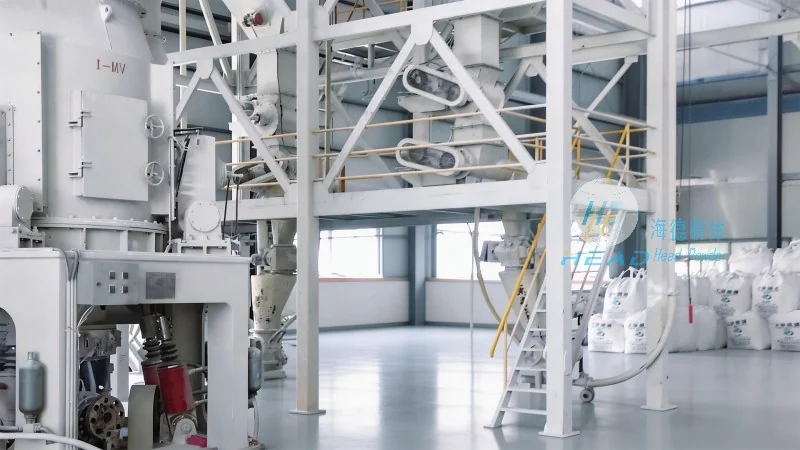
Company Profile: Shandong HeadPowder Engineering Co., Ltd.
Headpowder, a professional manufacturer of pneumatic conveying systems, is a leading enterprise based in Shandong, China. As a dedicated provider of high-quality material handling solutions, Headpowder specializes in designing, manufacturing, and installing pneumatic conveying lines tailored to the specific needs of sand and gravel processing facilities. With years of industry experience, the company has established a strong reputation for reliability, durability, and customer-centric service. The company’s headquarters is located in Shandong, China, where it operates a state-of-the-art production facility and technical support center.
Working Principle of Pneumatic Conveying Lines
The fundamental working principle of a pneumatic conveying line involves utilizing compressed air or a vacuum to create a flow that transports the material. In a typical system, the process starts with the material being fed into a hopper or feeder. From there, the material is introduced into a pipeline where it is mixed with air. The air, under pressure or suction, propels the material through the system. Key components of the system include the feeder (which controls the material flow rate), the pipeline (which transports the material), and the separator (which separates the material from the air at the end of the line). The separator may employ cyclonic action or other methods to separate the material from the air stream, allowing the material to be discharged and the air to be filtered or recirculated.
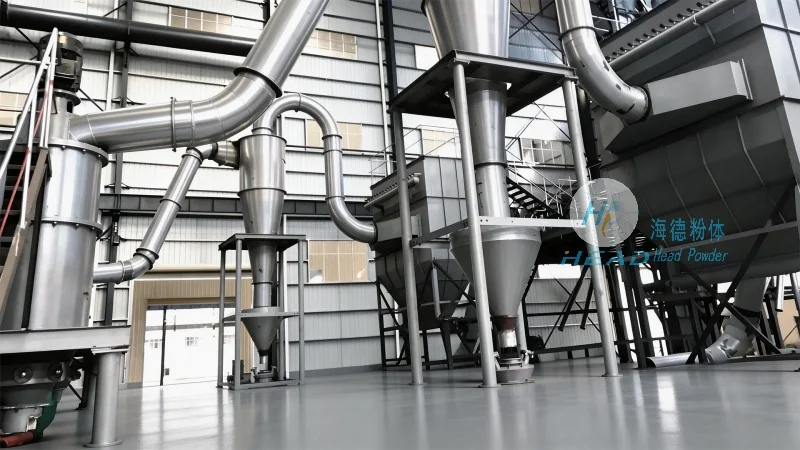
Operation Process of Sand and Gravel Material Pneumatic Conveying Lines
The operation of a sand and gravel pneumatic conveying line involves several critical steps to ensure safe and efficient material transport. First, the system is prepared for operation, which includes checking the air supply pressure, ensuring all valves are in the correct position, and verifying that the feeder is properly loaded with material. Next, the system is started by activating the air compressor or vacuum pump, which creates the necessary pressure or suction. The feeder then begins to discharge the material into the pipeline, where it is carried by the air flow. During operation, operators monitor key parameters such as air pressure, material flow rate, and system temperature to ensure optimal performance. Regular checks are performed to detect any blockages or leaks in the pipeline, which could affect conveying efficiency. The system is stopped by first shutting off the air supply and then allowing the material to be discharged from the pipeline. Finally, maintenance procedures are carried out, including cleaning the separator, checking for wear on components, and replacing any worn parts to maintain the system's longevity.
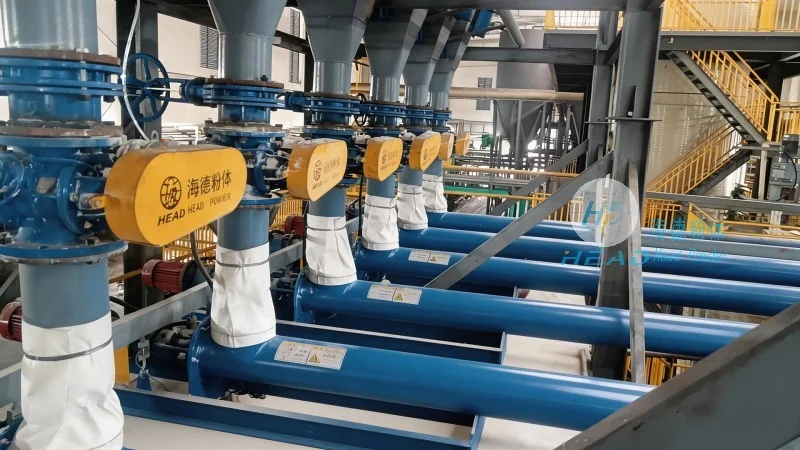
Key Features and Benefits of Pneumatic Conveying Systems
Pneumatic conveying systems for sand and gravel materials offer several advantages over traditional mechanical conveyors. These include the ability to transport materials over long distances without the need for multiple transfer points, reducing the risk of material spillage and contamination. The systems are also more flexible, as they can be easily reconfigured or expanded to accommodate changes in production requirements. Additionally, pneumatic conveying is a dust-free process, which helps to improve workplace safety and reduce environmental pollution. The systems are also relatively low maintenance, as they have fewer moving parts compared to mechanical conveyors, leading to lower operational costs over time.
Applications in the Sand and Gravel Industry
The applications of pneumatic conveying lines in the sand and gravel industry are diverse and vital to the efficient operation of processing plants. These systems are commonly used for transporting raw materials from storage silos to processing equipment, such as crushers and screens. They are also used to move finished products from the processing line to storage or shipping areas. In addition, pneumatic conveying systems are used in recycling facilities to transport recycled aggregates and other materials. The versatility of these systems makes them suitable for a wide range of industrial applications, from small-scale operations to large-scale mining and construction projects.