

Operation Process and Working Principle of Magnesium Powder Material Pneumatic Conveying Line
HeadPowder, a leading engineering company based in Shandong, China, specializes in the design, manufacturing, and installation of advanced pneumatic conveying systems for various industrial applications. This article provides a detailed overview of the operation process and working principle of a magnesium powder material pneumatic conveying line, highlighting the key components, operational steps, and technical advantages that make such systems efficient and reliable for handling magnesium powder.
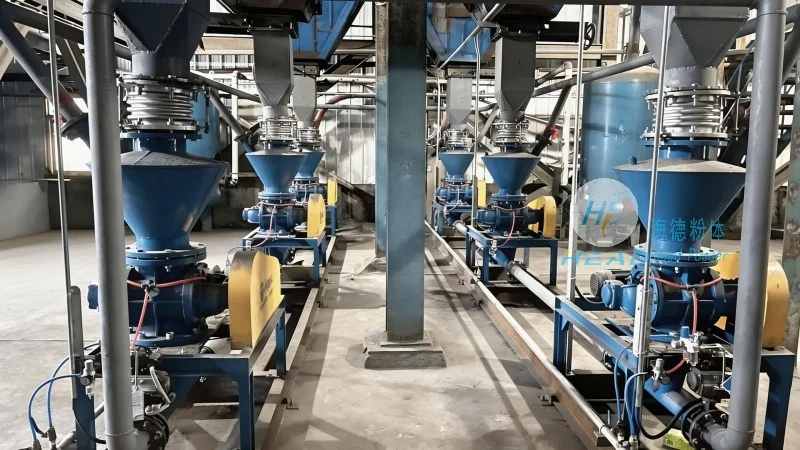
Introduction to Magnesium Powder Pneumatic Conveying
Before delving into the specifics of the operation process, it is essential to understand the significance of pneumatic conveying systems in the handling of magnesium powder. Magnesium powder is a lightweight, reactive material commonly used in aerospace, automotive, and chemical industries. Traditional handling methods, such as bucket elevators or belt conveyors, may pose challenges due to the material's dustiness and potential for caking. Pneumatic conveying offers a solution by transporting the powder through a closed system using air pressure, ensuring safe, efficient, and dust-free transfer. HeadPowder's expertise in engineering custom solutions ensures that these systems are tailored to meet the unique requirements of each client, whether for bulk material transport or precise dosing applications.
Key Components of a Magnesium Powder Pneumatic Conveying Line
A typical magnesium powder pneumatic conveying line consists of several critical components that work in tandem to ensure smooth operation. These components include the hopper, feeder, air compressor, conveying pipeline, filter, and receiver. The hopper serves as the storage vessel, holding the magnesium powder in a controlled environment to prevent contamination and maintain consistent flow. The feeder, often a rotary valve or a screw feeder, regulates the material discharge rate, ensuring a steady supply to the conveying system. The air compressor generates the necessary pressure to move the powder through the pipeline, with the pressure level adjusted based on the distance and volume of material to be transported. The conveying pipeline is made of materials resistant to corrosion and abrasion, such as stainless steel or special coatings, to withstand the abrasive nature of magnesium powder. The filter system is crucial for capturing any fine particles that may escape, maintaining air quality and preventing environmental contamination. Finally, the receiver collects the delivered magnesium powder, ready for subsequent processing or storage.
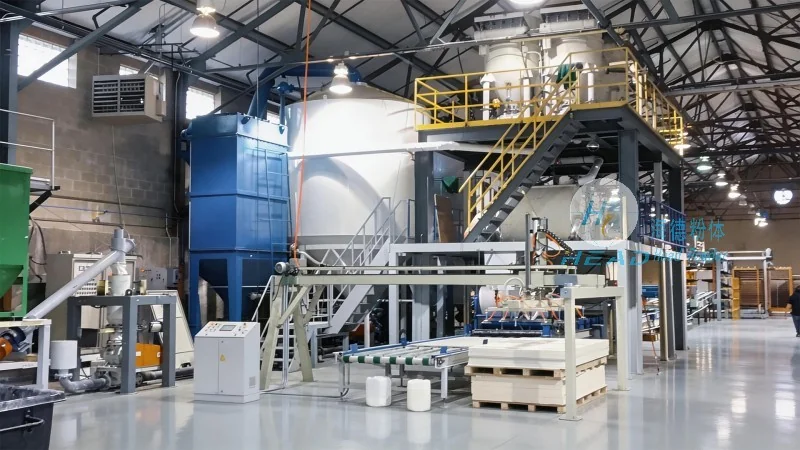
Operation Process of the Magnesium Powder Pneumatic Conveying Line
The operation of a magnesium powder pneumatic conveying line involves a series of sequential steps that ensure efficient material transfer. The process begins with the loading of magnesium powder into the hopper. The feeder then starts, controlling the flow rate based on the desired output. Simultaneously, the air compressor activates, generating the required air pressure. The compressed air is introduced into the conveying pipeline, creating a flow that entrains the magnesium powder particles. As the air and powder mixture travels through the pipeline, it reaches the receiver, where the powder is separated from the air. The air is then filtered and recycled back to the compressor, while the magnesium powder is collected in the receiver. This continuous cycle allows for uninterrupted material transport, minimizing downtime and maximizing productivity. HeadPowder's systems are designed with automated controls that monitor pressure, flow rate, and material levels, ensuring optimal performance and reducing the need for manual intervention.
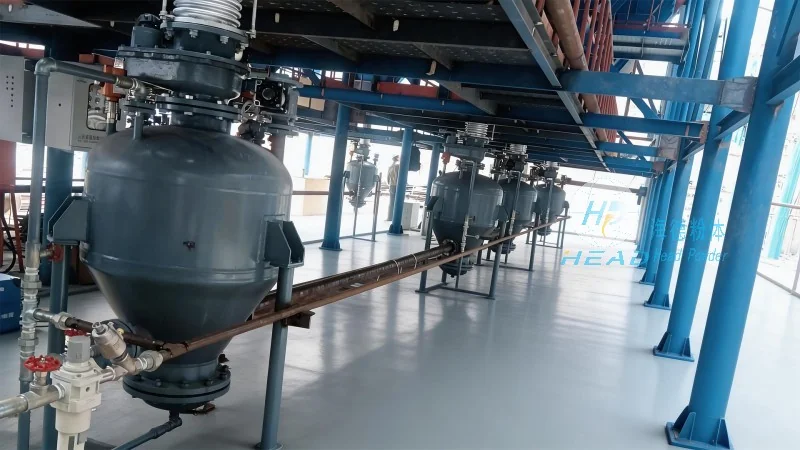
Working Principle of Pneumatic Conveying for Magnesium Powder
The working principle of a pneumatic conveying system for magnesium powder is based on the principle of fluidization and particle suspension. When compressed air is introduced into the conveying pipeline, it creates a low-pressure zone that draws the magnesium powder particles into the flow. The air velocity is maintained at a level sufficient to keep the powder suspended, preventing settling or blockages. The system can operate in either positive pressure or negative pressure modes. Positive pressure systems use the compressor to push the air and powder mixture through the pipeline, while negative pressure systems use a vacuum to pull the material from the hopper. For magnesium powder, positive pressure systems are more common due to their ability to handle longer distances and higher material volumes. The key to efficient operation is maintaining the correct air-to-material ratio, which balances the need for sufficient air to keep the powder suspended without wasting energy. HeadPowder's engineering team optimizes this ratio based on the specific characteristics of the magnesium powder, such as particle size, density, and moisture content, ensuring the system operates at peak efficiency.
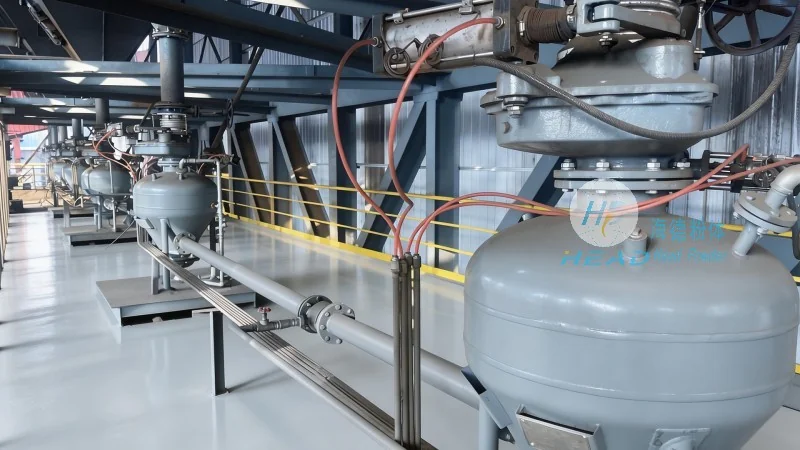
Technical Advantages of HeadPowder's Magnesium Powder Pneumatic Conveying Systems
HeadPowder's pneumatic conveying systems for magnesium powder offer several technical advantages that set them apart from traditional handling methods. One of the primary benefits is the ability to handle the material in a closed system, which eliminates dust emissions and protects the environment. This is particularly important for magnesium powder, which can be hazardous if inhaled. The closed system also prevents contamination from external sources, ensuring the powder remains pure and meets quality standards. Another advantage is the high efficiency in material transport, with minimal loss and no caking or segregation. The systems are designed for low maintenance, with components such as the feeder and compressor built to withstand the abrasive nature of magnesium powder, reducing downtime and maintenance costs. Additionally, HeadPowder's systems are scalable, allowing for customization to meet the specific needs of different applications, from small-scale laboratory use to large-scale industrial production. The company's commitment to using high-quality materials and advanced engineering ensures that their pneumatic conveying lines are durable, reliable, and provide long-term value to clients.
Conclusion and Application Scope
In conclusion, the operation process and working principle of a magnesium powder material pneumatic conveying line, as designed and manufactured by HeadPowder, represent a sophisticated solution for efficient and safe handling of this critical industrial material. By integrating advanced components and automated controls, these systems ensure consistent performance, minimal environmental impact, and high productivity. HeadPowder's expertise in engineering custom pneumatic conveying solutions makes them a trusted partner for industries relying on magnesium powder, providing reliable systems that meet the demands of modern manufacturing. Whether for bulk transport or precise dosing, the company's pneumatic conveying lines offer a superior alternative to traditional handling methods, contributing to improved operational efficiency and product quality.