

Operation Process and Working Principle of Dust-Free Material Feeding Pneumatic Conveying Line
HeadPowder, a leading provider in the field of material handling solutions, specializes in the design, manufacturing, and installation of advanced dust-free material feeding systems. This article delves into the operation process and working principle of a dust-free material feeding pneumatic conveying line, highlighting its key components, operational steps, and the technical advantages that make it an essential equipment for industries requiring high-purity and contamination-free material transfer.
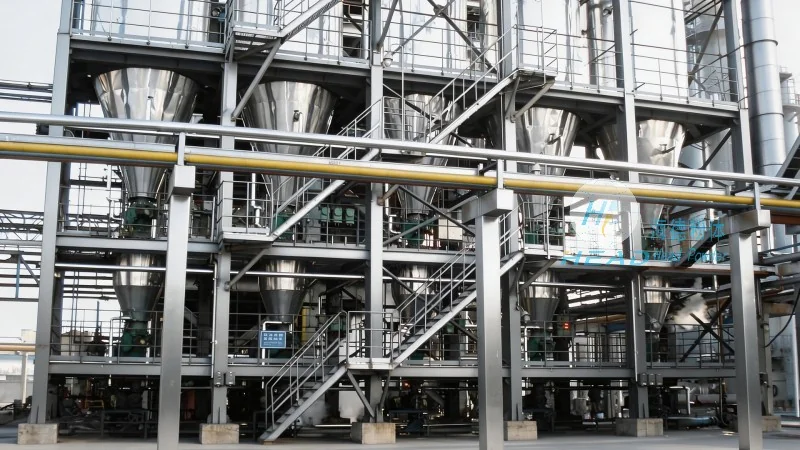
Introduction to Dust-Free Material Feeding Pneumatic Conveying Line
A dust-free material feeding pneumatic conveying line is a sophisticated system engineered to transport bulk materials from a storage silo or hopper to processing equipment, such as mixers, reactors, or packaging machines. The primary goal of this system is to maintain a clean and sterile environment, preventing contamination of the material during transfer. This is particularly critical in industries like pharmaceuticals, food processing, and chemical manufacturing, where product purity and regulatory compliance are paramount.
Key Components of the Pneumatic Conveying System
The dust-free material feeding pneumatic conveying line consists of several critical components that work in tandem to ensure efficient and reliable material transfer. These components include:
1. Material Hopper or Silo: This is the storage vessel where raw materials are kept before being fed into the conveying system. The hopper is designed with a smooth interior surface to minimize material buildup and ensure consistent flow.
2. Feeder Unit: The feeder is responsible for controlling the flow rate of the material from the hopper. It can be a rotary valve, a screw feeder, or a vibratory feeder, depending on the material characteristics and required flow rate. The feeder ensures a steady and controlled discharge of material into the conveying line.
3. Pneumatic Conveying Pipe: The main body of the system, the conveying pipe is typically made of stainless steel or other corrosion-resistant materials to maintain the integrity of the material and prevent contamination. The pipe is equipped with appropriate fittings, elbows, and tees to direct the material flow along the desired path.
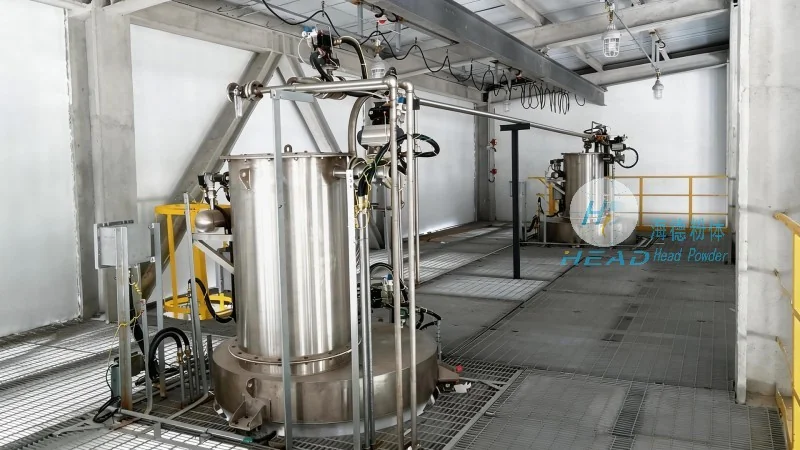
4. Blower or Air Compressor: This component generates the necessary air pressure to move the material through the pipe. The blower is designed to handle the specific air volume and pressure required for the material being conveyed, ensuring efficient and low-energy operation.
5. Filter and Dust Collection System: To maintain a dust-free environment, the system incorporates a filter and dust collection unit. This unit captures any fine particles or dust that may be generated during the conveying process, ensuring that the air released back into the environment is clean and free from contaminants.
6. Control Panel: The control panel allows operators to monitor and adjust the system parameters, such as flow rate, air pressure, and material level. It provides real-time feedback and enables automated operation, enhancing the system's efficiency and reliability.
Operation Process of the Dust-Free Material Feeding Pneumatic Conveying Line
The operation of the dust-free material feeding pneumatic conveying line follows a systematic sequence of steps, ensuring smooth and continuous material transfer. The process begins with the material being stored in the hopper. When the processing equipment requires material, the feeder unit starts to discharge the material into the conveying pipe. Simultaneously, the blower generates the required air pressure, which propels the material through the pipe as a slurry or suspension.
As the material travels through the pipe, it is carried by the air stream, which is directed by the pipe fittings and elbows to reach the processing equipment. The filter and dust collection system continuously removes any fine particles from the air, preventing them from being released into the environment. The control panel monitors the system's performance, adjusting the air pressure and flow rate as needed to maintain optimal operation.
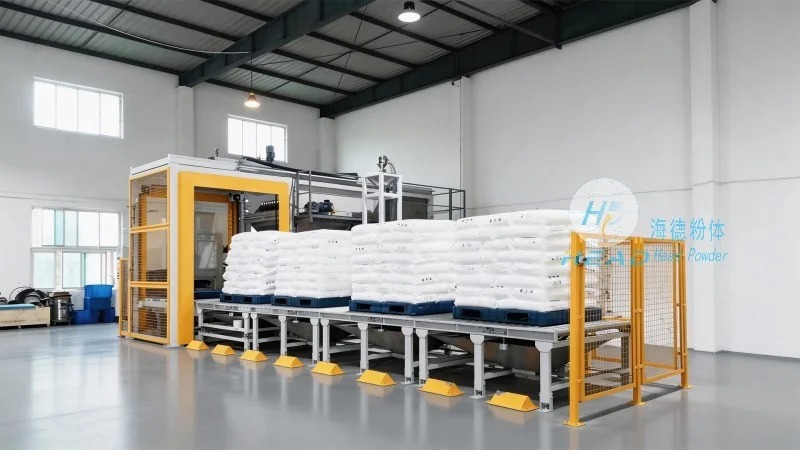
The material is then discharged from the conveying line into the processing equipment, where it is used for further processing. The system can be designed to handle various material types, including powders, granules, and fine particles, with the ability to adjust the conveying parameters to suit different material characteristics.
Working Principle of the Pneumatic Conveying System
The working principle of the dust-free material feeding pneumatic conveying line is based on the principle of pneumatic transport, where material is conveyed using a stream of air. The system operates by creating a pressure differential between the hopper and the processing equipment. The blower generates a high-pressure air stream that moves through the conveying pipe, carrying the material particles along with it.
There are two main types of pneumatic conveying systems: pressure and vacuum. In a pressure system, the blower is located at the discharge end of the pipe, creating positive pressure that pushes the material forward. In a vacuum system, the blower is located at the intake end, creating negative pressure that pulls the material into the pipe. The dust-free material feeding system typically uses a pressure system, as it is more efficient for conveying materials over longer distances and at higher flow rates.
The material is suspended in the air stream as it travels through the pipe. The velocity of the air stream is carefully controlled to ensure that the material particles are fully entrained and do not settle out of the stream. The pipe diameter and length are designed to optimize the air velocity and pressure, minimizing energy consumption and maximizing conveying efficiency.
Technical Advantages of the Dust-Free Material Feeding Pneumatic Conveying Line
The dust-free material feeding pneumatic conveying line offers several technical advantages that make it an ideal solution for industries requiring high-purity material transfer. These advantages include:
1. Contamination-Free Transfer: The system is designed to maintain a sterile environment, preventing contamination of the material during transfer. The use of stainless steel components and a filter system ensures that the material remains clean and free from dust or other particles.
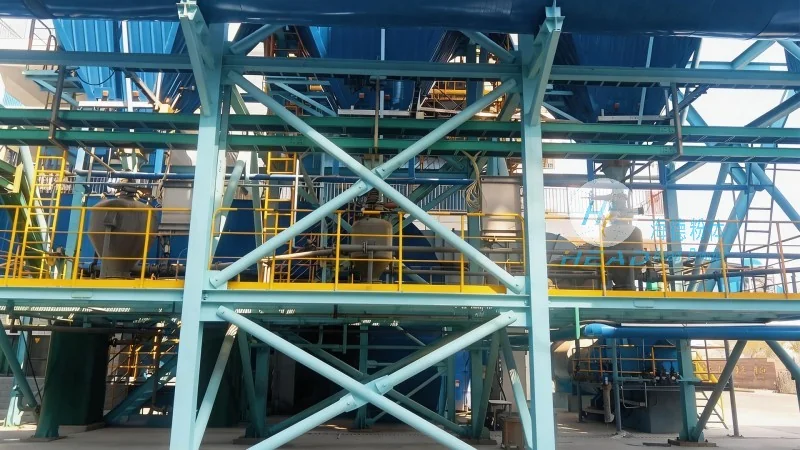
2. Efficient Material Handling: The system can handle a wide range of material types and flow rates, making it suitable for various industrial applications. The adjustable flow rate and pressure control allow for precise material transfer, reducing waste and improving process efficiency.
3. Low Energy Consumption: The pressure system is designed to be energy-efficient, with the blower operating at optimal pressure and air volume. This reduces operational costs and minimizes the environmental impact of the system.
4. Space-Saving Design: The pneumatic conveying line is a compact system that can be installed in limited space, making it suitable for facilities with restricted floor space. The flexible pipe design allows for easy installation and adjustment.
5. Easy Maintenance: The system components are designed for easy maintenance and replacement. The filter and dust collection system can be easily cleaned or replaced, ensuring continuous operation with minimal downtime.
Conclusion
The dust-free material feeding pneumatic conveying line is a highly efficient and reliable system for transferring bulk materials in industries requiring high-purity and contamination-free processes. With its advanced components and systematic operation process, it offers significant advantages over traditional material handling methods. HeadPowder, as a leading manufacturer in this field, provides customized solutions tailored to the specific needs of each client, ensuring optimal performance and compliance with industry standards.