

Operation Process and Working Principle of Gypsum Ash Material Pneumatic Conveying Line
HeadPowder, a leading provider in the field of material handling solutions, specializes in the design, manufacturing, and installation of pneumatic conveying systems. This article focuses on the operation process and working principle of a gypsum ash material pneumatic conveying line, highlighting the technical aspects and operational efficiency of such systems.
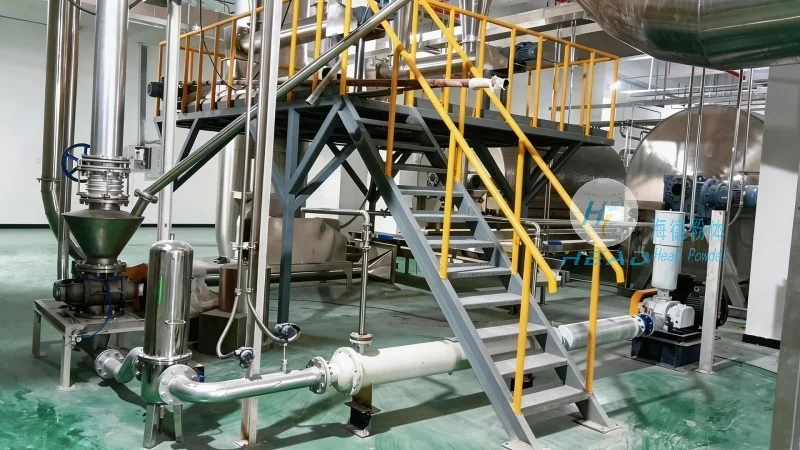
Company Profile and Expertise
Shandong HeadPowder Engineering Co., Ltd., commonly known as HeadPowder, is headquartered in Shandong, China. With years of experience in the engineering and industrial sectors, the company has built a strong reputation for delivering high-quality pneumatic conveying systems tailored to various industrial applications. HeadPowder's team of experts combines technical knowledge with practical experience to ensure that each system meets the specific requirements of clients, whether in the construction, power, or chemical industries.
Understanding Pneumatic Conveying Systems
Pneumatic conveying, also known as pneumatic transport, is a method of transporting bulk materials through a pipeline using air or gas as the conveying medium. This technology is widely used in industries dealing with powders and granules, such as gypsum ash, due to its efficiency and ability to handle materials over long distances without the need for mechanical components like belts or buckets. The core components of a pneumatic conveying system include a material hopper, a feeder, a conveying line, a dust collector, and a control system.
Key Components of the Gypsum Ash Pneumatic Conveying Line
The gypsum ash material pneumatic conveying line is designed to handle the specific characteristics of gypsum ash, which can be abrasive and have varying particle sizes. The system incorporates several critical components to ensure smooth and efficient operation:
1. Material Hopper: The hopper serves as the storage container for the gypsum ash, providing a consistent feed to the system. It is equipped with a level indicator to monitor the material level and a discharge valve to control the flow rate.
2. Feeder: The feeder, typically a rotary valve or a screw feeder, regulates the flow of gypsum ash from the hopper into the conveying line. This component ensures a steady and controlled feed, preventing blockages and maintaining the system's efficiency.
3. Conveying Line: The pipeline, usually made of stainless steel or other corrosion-resistant materials, transports the gypsum ash through the system. The line is designed with appropriate bends and fittings to accommodate the material's flow characteristics and minimize pressure drop.
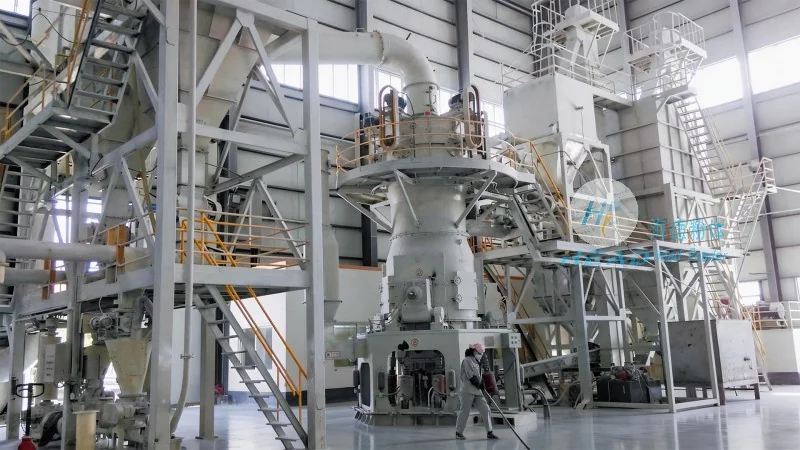
4. Dust Collector: To maintain a clean and safe working environment, the system includes a dust collector that captures any airborne particles during the conveying process. This component helps in compliance with environmental regulations and improves overall system performance.
5. Control System: The control system monitors and regulates the operation of all components, ensuring that the conveying process runs smoothly and efficiently. It includes sensors for pressure, flow, and level, as well as a control panel for manual adjustments.
Operation Process of the Gypsum Ash Pneumatic Conveying Line
The operation of the gypsum ash pneumatic conveying line involves several sequential steps, each crucial for the successful transport of the material:
1. Material Loading: Gypsum ash is loaded into the material hopper from a storage silo or truck. The hopper is filled to a level that allows for consistent feeding.
2. Feeding Initiation: The rotary valve or screw feeder is activated, allowing gypsum ash to flow from the hopper into the conveying line. The flow rate is controlled based on the system's capacity and the destination of the material.
3. Air Compression: A blower or compressor generates the necessary air pressure to move the gypsum ash through the pipeline. The air is introduced at the inlet of the conveying line, creating a flow that carries the material.
4. Conveying: The gypsum ash particles are suspended in the air stream and transported through the pipeline to the destination point, such as a storage silo or processing unit.
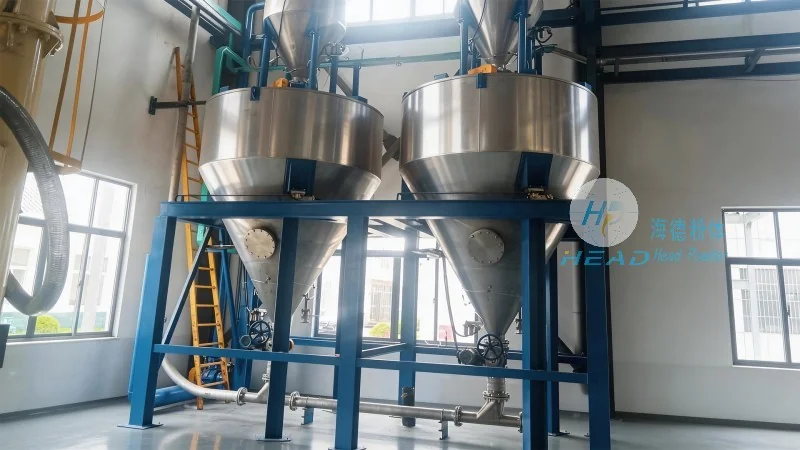
5. Discharge: At the receiving end, the material is discharged from the conveying line into the target container. The control system ensures that the discharge is smooth and controlled, preventing any spillage or blockage.
6. Dust Collection: Throughout the process, the dust collector captures any particles that escape the conveying line, ensuring that the air is clean and the working environment is safe.
Working Principle of the Gypsum Ash Pneumatic Conveying Line
The working principle of the gypsum ash pneumatic conveying line is based on the principles of fluid dynamics and particle transport. The system operates by creating a pressure differential between the inlet and outlet of the conveying line, which drives the movement of the material:
1. Pressure Generation: The blower or compressor creates a high-pressure air stream at the inlet of the conveying line. This pressure is sufficient to overcome the resistance of the material and the pipeline, allowing the material to be suspended and transported.
2. Particle Suspension: The air velocity in the pipeline is maintained at a level that keeps the gypsum ash particles suspended in the air stream. This is critical to prevent the material from settling and causing blockages.
3. Flow Control: The control system continuously monitors the pressure and flow rates, adjusting the air supply as needed to maintain optimal conveying conditions. This ensures that the system operates efficiently and safely.
4. Energy Efficiency: The design of the conveying line, including the use of appropriate pipe diameters and bends, minimizes energy consumption while maximizing the conveying capacity. This makes the system cost-effective and environmentally friendly.
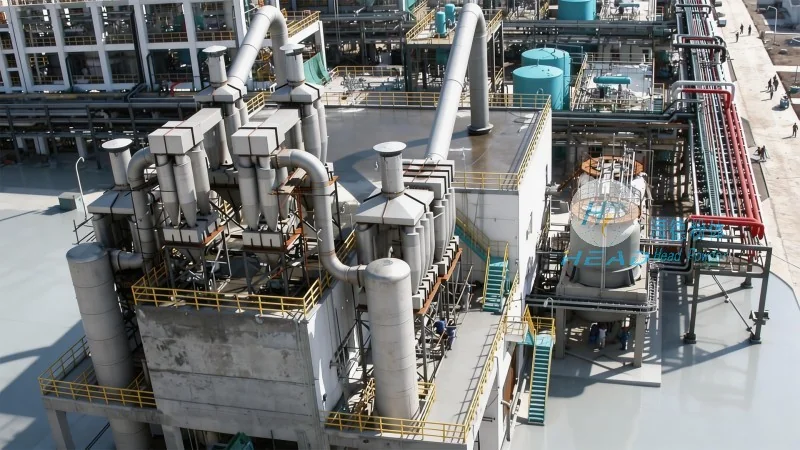
Advantages of the Gypsum Ash Pneumatic Conveying Line
The gypsum ash material pneumatic conveying line offers several advantages over traditional mechanical conveying systems, making it a preferred choice for many industries:
1. Efficiency and Speed: The system can transport gypsum ash over long distances quickly and efficiently, reducing the time and labor required for material handling.
2. Low Maintenance: With fewer moving parts compared to mechanical systems, the pneumatic conveying line requires less maintenance, resulting in lower operational costs.
3. Clean and Safe Operation: The enclosed pipeline and dust collector ensure that the material is handled in a clean and safe manner, minimizing the risk of dust exposure and environmental contamination.
4. Flexibility: The system can be easily modified or expanded to accommodate changes in production requirements or material handling needs.
Conclusion
HeadPowder's gypsum ash material pneumatic conveying line is a reliable and efficient solution for transporting bulk materials in various industrial applications. By understanding the operation process and working principle of such systems, industries can optimize their material handling processes, improve productivity, and ensure compliance with environmental regulations. With its expertise and commitment to quality, Shandong HeadPowder Engineering Co., Ltd. continues to provide innovative solutions that meet the evolving needs of the industry.