

Operation Process and Working Principle of Paddy Husk Ash Material Pneumatic Conveying Line
HeadPowder, a leading engineering company based in Shandong, China, specializes in the design and implementation of advanced pneumatic conveying systems for various industrial applications. One of their key offerings is the paddy husk ash material pneumatic conveying line, which efficiently handles the transportation of this specific material from source to destination. This article delves into the detailed operation process and working principles of such a system, highlighting its efficiency and reliability in industrial settings.
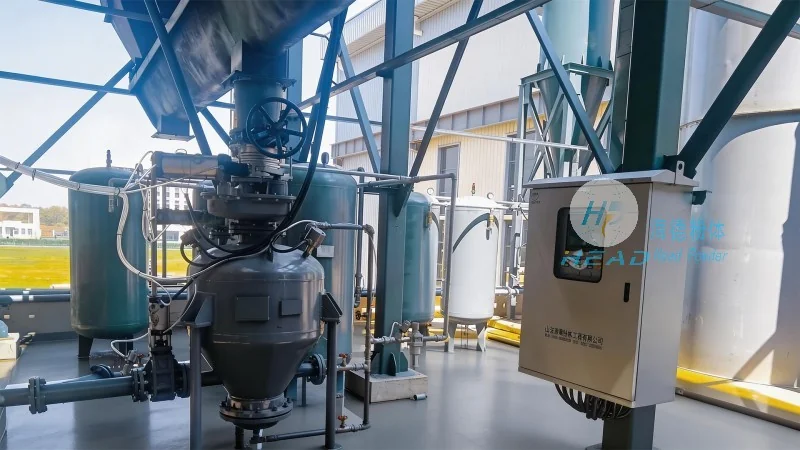
Pneumatic Conveying System Overview
The paddy husk ash material pneumatic conveying line is a sophisticated system designed to transport bulk materials like paddy husk ash through an enclosed pipeline using air or gas as the conveying medium. Unlike traditional mechanical conveying methods, this system eliminates the need for moving parts in the conveying path, reducing maintenance requirements and enhancing safety. The system typically consists of several key components, including a material hopper, a rotary valve, a conveying pipeline, a dust collector, and a control system. Each component plays a crucial role in ensuring the smooth and efficient operation of the entire line.
Key Components and Their Functions
1. **Material Hopper**: The hopper is the initial storage unit where paddy husk ash is collected before being fed into the conveying system. It is equipped with a feeding mechanism, such as a screw feeder or a rotary valve, which controls the flow rate of the material into the pipeline. The hopper also features a level indicator to monitor the material level, ensuring consistent feeding without overloading or underfeeding.
2. **Rotary Valve (Airlock)**: The rotary valve acts as a gate between the hopper and the conveying pipeline, preventing backflow of material and controlling the discharge rate. It is designed to handle abrasive materials like paddy husk ash, with durable materials of construction to withstand wear and tear. The valve rotates to allow material to pass through while sealing the hopper to maintain pressure within the system.
3. **Conveying Pipeline**: The pipeline is the main pathway for transporting the material. It is usually made of stainless steel or other corrosion-resistant materials to handle the abrasive nature of paddy husk ash. The pipeline is equipped with bends and elbows to change the direction of flow, and these are designed with smooth transitions to minimize pressure losses and prevent material blockages.
4. **Dust Collector**: To maintain air quality and protect the environment, a dust collector is integrated into the system. It captures any airborne particles released during the conveying process and filters them before releasing clean air back into the environment. The dust collector is essential for compliance with environmental regulations and for ensuring the safety of personnel working in the vicinity of the system.
5. **Control System**: The control system manages all aspects of the conveying process, including material feeding, air pressure, and system monitoring. It uses sensors and controls to adjust the flow rate, pressure, and other parameters in real-time, ensuring optimal performance and preventing system failures. The control system is typically user-friendly, allowing operators to monitor and adjust the system settings as needed.
Operation Process of the Pneumatic Conveying Line
The operation of the paddy husk ash material pneumatic conveying line follows a systematic process that ensures efficient material transport. The process begins with the loading of paddy husk ash into the material hopper. The hopper level indicator alerts the operator when the hopper is full or needs refilling. Once the hopper is filled, the rotary valve opens, allowing the material to flow into the conveying pipeline.
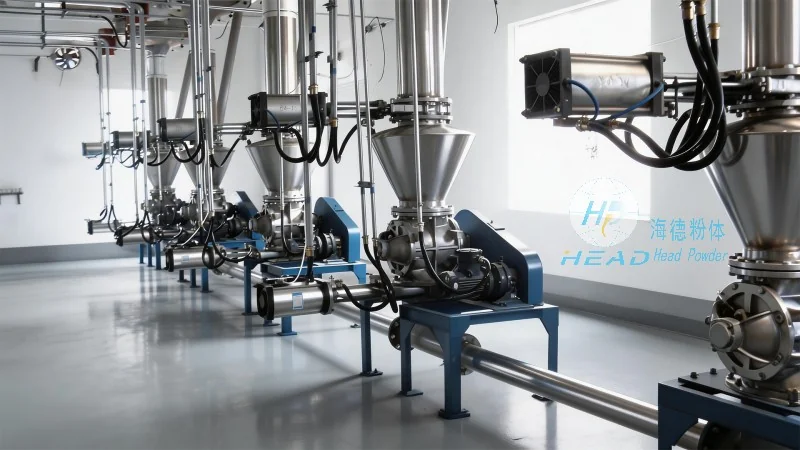
Simultaneously, the control system activates the air compressor, which generates the necessary air pressure to move the material through the pipeline. The air is introduced into the pipeline at a specific pressure and flow rate, creating a flow that propels the material forward. As the material travels through the pipeline, it is mixed with the air, forming a slurry-like mixture that is transported to the destination point.
At the receiving end, the material is discharged into a receiving hopper or storage silo. The rotary valve at the discharge end controls the flow rate of the material, ensuring it is discharged smoothly without causing blockages or spills. The control system monitors the pressure and flow rates at both the inlet and outlet to maintain system stability and prevent overpressure or underpressure conditions.
Throughout the operation, the dust collector continuously captures any airborne particles, ensuring that the air released from the system is clean and free from dust. The control system also monitors the pressure and flow rates in the pipeline, providing real-time feedback to the operator. If any issues are detected, such as a blockage or pressure drop, the system automatically shuts down or alerts the operator to take corrective action.
Working Principle of the Pneumatic Conveying System
The working principle of the paddy husk ash material pneumatic conveying line is based on the fundamental principle of fluid dynamics, specifically the use of air as a conveying medium. The system operates by creating a pressure differential between the inlet and outlet of the pipeline, which drives the material forward. The air pressure is generated by a compressor, which supplies the necessary energy to move the material through the pipeline.
The material is introduced into the pipeline at a controlled rate, typically by the rotary valve, which ensures a consistent flow rate. The air is introduced at the same time, creating a mixture of material and air that is transported through the pipeline. The velocity of the air is maintained at a level that is sufficient to keep the material suspended and moving forward without causing excessive wear on the pipeline or components.
The pressure drop along the pipeline is a critical factor in the system's performance. The system is designed to minimize pressure losses by using smooth pipeline designs and appropriate bends and elbows. The pressure drop is monitored by the control system, which adjusts the air pressure and flow rate as needed to maintain optimal conveying conditions. If the pressure drop increases, indicating a blockage or increase in material flow, the system automatically adjusts to prevent system failure.
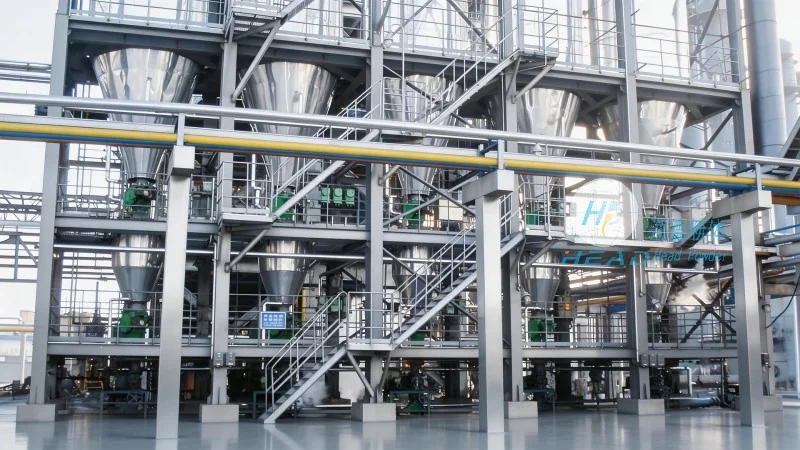
The dust collector plays a crucial role in maintaining the air quality and ensuring the system operates within environmental regulations. It captures any airborne particles released during the conveying process and filters them before releasing clean air back into the environment. The dust collector is typically equipped with a filter system that can be cleaned or replaced as needed to maintain its efficiency.
Advantages of the Paddy Husk Ash Material Pneumatic Conveying Line
The paddy husk ash material pneumatic conveying line offers several advantages over traditional mechanical conveying methods. One of the primary advantages is the elimination of moving parts in the conveying path, which reduces maintenance requirements and enhances safety. The system is also more flexible, as it can be easily reconfigured to handle different material types or flow rates.
Another advantage is the ability to transport materials over long distances without the need for intermediate storage or transfer points. This reduces the overall system complexity and cost, as well as minimizing the risk of material contamination. The system is also more energy-efficient compared to mechanical conveying methods, as it uses air as the conveying medium, which is more efficient in moving bulk materials.
The system is also designed to handle abrasive materials like paddy husk ash, which can cause wear and tear on mechanical components. The use of corrosion-resistant materials and durable components ensures the system's longevity and reduces the need for frequent replacements. Additionally, the system is equipped with a control system that allows for real-time monitoring and adjustment, ensuring optimal performance and preventing system failures.
Applications and Industries
The paddy husk ash material pneumatic conveying line is widely used in various industries that handle bulk materials, including the agricultural, food processing, and construction industries. In the agricultural industry, it is used to transport paddy husk ash from storage facilities to processing plants or power generation facilities. In the food processing industry, it is used to transport ash from biomass combustion systems to storage or disposal sites. In the construction industry, it is used to transport ash from power plants to construction sites for use as a raw material in cement production.
The system is also used in other industries where bulk material handling is required, such as the chemical and pharmaceutical industries. The flexibility and efficiency of the system make it suitable for a wide range of applications, and its ability to handle abrasive materials makes it a preferred choice for many industrial processes.
Conclusion
The paddy husk ash material pneumatic conveying line is a highly efficient and reliable system for transporting bulk materials. It offers several advantages over traditional mechanical conveying methods, including reduced maintenance requirements, enhanced safety, and improved energy efficiency. The system is designed to handle abrasive materials like paddy husk ash, and its components are built to withstand the rigors of industrial use. With its advanced control system and robust design, the system ensures consistent and reliable operation, making it an ideal choice for industrial applications.