

Operation Process and Working Principle of Pulp Material Pneumatic Conveying Equipment
HeadPowder, a leading manufacturer based in Shandong, China, specializes in the design, production, and supply of advanced pneumatic conveying systems tailored for handling pulp materials. The equipment is engineered to efficiently transport paper pulp from storage areas to processing lines, ensuring minimal material degradation and optimal operational performance. This article delves into the operational process and underlying working principles of such systems, highlighting key components and their functional roles.
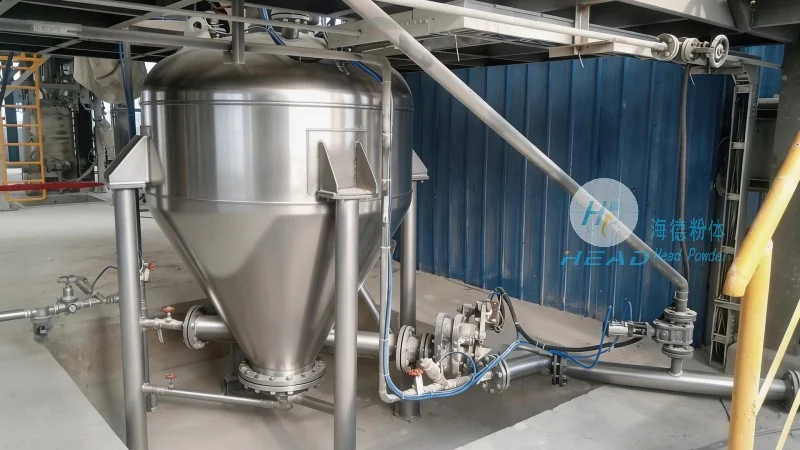
Key Components of Pneumatic Conveying Systems for Pulp Materials
The pneumatic conveying system for pulp materials typically consists of several critical components that work in concert to achieve seamless material transport. These include a hopper for material storage, a rotary valve or feeder to control the flow of pulp, a conveyor line (either positive or negative pressure), a filter system to capture fine particles, and a dust collector to maintain air quality. Each component is designed to handle the unique properties of pulp, such as its fibrous nature and moisture content, ensuring reliable and efficient operation.
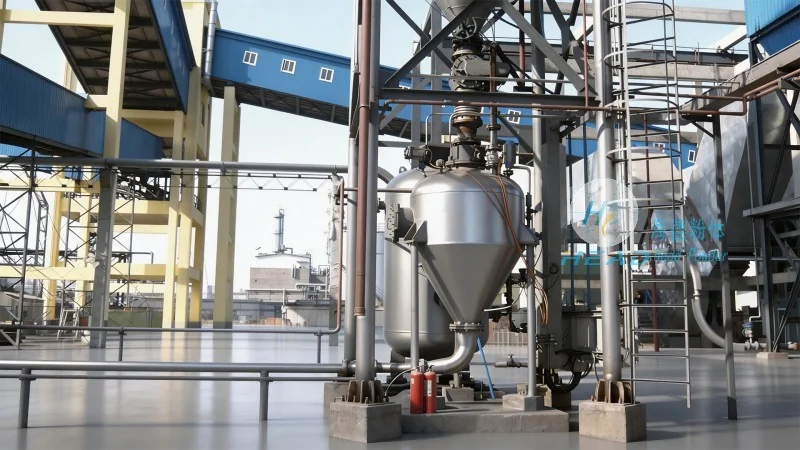
Operation Process of Pulp Material Pneumatic Conveying
The operation process of the pneumatic conveying equipment for pulp materials involves a series of steps that ensure smooth material transfer. Initially, the pulp is loaded into the hopper, where it accumulates before being fed into the conveyor line. The rotary valve or feeder regulates the flow rate, preventing overloading or underflow. As the material enters the conveyor line, it is carried by a stream of air, either under positive pressure (where air pushes the material forward) or negative pressure (where air pulls the material through the line). The air flow is controlled by a blower or fan, which maintains the necessary pressure differential to move the pulp efficiently. The conveyor line is equipped with bends and elbows that guide the material to the processing unit, while the filter and dust collector systems ensure that fine particles are captured and the air is cleaned before release.
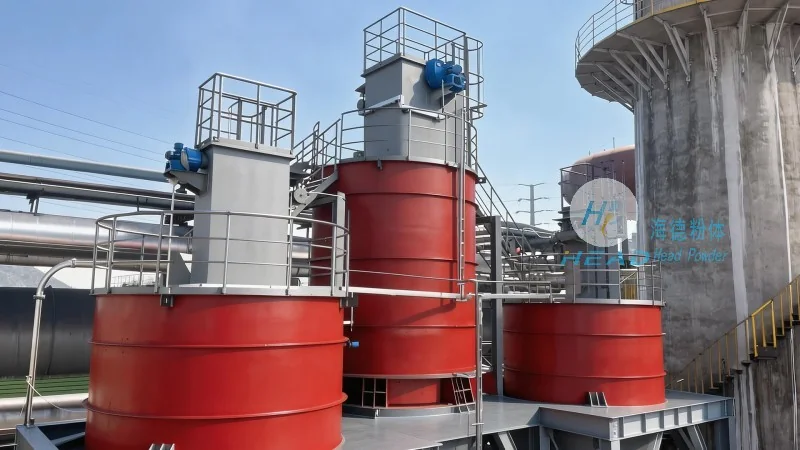
Working Principle of Pneumatic Conveying for Pulp Materials
The working principle of the pneumatic conveying system relies on the fundamental concept of transporting solid materials in a fluidized state using air. In the case of pulp materials, the system operates by creating a flow of air that suspends the pulp particles, allowing them to be transported through the pipeline. The key to efficient conveying is maintaining the right air velocity and pressure. If the air velocity is too low, the pulp may settle and cause blockages; if it is too high, excessive energy consumption and potential material degradation may occur. The system is designed to optimize these parameters based on the specific characteristics of the pulp, such as particle size, moisture content, and bulk density. The blower or fan provides the necessary air pressure, while the filter and dust collector ensure that the air remains clean and free from contaminants, preventing clogging and maintaining system efficiency.
Advantages of Pneumatic Conveying for Pulp Handling
Pneumatic conveying systems offer several advantages over traditional mechanical conveying methods for pulp materials. These include reduced material handling time, lower labor costs, and improved material quality due to minimal contact with equipment surfaces. The enclosed system also prevents dust and fiber contamination, which is critical in paper manufacturing processes. Additionally, the flexibility of pneumatic conveying allows for easy integration with existing production lines, and the ability to transport materials over long distances without the need for intermediate storage or transfer points. The system's ability to handle varying material flow rates and compositions also makes it suitable for diverse production environments.
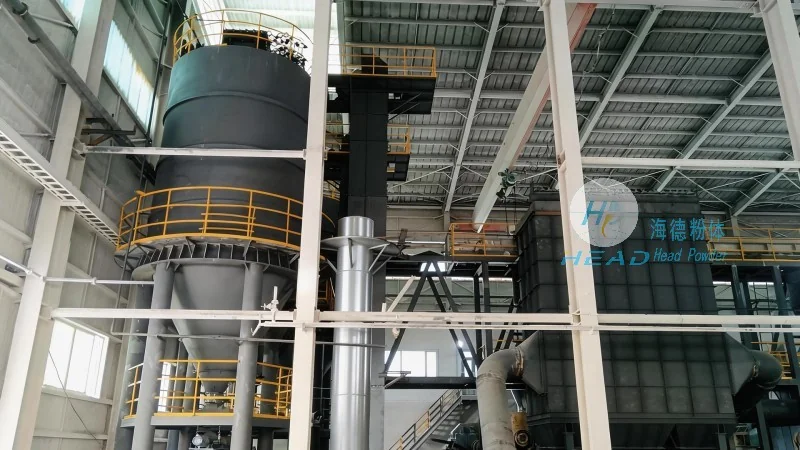
Applications and Industries Served
The pneumatic conveying equipment for pulp materials is widely used in various industries, including paper and pulp manufacturing, where it plays a crucial role in transporting raw materials and finished products. It is also applicable in industries such as food processing, pharmaceuticals, and chemical manufacturing, where similar fibrous or particulate materials need to be handled efficiently. The system's adaptability and reliability make it a preferred choice for companies seeking to enhance their material handling processes and improve overall operational efficiency.