

Design and Calculation of Foundry Sand Pneumatic Conveying and Equipment Selection
HeadPowder, a leading engineering firm based in Shandong, China, specializes in the design, calculation, and selection of equipment for pneumatic conveying systems used in foundry sand applications. This article provides a comprehensive overview of the key considerations and technical aspects involved in optimizing foundry sand pneumatic conveying systems, ensuring efficient material handling and process reliability.
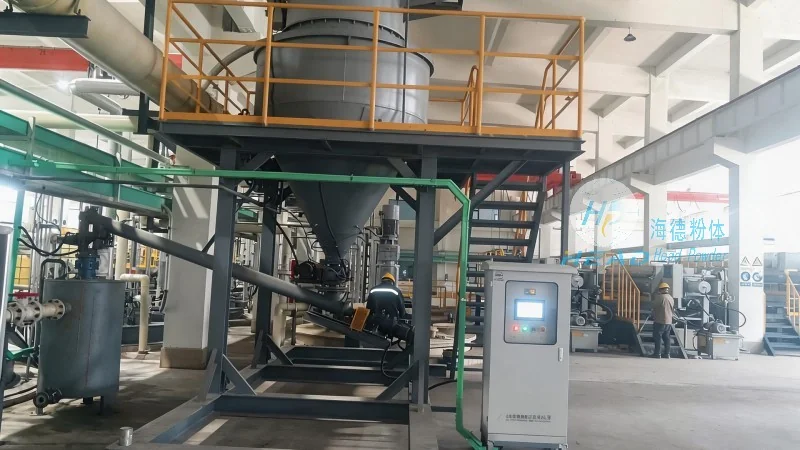
Company Overview and Expertise
HeadPowder Engineering Co., Ltd. is a professional manufacturer and supplier dedicated to providing high-quality pneumatic conveying solutions tailored for the foundry industry. With years of experience in the field, our team of engineers and technicians possesses deep expertise in the design and implementation of efficient material handling systems. Our company, headquartered in Shandong, China, leverages advanced technology and industry best practices to deliver customized solutions that meet the specific needs of foundry operations.
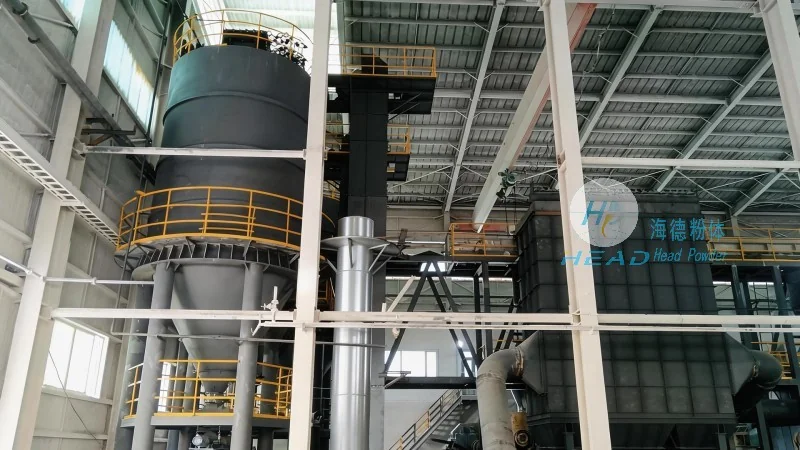
Foundry Sand Pneumatic Conveying System Design Principles
The design of a pneumatic conveying system for foundry sand involves several critical factors that directly impact system performance and reliability. Key design principles include the selection of appropriate air velocities, pressure differentials, and equipment configurations to ensure the efficient transport of abrasive and high-density materials like foundry sand. Engineers must consider the physical properties of the material, such as particle size distribution, moisture content, and bulk density, to determine the optimal conveying method—whether it is a positive pressure, negative pressure, or mixed pressure system. Additionally, the system design must account for factors like material flow rates, distance of transport, and the need for dust control and environmental compliance.
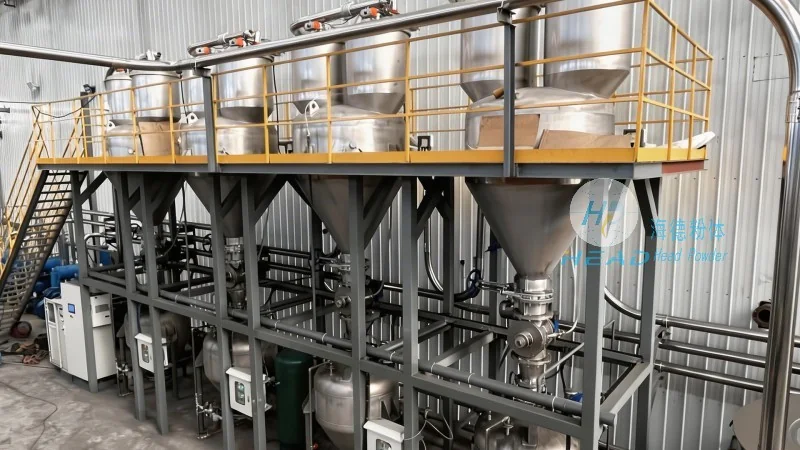
Key Equipment Selection for Foundry Sand Conveying
Choosing the right equipment is crucial for the successful operation of a foundry sand pneumatic conveying system. HeadPowder offers a range of specialized equipment designed to handle the unique challenges of foundry sand, including high-pressure blowers, rotary valves, and dust collectors. The selection process involves evaluating the required air volume and pressure, the capacity of the conveying line, and the need for material separation or filtration. For example, high-capacity rotary airlocks are commonly used to feed foundry sand into the conveying line, while high-efficiency cyclone separators are employed to separate the sand from the air stream, ensuring clean material delivery and minimizing system downtime.
Design Calculation Process for Pneumatic Conveying Systems
The design calculation process for foundry sand pneumatic conveying systems is a systematic approach that involves several steps to ensure the system operates within safe and efficient parameters. First, the material characteristics are analyzed to determine the appropriate conveying velocity, which is typically between 20-30 m/s for foundry sand. The pressure drop across the system components is then calculated, considering the length of the conveying line, bends, and fittings. This calculation helps determine the required power input from the blower or compressor. Next, the air volume and pressure are determined based on the material flow rate and the selected conveying velocity. Engineers also assess the system's ability to handle variations in material feed, such as fluctuations in sand moisture or particle size, to ensure consistent performance. Finally, the system is sized and configured to meet the specific operational requirements of the foundry, including the need for dust collection and environmental protection.
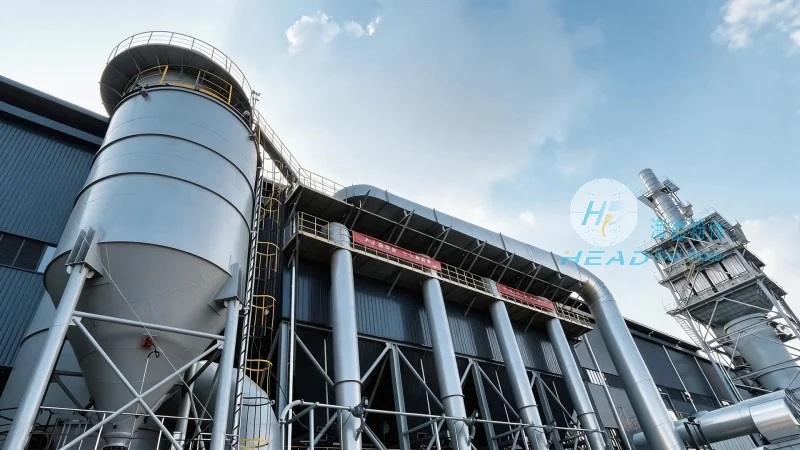
Benefits of Optimized Foundry Sand Pneumatic Conveying
Implementing an optimized pneumatic conveying system for foundry sand offers numerous benefits to industrial operations. Efficient material handling reduces labor costs and improves production throughput by minimizing downtime caused by material transport bottlenecks. The use of specialized equipment, such as high-efficiency dust collectors, enhances workplace safety by controlling dust emissions and complying with environmental regulations. Additionally, optimized systems reduce energy consumption by minimizing pressure losses and ensuring the most efficient use of air and power. These benefits contribute to improved overall operational efficiency and cost savings for foundry manufacturers.