

Design and Calculation for Hydrogen Chloride Pneumatic Conveying and Equipment Selection
Hydrogen chloride (HCl) is a highly corrosive and hazardous gas widely utilized in industrial processes such as chemical manufacturing, pharmaceutical production, and material synthesis. The safe and efficient transportation of HCl via pneumatic conveying systems is essential to ensure operational safety, mitigate environmental risks, and maintain product quality. This article provides a comprehensive overview of the design and calculation principles for HCl pneumatic conveying systems, along with guidance on equipment selection tailored to specific process requirements.
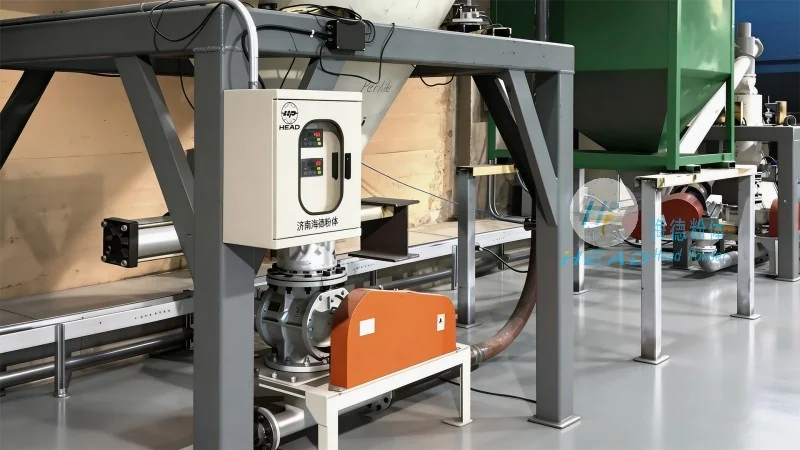
Key Design Considerations for Hydrogen Chloride Pneumatic Conveying
When designing a pneumatic conveying system for HCl, several critical factors must be evaluated to ensure system reliability and safety. The initial step involves assessing process flow requirements, including the desired material handling rate, the distance over which the gas must be conveyed, and the characteristics of the HCl gas itself—such as its concentration, temperature, and pressure. These parameters directly influence the selection of the conveying method, whether it will be a dilute-phase or dense-phase system, and the overall system layout.
Material properties of the HCl gas, particularly its corrosive nature, are paramount in equipment selection. HCl is highly aggressive to many materials, including standard metals and certain polymers. Consequently, the entire conveying system—from the gas source to the discharge point—must be constructed from corrosion-resistant materials like stainless steel (e.g., 316L) or specialized alloys engineered to withstand HCl exposure. This includes components such as pipelines, valves, and pumps, which are often equipped with internal linings or coatings to extend service life.
Calculation Methods for Pneumatic Conveying System Design
The design of a pneumatic conveying system involves complex calculations to determine the necessary air velocity, pressure, and flow rates. The primary objective is to achieve a stable, non-clogging flow of HCl while minimizing energy consumption and ensuring the gas remains within safe operating limits. Several key parameters must be calculated, including the required air velocity to maintain particle suspension, the pressure drop across the system, and the power requirements for the air compressor.
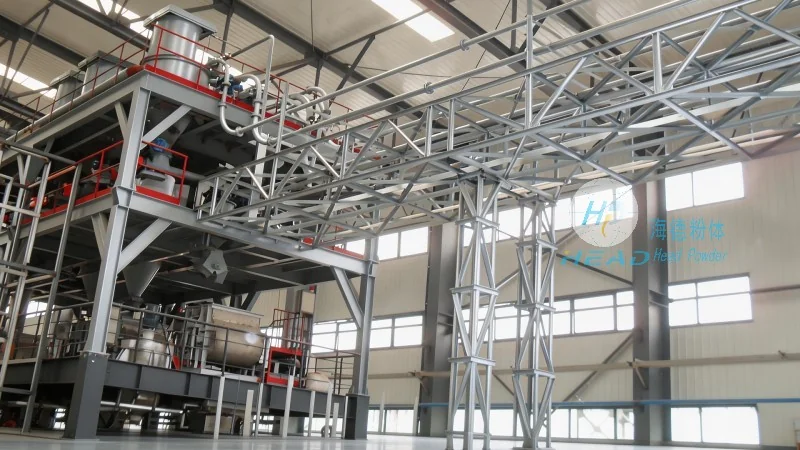
One of the most critical calculations is determining the air velocity needed to keep HCl particles suspended. This is typically based on the particle size distribution of the HCl gas and the system's operating conditions. For dilute-phase systems, air velocities are often in the range of 20-30 meters per second, while dense-phase systems may use lower velocities (5-15 m/s) to reduce particle impact and wear on equipment. The pressure drop across the system is calculated using empirical formulas or computational fluid dynamics (CFD) simulations, which account for friction losses in pipelines, fittings, and changes in elevation.
Power consumption is another key factor in system design. The air compressor must be sized to provide sufficient pressure and flow to overcome system losses and maintain the desired conveying rate. The selection of the compressor type—whether positive displacement or centrifugal—depends on the system's pressure and flow requirements. For HCl applications, positive displacement compressors are often preferred due to their ability to deliver high pressure at lower flow rates, which is essential for dense-phase conveying.
Equipment Selection for Hydrogen Chloride Pneumatic Conveying
Choosing the right equipment for HCl pneumatic conveying is a critical step in ensuring system performance and longevity. The equipment must be designed to handle the corrosive nature of HCl while meeting the specific flow and pressure requirements of the process. Key equipment components include the gas source, conveying line, and discharge system.
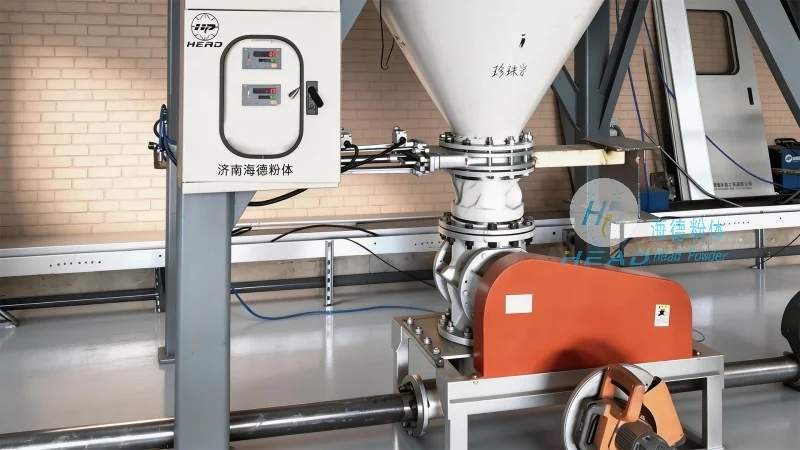
The gas source, typically a storage tank or a production unit, must be equipped with proper venting and pressure relief systems to prevent over-pressurization. The storage tank is often made of corrosion-resistant materials and may include internal baffles to minimize gas turbulence and reduce the risk of corrosion. The conveying line is usually constructed from stainless steel or other corrosion-resistant materials and is designed with smooth, rounded bends to minimize pressure losses and prevent particle accumulation.
The discharge system is a critical component, as it must safely release the HCl gas into the process or storage tank. This system typically includes a receiver or hopper that collects the HCl particles and a valve or pump that transfers the gas to the next stage of the process. The discharge equipment must be equipped with proper sealing and venting to prevent leaks and ensure safe operation. In some cases, the discharge system may include a filter or separator to remove any solid particles from the HCl gas before it is released.

Role of Shandong HeadPowder Engineering Co., Ltd. in HCl Pneumatic Conveying Solutions
Shandong HeadPowder Engineering Co., Ltd., a leading provider of engineering solutions for material handling and chemical processing, specializes in the design and implementation of HCl pneumatic conveying systems. With years of experience in the industry, the company has developed a deep understanding of the unique challenges associated with HCl transportation and has developed specialized solutions to address these challenges.
The company's team of engineers uses advanced design and calculation methods to develop customized HCl pneumatic conveying systems that meet the specific needs of each client. They work closely with clients to assess their process requirements, material properties, and safety regulations, ensuring that the final system is both efficient and compliant with industry standards. The company's expertise extends to equipment selection, where they recommend corrosion-resistant materials and components specifically designed for HCl applications.
Shandong HeadPowder Engineering Co., Ltd. is committed to providing high-quality, reliable HCl pneumatic conveying solutions that enhance operational safety and efficiency. By leveraging their expertise in design, calculation, and equipment selection, the company helps clients minimize downtime, reduce maintenance costs, and improve overall process performance. With a focus on customer satisfaction and long-term partnerships, the company has built a reputation as a trusted provider of HCl pneumatic conveying systems in China and beyond.