

Design Calculation and Equipment Selection for Pneumatic Conveying of Crystalline Solids
For industries handling crystalline solids, the design and selection of pneumatic conveying systems are critical to ensure efficient, reliable, and cost-effective material transport. Proper engineering calculations and equipment selection directly impact operational performance, maintenance costs, and overall system longevity. This article explores the key considerations in designing pneumatic conveying systems for crystalline materials, with a focus on the expertise offered by Shandong HeadPowder Engineering Co., Ltd., a leading provider in the field.
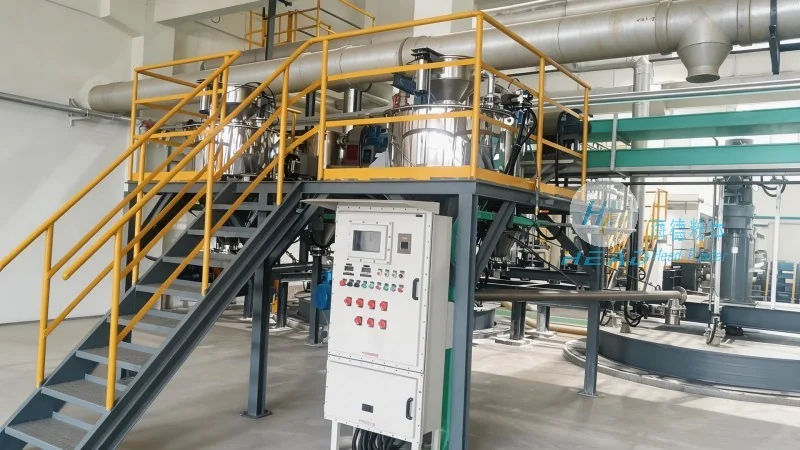
Understanding the Importance of Accurate Design Calculations
When dealing with crystalline solids, such as pharmaceutical powders, food additives, or chemical intermediates, the physical properties of the material—like particle size, density, moisture content, and flowability—play a pivotal role in system design. Accurate design calculations involve analyzing these properties to determine the appropriate conveying velocity, pressure drop, and system configuration. For instance, the particle size distribution of a crystalline material can affect its aerodynamic behavior, influencing the selection of the conveying method (e.g., dilute-phase or dense-phase) and the required air volume. Shandong HeadPowder Engineering Co., Ltd. employs advanced computational fluid dynamics (CFD) and empirical formulas to tailor calculations to each client's specific material characteristics, ensuring optimal system performance.
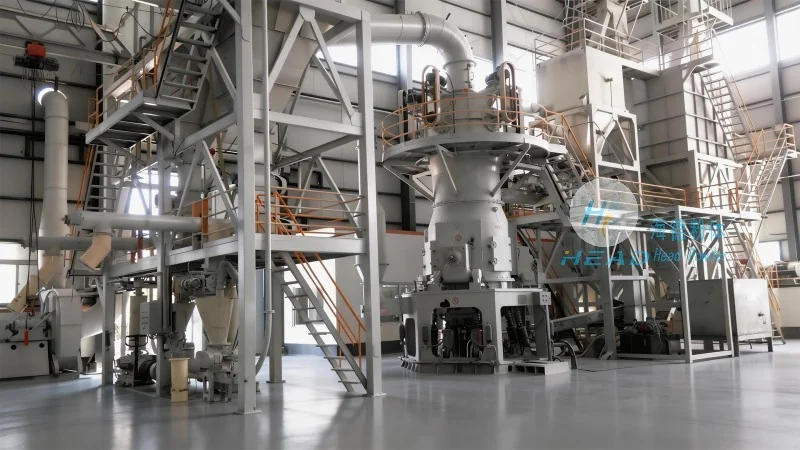
Key Factors in Equipment Selection for Crystalline Solids Conveying
The selection of pneumatic conveying equipment is a critical step in system design, as it directly impacts the system's efficiency and reliability. For crystalline solids, factors such as material abrasiveness, corrosiveness, and hygroscopicity must be considered when choosing components like hoppers, feeders, pipelines, and separation units. For example, abrasive crystalline materials may require wear-resistant materials for pipelines and components to extend service life. Additionally, the choice between positive and negative pressure systems depends on the material's properties and the desired transport distance. Shandong HeadPowder Engineering Co., Ltd. offers a range of equipment, including rotary valves, pressure vessels, and cyclone separators, all designed to handle the unique challenges of crystalline solids. Their team of engineers evaluates each project's requirements to recommend the most suitable equipment, balancing performance, durability, and cost-effectiveness.
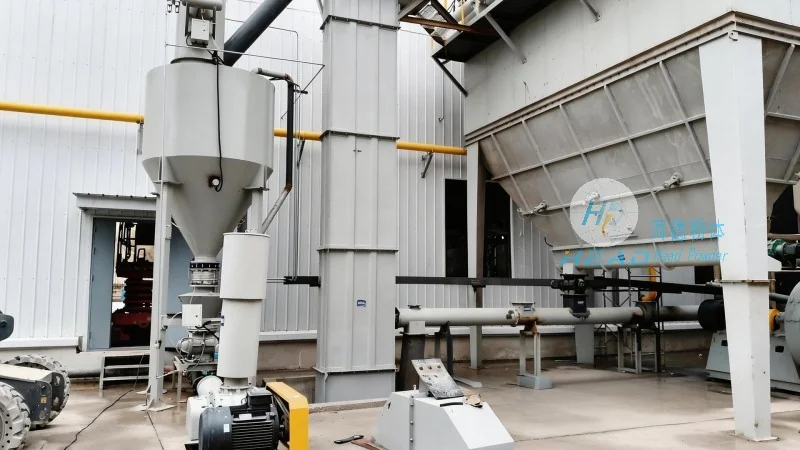
Customized System Design and Engineering Services
At Shandong HeadPowder Engineering Co., Ltd., the approach to pneumatic conveying system design is highly customized. The company works closely with clients to understand their operational needs, material specifications, and production goals. This collaborative process involves detailed site surveys, material testing, and the development of comprehensive design plans. The engineering team uses industry-standard software and best practices to create systems that meet or exceed client expectations. For instance, a pharmaceutical manufacturer requiring sterile conveying systems would receive a design that incorporates aseptic components and validated processes. Similarly, a food processing plant handling sensitive crystalline additives would benefit from a system designed to maintain product integrity and comply with regulatory standards. The company's commitment to quality and client satisfaction is reflected in its rigorous testing and commissioning procedures, ensuring that each system is fully operational and meets all performance criteria before delivery.
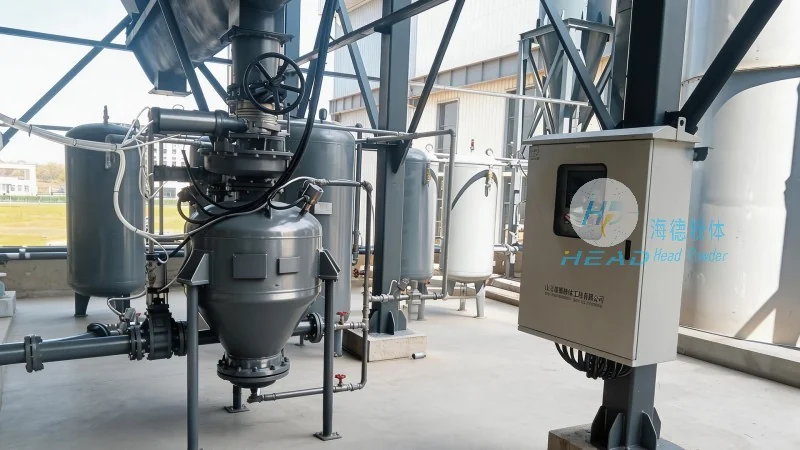
Addressing Common Challenges in Crystalline Solids Conveying
Despite advancements in technology, pneumatic conveying of crystalline solids still presents unique challenges, such as material buildup, blockages, and system inefficiencies. Shandong HeadPowder Engineering Co., Ltd. addresses these challenges through innovative solutions and expert troubleshooting. For example, the company may recommend the use of anti-static measures to prevent material accumulation in pipelines, or implement advanced control systems to optimize air flow and pressure. Additionally, their engineers provide ongoing support and maintenance services to ensure systems operate at peak efficiency over their lifespan. By combining technical expertise with practical experience, the company helps clients overcome common issues and achieve long-term operational success.