

Barium Carbonate Pneumatic Conveying Design Calculation and Equipment Selection
HeadPowder, a leading engineering firm based in Shandong, China, specializes in the design, calculation, and selection of equipment for pneumatic conveying systems, particularly for barium carbonate applications. This article provides a comprehensive overview of the key considerations and methodologies involved in the design process, ensuring efficient and reliable material handling solutions.
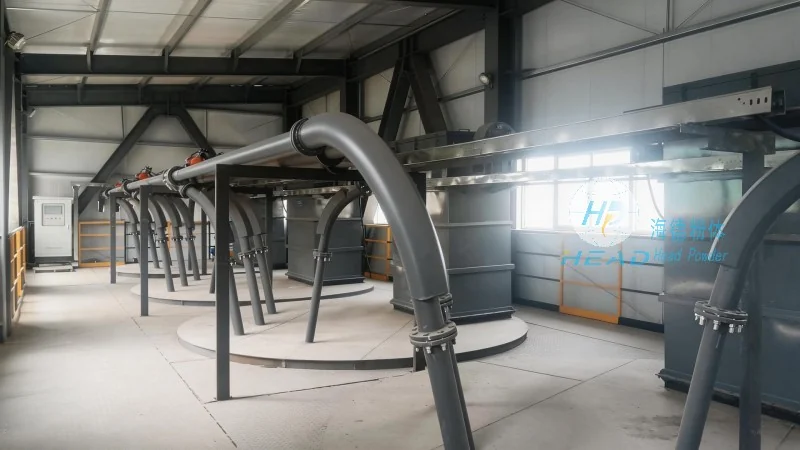
Company Overview
HeadPowder Engineering Co., Ltd. is a professional engineering company headquartered in Shandong, China. With years of experience in the field of powder handling and material transport, the company offers tailored solutions for various industrial applications, including the pneumatic conveying of barium carbonate. Our team of experts leverages advanced engineering principles and practical experience to deliver optimized systems that meet the specific requirements of clients.
Pneumatic Conveying Fundamentals
Pneumatic conveying is a method of transporting bulk materials through a pipeline using air or other gases. For barium carbonate, which is typically a fine powder, this technology offers several advantages over traditional methods such as belt conveyors or bucket elevators. The primary benefits include reduced material degradation, lower maintenance costs, and improved safety by eliminating the need for direct human contact with the material. The design of a pneumatic conveying system for barium carbonate involves careful consideration of several factors, including material properties, system layout, and operational parameters.
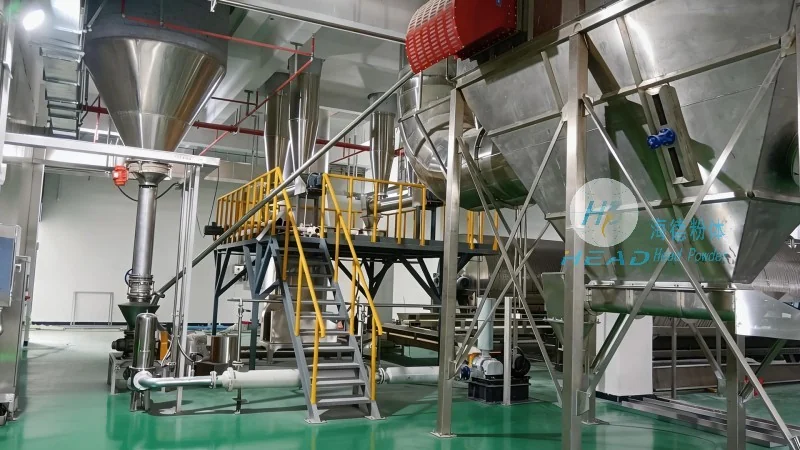
Design Calculation Process
The design calculation for a barium carbonate pneumatic conveying system begins with an analysis of the material's physical characteristics. Key parameters include particle size distribution, bulk density, and flowability. These properties are crucial as they directly impact the system's air velocity requirements and the selection of appropriate equipment. The first step is to determine the required air velocity to ensure that the material is fully suspended and transported efficiently. This is typically calculated using the "minimum fluidization velocity" or "transport air velocity" formulas, which take into account the material's density and particle size.
Next, the system layout is designed, considering the distance, elevation changes, and number of bends in the pipeline. The layout influences the pressure drop across the system, which is a critical factor in determining the power requirements for the air compressor. The pressure drop is calculated by summing the contributions from straight pipe, fittings, and any equipment such as cyclones or filters. Accurate calculation of pressure drop ensures that the compressor can deliver sufficient air pressure to overcome these losses and maintain the desired conveying velocity.
Equipment Selection for Barium Carbonate Conveying
Once the design calculations are complete, the selection of equipment components is performed. The main components of a pneumatic conveying system include the material feed system, air compressor, conveying pipeline, and material separation equipment. For barium carbonate, the feed system must be designed to handle fine powders without causing blockages or agglomeration. Options include rotary valves, star feeders, or pressure feeders, depending on the system's requirements. The air compressor is selected based on the required air volume and pressure, with considerations for energy efficiency and noise levels. Common types include rotary lobe compressors or centrifugal compressors, chosen to match the system's operational needs.
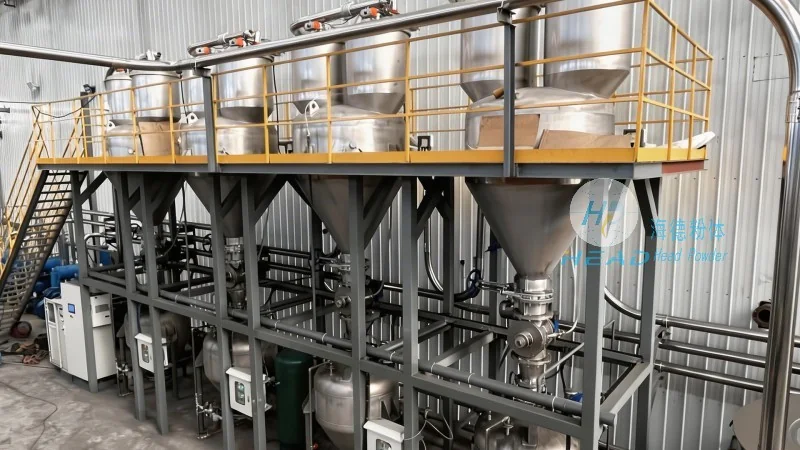
The conveying pipeline is typically made of stainless steel or other corrosion-resistant materials to prevent contamination and ensure durability. The diameter and length of the pipeline are determined based on the air velocity and pressure drop calculations. Fittings such as elbows, tees, and reducers are selected to minimize pressure losses and maintain the material's flow. At the receiving end, separation equipment such as cyclones or bag filters is used to separate the barium carbonate from the air stream. The choice of separation equipment depends on the required particle size and the need for material recovery or disposal.
System Optimization and Performance Evaluation
After the equipment is installed, the system is optimized to ensure peak performance. This involves monitoring key parameters such as air pressure, flow rate, and material flow rate. Adjustments may be made to the air velocity or feed rate to achieve the desired conveying efficiency. Performance evaluation is conducted to verify that the system meets the design specifications and operates within the expected range. Regular maintenance is also essential to ensure the longevity of the equipment and the reliability of the conveying process. HeadPowder provides comprehensive support, including installation, commissioning, and ongoing maintenance services, to ensure that the pneumatic conveying system for barium carbonate operates at its best.