

Design and Equipment Selection for Pneumatic Conveying of Polypropylene Granules
For industries dealing with polypropylene granules, efficient material handling is crucial. This document outlines the design calculation principles and equipment selection process for pneumatic conveying systems, tailored to the specific needs of polypropylene particle transport. The following sections provide a comprehensive guide to ensure optimal performance and reliability in pneumatic conveying applications.
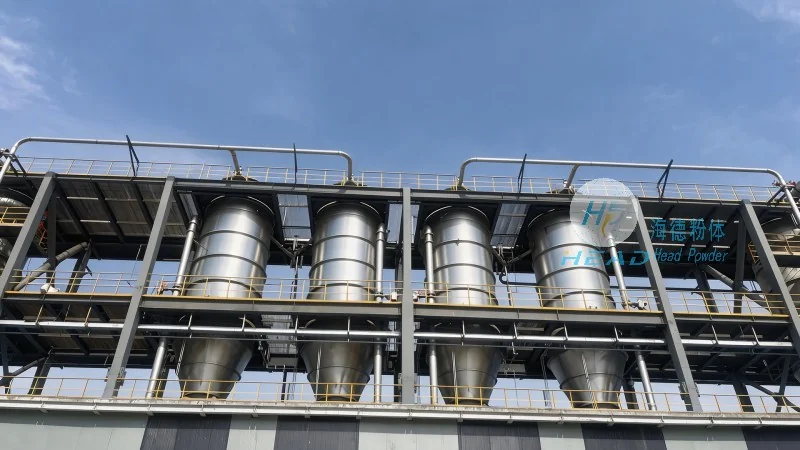
Key Design Considerations for Pneumatic Conveying
The design of a pneumatic conveying system for polypropylene granules begins with a thorough analysis of material properties and operational requirements. Key factors include particle size, density, moisture content, and flow rate. These parameters directly influence the selection of air velocity, pressure, and system configuration. Engineers must consider the material's aerodynamic behavior, as polypropylene granules exhibit specific characteristics that affect conveying efficiency. For instance, the particle size distribution and surface texture can impact the required air velocity to achieve stable suspension and prevent blockages. Additionally, moisture content is critical, as it can alter the material's flowability and increase the risk of clogging in the conveying line.
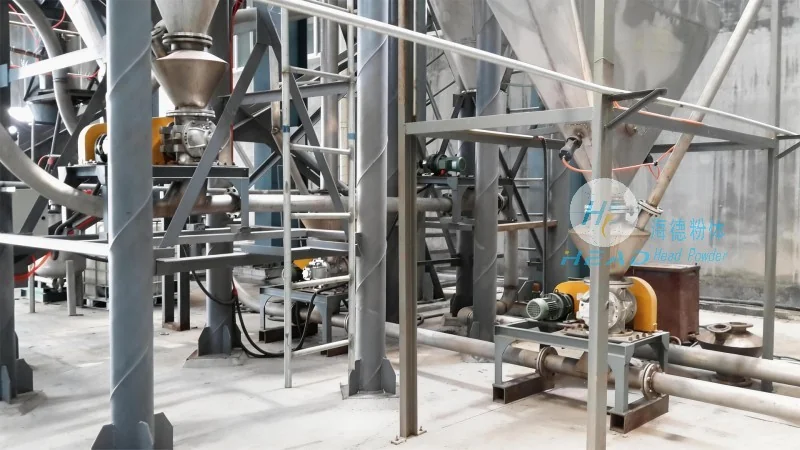
Calculation Methods for Pneumatic Conveying Systems
Accurate calculation is essential to ensure the pneumatic conveying system operates within optimal parameters. The primary calculations involve determining the necessary air volume, pressure, and power requirements. The air volume is calculated based on the material flow rate and the required air velocity to maintain particle suspension. The pressure drop across the system components, including the conveying line, fittings, and equipment, is another critical factor. Engineers use empirical formulas and industry standards to estimate pressure losses, ensuring the system's compressor can provide sufficient pressure to overcome these losses. Power consumption is also calculated to assess operational costs and energy efficiency. By performing these calculations, engineers can design a system that meets the production demands while minimizing energy consumption and maintenance requirements.
Equipment Selection for Polypropylene Granule Pneumatic Conveying
Choosing the right equipment is vital for the successful operation of a pneumatic conveying system. The selection process involves evaluating various components, including the feeder, conveying line, and receiver. The feeder is responsible for introducing the polypropylene granules into the conveying line at a consistent rate. For polypropylene granules, screw feeders or rotary valves are commonly used due to their ability to handle bulk materials and maintain a steady flow. The conveying line, typically made of stainless steel or other corrosion-resistant materials, must be designed to withstand the pressure and temperature conditions. The line diameter and length are critical parameters that affect the system's performance. The receiver, where the material is deposited, should be equipped with proper venting and cleaning mechanisms to prevent material buildup and ensure smooth operation. Additionally, accessories such as filters, cyclones, and dust collectors are essential to maintain air quality and protect the system from contamination. The selection of these components is based on the material's properties and the system's operational requirements, ensuring long-term reliability and efficiency.
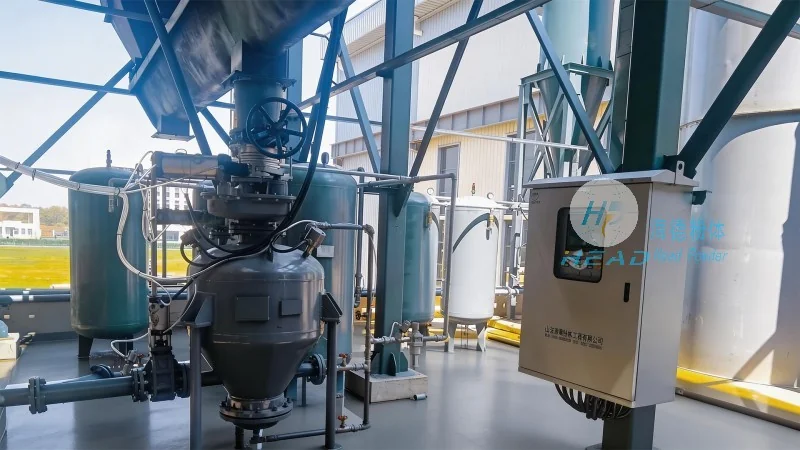
About Shandong HeadPowder Engineering Co., Ltd.
Shandong HeadPowder Engineering Co., Ltd., commonly known as HeadPowder, is a leading provider of engineering solutions for material handling systems. With a focus on pneumatic conveying technologies, the company specializes in designing and manufacturing systems tailored to the needs of various industries, including plastics, chemicals, and food processing. HeadPowder's team of experienced engineers and technicians utilizes advanced design software and industry best practices to develop customized solutions that meet the unique requirements of each client. The company's commitment to quality and innovation has earned it a reputation for delivering reliable and efficient material handling systems. HeadPowder's facilities are located in Shandong, China, where the company conducts research, development, and manufacturing to support its global clientele. By combining technical expertise with customer-centric approach, HeadPowder ensures that its clients receive the best possible solutions for their pneumatic conveying needs.