

Operation Process and Working Principle of PTA Material Pneumatic Conveying Equipment
For industries dealing with PTA (Polyethylene Terephthalate) materials, efficient material handling is crucial for maintaining production efficiency and ensuring product quality. Pneumatic conveying systems have become a key solution in this context, offering a reliable method to transport PTA powders and granules. This article explores the operation process and working principle of PTA material pneumatic conveying equipment, highlighting how such systems enhance operational performance in PTA processing facilities.
Understanding PTA Material Pneumatic Conveying Systems
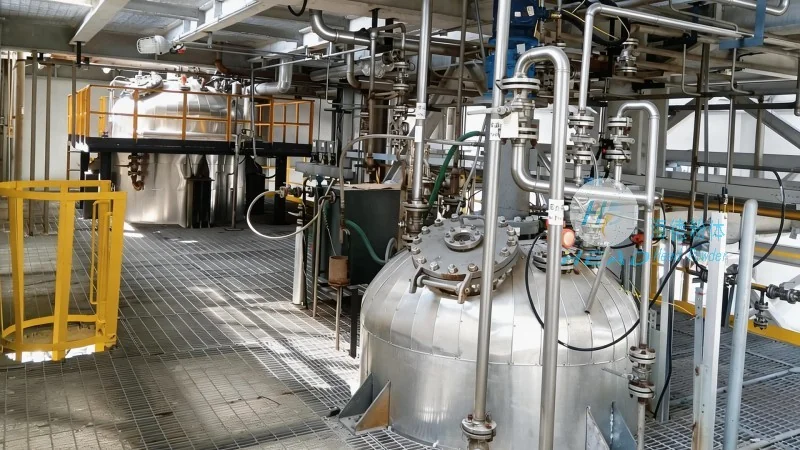
Pneumatic conveying systems utilize air or gas to transport bulk materials like PTA through a network of pipes. These systems are particularly suitable for PTA due to the material's characteristics, including its fine particle size and potential for static electricity, which can be managed effectively with proper design and equipment. The core components of a typical PTA pneumatic conveying system include a feeding device, a conveying line, a separation unit, and a dust collection system. Each component plays a vital role in ensuring the smooth and safe transport of PTA materials.
Working Principle of PTA Pneumatic Conveying Equipment
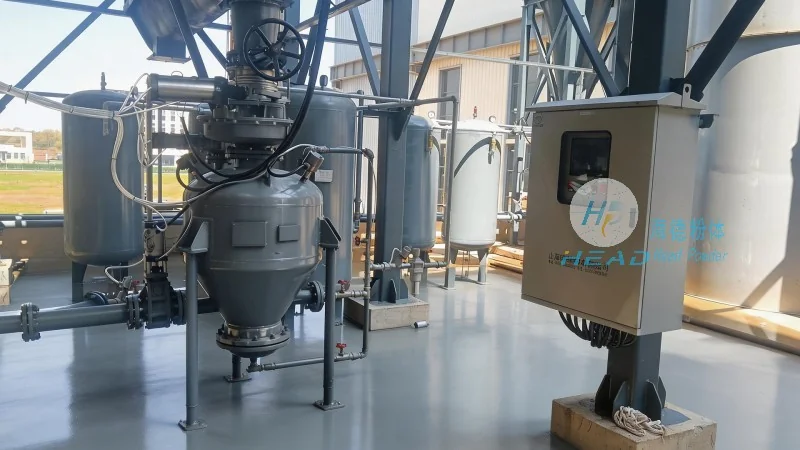
The working principle of PTA material pneumatic conveying equipment is based on the creation of a pressure differential or a vacuum within the conveying line. In pressure-type systems, compressed air is introduced at the material inlet, creating a pressure higher than the ambient air, which propels the PTA particles forward. In vacuum-type systems, a vacuum is created at the receiving end, drawing the material through the line. The choice between pressure and vacuum systems depends on factors such as the distance of transport, the material's properties, and the required flow rate. For PTA, pressure systems are commonly used due to their ability to handle higher material loads and longer transport distances efficiently.
Operation Process of PTA Pneumatic Conveying Equipment
The operation process of PTA material pneumatic conveying equipment involves several sequential steps that ensure consistent and reliable material transport. First, the PTA material is fed into the system through a hopper or a feeder, which controls the flow rate to prevent overloading. The feeder then delivers the material into the conveying line, where it is mixed with the conveying air. As the air and material mixture travels through the pipe, the PTA particles are carried forward by the air flow. At the receiving end, a separation unit, such as a cyclone or a bag filter, separates the PTA from the air. The PTA is then collected in a storage bin or a processing unit, while the air is filtered and discharged. This process is typically automated, with sensors and control systems monitoring the flow rate, pressure, and temperature to maintain optimal operation.
Key Features and Benefits of PTA Pneumatic Conveying Systems
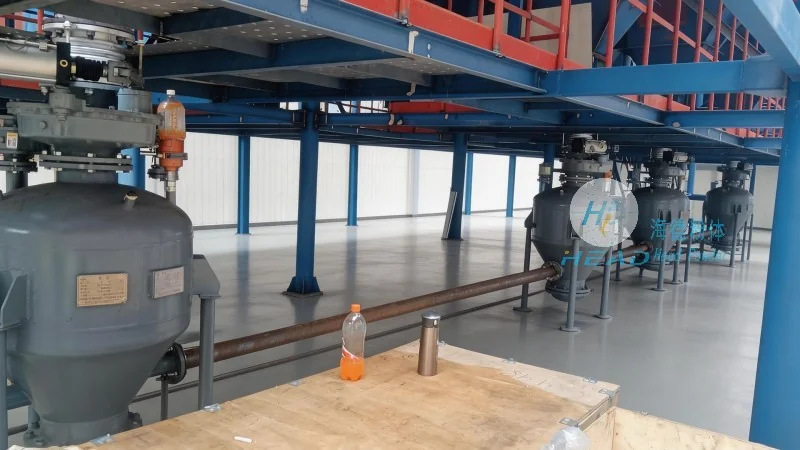
Pneumatic conveying systems for PTA materials offer several advantages that make them a preferred choice in industrial applications. These include minimal product contamination, as the material is not in direct contact with metal surfaces or other contaminants. Additionally, the systems are compact and can be installed in various configurations, allowing for flexible integration into existing production lines. The ability to handle fine powders without clogging is another key benefit, as the air flow helps maintain particle separation. Furthermore, pneumatic conveying systems are energy-efficient compared to mechanical conveying methods, reducing operational costs and environmental impact. For PTA processing facilities, these features contribute to improved productivity, reduced downtime, and enhanced product quality.
Company Introduction: Shandong HeadPowder Engineering Co., Ltd.
Shandong HeadPowder Engineering Co., Ltd., operating under the brand name headpowder, is a leading manufacturer of pneumatic conveying equipment tailored for PTA and other industrial materials. With a focus on innovation and quality, the company has developed advanced solutions that address the specific challenges of PTA material handling. Headpowder's expertise lies in designing customized pneumatic conveying systems that meet the unique requirements of each client, ensuring optimal performance and reliability. The company's facilities are located in Shandong, China, where it leverages local resources and industry knowledge to deliver high-quality products and services. By combining technical expertise with customer-centric approach, headpowder has established itself as a trusted partner in the PTA processing industry, providing reliable equipment that enhances operational efficiency and supports sustainable production practices.