

Operation Process and Working Principle of Intelligent Unpacking Material Conveying Line
Intelligent unpacking material conveying lines are advanced industrial systems designed to streamline the handling and transportation of bulk materials from initial packaging to processing or storage stages. These systems integrate automation technologies to enhance efficiency, reduce labor costs, and improve overall operational reliability in manufacturing and material handling applications. Developed by Shandong HeadPowder Engineering Co., Ltd. (headpowder), a leading provider of material handling solutions, these lines are tailored to meet the diverse needs of modern industries.
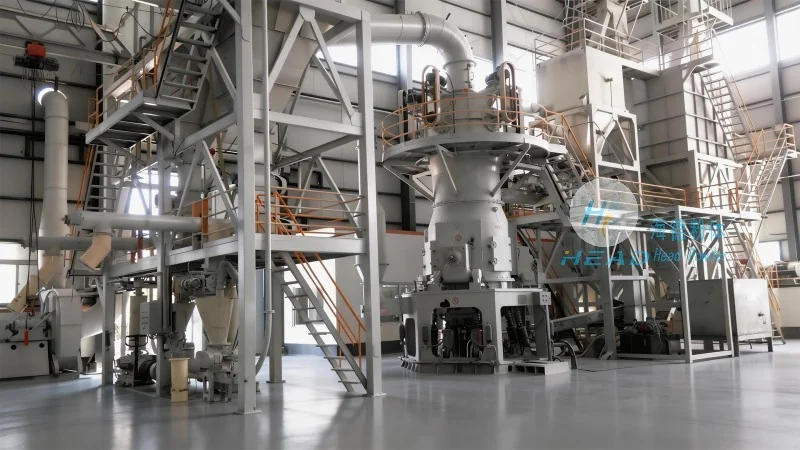
Key Components and Their Roles
The intelligent unpacking material conveying line typically consists of several interconnected components, each playing a critical role in the material handling process. The primary components include: (1) Unpacking units, which are responsible for opening and separating packaged materials; (2) Conveying systems, such as belt conveyors or chain conveyors, that transport materials through the line; (3) Sorting mechanisms, which may be integrated to separate different types of materials or products; (4) Control systems, which manage the entire operation through programmable logic controllers (PLCs) and other automation technologies; and (5) Material handling accessories, like hoppers or feeders, that ensure smooth material flow.
Operation Process of the Conveying Line
The operation of an intelligent unpacking material conveying line begins with the arrival of packaged materials at the input end of the system. The process can be broken down into several sequential steps:
Step 1: Material Input and Unpacking. The packaged materials are fed into the system, often via a hopper or a loading conveyor. The unpacking unit then activates, using mechanisms such as mechanical arms, air jets, or automated cutting tools to open the packaging and release the internal materials. This step ensures that the contents are separated from the packaging without damage to the product.
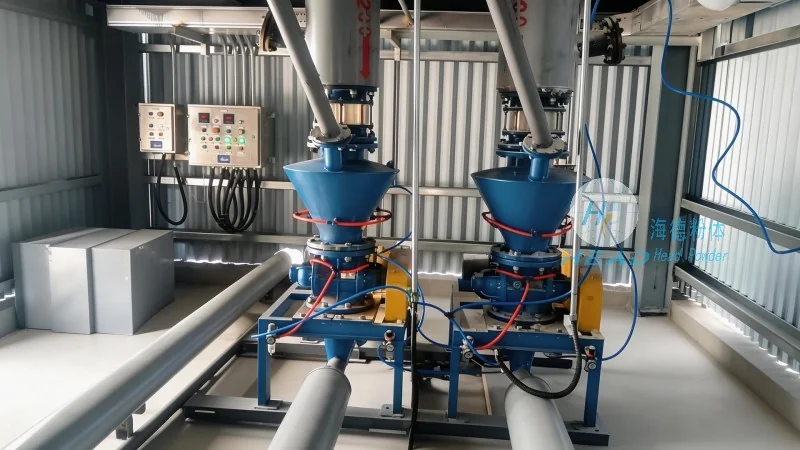
Step 2: Material Separation and Sorting. Once the materials are unpacked, they may be separated based on size, weight, or other characteristics. Sorting mechanisms, such as vibrating screens or air classifiers, are employed to sort the materials into different streams. This step is crucial for applications where different materials need to be processed separately.
Step 3: Conveying and Transport. After sorting, the materials are transferred to the main conveying system. Belt conveyors or chain conveyors move the materials through the line, guiding them to the next processing stage or storage area. The conveying speed and direction are controlled by the system's control unit to optimize material flow and prevent bottlenecks.
Step 4: Material Handling and Output. At the end of the conveying line, the materials are collected in a container or transferred to a subsequent processing machine. The output stage may include additional handling equipment, such as elevators or feeders, to ensure the materials are delivered efficiently to the next step in the production process.
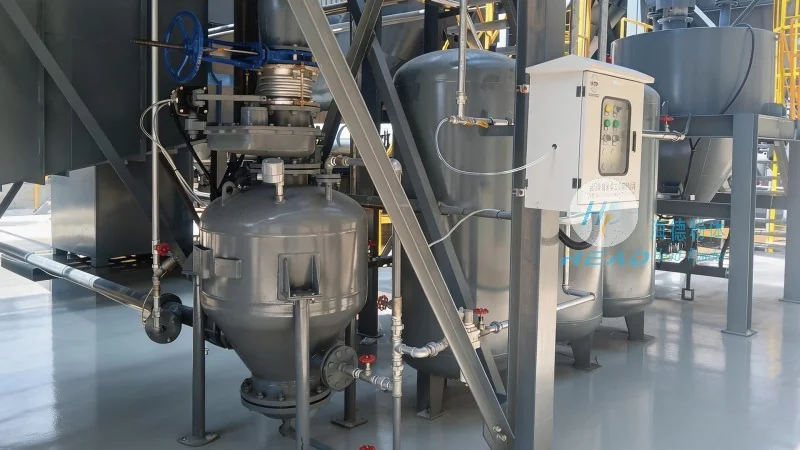
Working Principle of the System
The working principle of an intelligent unpacking material conveying line is based on a combination of mechanical, electrical, and control technologies. The system operates by receiving input signals from sensors and control devices, processing these signals through a PLC, and executing corresponding actions to manage the material flow. The key aspects of the working principle include:
1. Sensor Integration: Various sensors, such as proximity sensors, weight sensors, and optical sensors, are installed throughout the line to detect the presence and position of materials. These sensors provide real-time data to the control system, enabling precise control over the operation.
2. Automation Control: The PLC acts as the central brain of the system, coordinating the actions of all components. It receives input from sensors and executes pre-programmed logic to control the unpacking units, conveyors, and sorting mechanisms. The control system can be programmed to adjust parameters like speed, direction, and timing based on the type of material or production requirements.
3. Material Flow Management: The system uses feedback loops to monitor the material flow and adjust operations dynamically. For example, if a conveyor is overloaded, the control system may reduce the input speed or activate additional sorting mechanisms to prevent jams. This adaptive control ensures smooth and continuous operation.
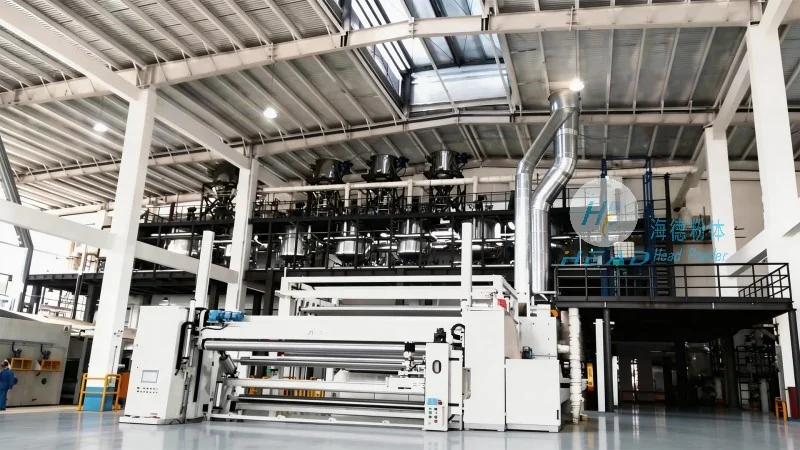
4. Safety and Reliability: Safety features, such as emergency stop buttons and overload protection, are integrated into the system to prevent accidents and equipment damage. The control system also includes diagnostic functions to monitor the health of components and alert operators to potential issues, enhancing the overall reliability of the operation.
Benefits and Applications
Intelligent unpacking material conveying lines offer several benefits that make them valuable in various industrial applications. These benefits include increased efficiency, reduced labor costs, improved product quality, and enhanced operational flexibility. The systems are commonly used in industries such as food processing, pharmaceuticals, chemicals, and mining, where handling bulk materials is a critical part of the production process.
In the food processing industry, for example, these lines are used to unpack and convey raw ingredients, such as grains or fruits, to the next processing stage. The automated unpacking and sorting ensure that only high-quality materials are used, reducing waste and improving product consistency. In the pharmaceutical industry, the systems are employed to handle raw materials and intermediates, adhering to strict quality and safety standards.