

Operation Process and Working Principle of Vacuum Material Feeding Conveyor Line
HeadPowder, a leading manufacturer based in Shandong, China, specializes in the design, production, and supply of advanced vacuum material feeding conveyor systems. These systems are engineered to efficiently handle a wide range of bulk materials, ensuring smooth and reliable material transfer in industrial applications.
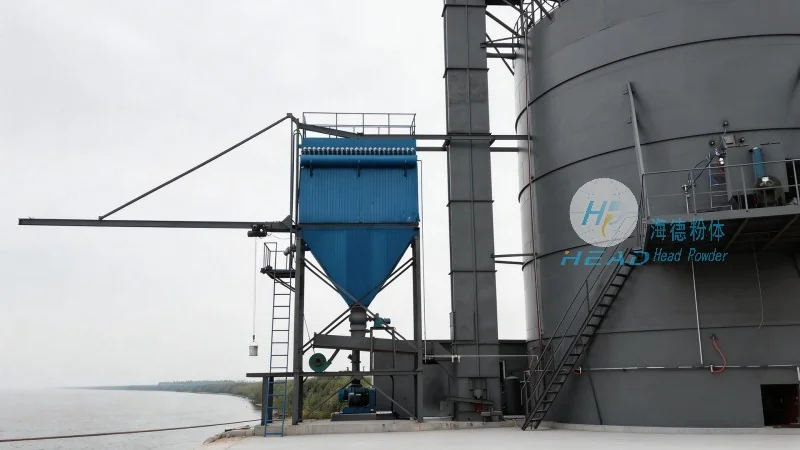
Company Overview and Location
HeadPowder Engineering Co., Ltd. is a professional enterprise dedicated to providing high-quality vacuum feeding solutions. The company is headquartered in Shandong, China, with a strong commitment to innovation and customer satisfaction. Our facilities are equipped with state-of-the-art technology and skilled professionals who work tirelessly to meet the diverse needs of our clients across various industries.
Understanding Vacuum Material Feeding Conveyors
Vacuum material feeding conveyors are sophisticated equipment designed to transport bulk materials from a source to a destination using vacuum pressure. This technology is particularly effective for handling fine powders, granules, and other loose materials that are prone to dust or require gentle handling. The core principle involves creating a negative pressure environment that draws the material through a pipeline or duct, ensuring consistent and controlled flow.
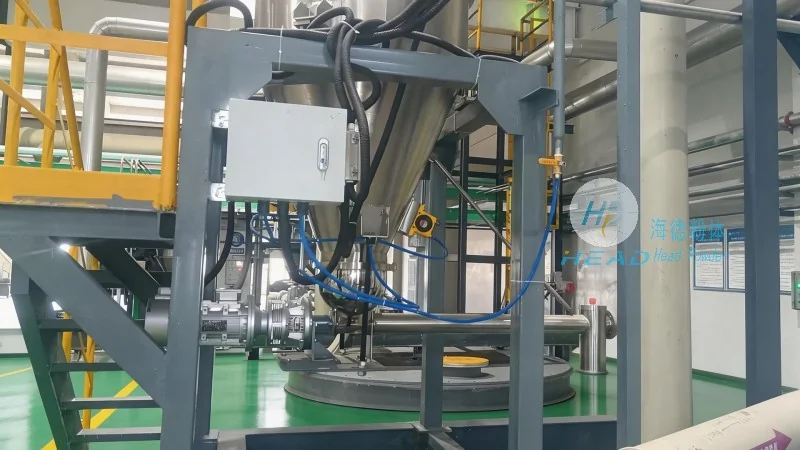
The Working Principle of Vacuum Conveying
The operation of a vacuum material feeding conveyor line is based on the fundamental physics of air movement and pressure differentials. The system typically consists of a vacuum pump, a material feed point, a transport line, and a discharge point. The vacuum pump generates a low-pressure zone, which causes the surrounding air to be drawn into the system along with the material. As the material is drawn into the line, it is separated from the air and transported to the discharge point. The process is continuous, allowing for the steady transfer of materials over long distances or between different locations within a facility.
Key Components and Their Functions
Several critical components work in tandem to ensure the efficient operation of a vacuum material feeding conveyor. These include the vacuum pump, which provides the necessary suction force; the material feed hopper or inlet, which holds the material and allows it to enter the system; the transport line, which is usually made of flexible or rigid tubing and is designed to withstand the vacuum pressure and material properties; and the discharge valve or outlet, which controls the release of the material at the destination. Additionally, filters and cyclones may be incorporated to separate any fine particles from the air, ensuring compliance with environmental regulations and maintaining system efficiency.
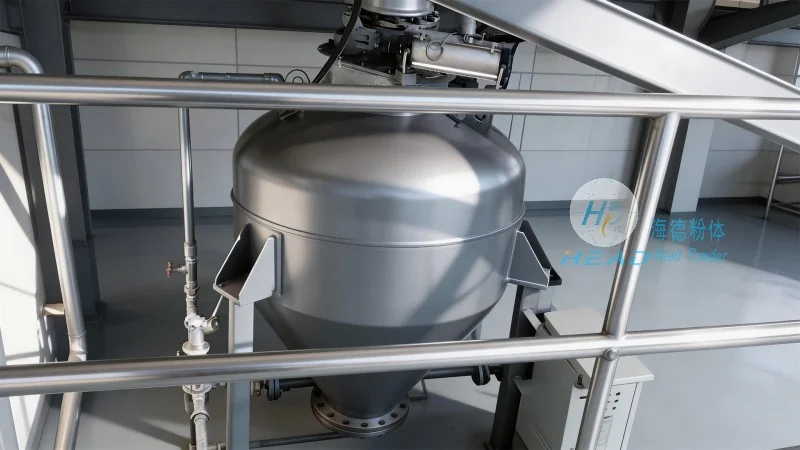
The Operation Process: Step-by-Step
The operation of a vacuum material feeding conveyor line follows a systematic process that ensures optimal performance and material handling. The steps typically include: 1. Preparation: The material is loaded into the feed hopper, and the system is checked for proper operation, including checking the vacuum pump pressure and ensuring all connections are secure. 2. Initiation: The vacuum pump is activated, creating the necessary suction. The material is then drawn from the hopper into the transport line. 3. Transport: The material travels through the pipeline under the influence of the vacuum, moving from the feed point to the discharge point. 4. Discharge: At the destination, the material is released from the system, often into a storage bin or processing equipment. 5. Termination: The vacuum pump is turned off, and the system is allowed to return to atmospheric pressure before any maintenance or material loading is performed.
Benefits and Applications
Vacuum material feeding conveyors offer numerous advantages in industrial settings. They provide a clean and dust-free method of material transfer, reducing the risk of contamination and improving workplace safety. The gentle handling of materials minimizes product degradation, ensuring that the quality of the material is maintained throughout the transfer process. Additionally, these systems are highly flexible, allowing for easy integration into existing production lines and the ability to transport materials over varying distances and heights. They are widely used in industries such as pharmaceuticals, food processing, chemical manufacturing, and mining, where the handling of fine powders and granules is critical.