

Operation Process and Working Principle of Fly Ash Material Conveying Lines
For industrial facilities dealing with fly ash, the efficient and reliable transportation of this material is crucial for maintaining operational efficiency and safety standards. The fly ash material conveying line, a specialized system designed to handle the movement of fly ash from its source to storage or disposal sites, plays a vital role in modern waste management and power generation processes. Shandong HeadPowder Engineering Co., Ltd., a leading provider of industrial material handling solutions, specializes in designing and manufacturing advanced fly ash material conveying lines that meet the highest industry standards. This article delves into the operation process and working principle of such systems, highlighting the key components, operational procedures, and technical aspects that ensure optimal performance.
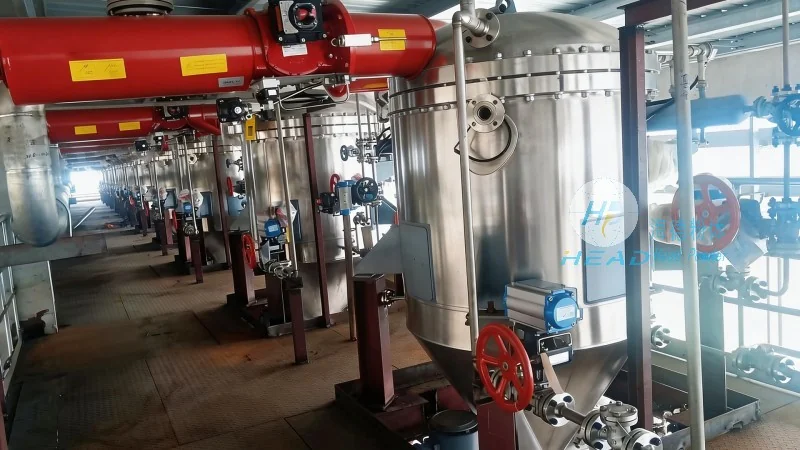
Overview of Fly Ash Material Conveying Lines
Fly ash, a byproduct of coal combustion in thermal power plants, is a fine particulate material that requires careful handling due to its abrasive and potentially hazardous nature. The conveying line is engineered to transport this material over long distances with minimal loss, ensuring that it reaches its destination without causing operational disruptions or environmental contamination. The system typically consists of a series of components, including feeders, conveyors, and control systems, all integrated to work in harmony to achieve the desired material transport. This technology is essential for facilities aiming to streamline their waste management processes and comply with environmental regulations.
Key Components of the Conveying System
The core components of a fly ash material conveying line include feeders, which are responsible for uniformly feeding the fly ash into the conveyor system; conveyors, such as belt conveyors or pneumatic conveyors, that transport the material; and control units that monitor and regulate the system's operation. Each component is designed to withstand the harsh conditions associated with fly ash, including high temperatures, abrasive particles, and moisture. The feeders, often equipped with adjustable speed controls, ensure a consistent flow of material, preventing blockages or uneven distribution. The conveyors are constructed with durable materials, such as high-strength steel or specialized polymers, to resist wear and tear from the abrasive fly ash particles. The control units, typically integrated with sensors and automation technology, provide real-time monitoring of the system's performance, allowing for immediate adjustments to maintain optimal operation. These components work together to create a reliable and efficient material handling solution.
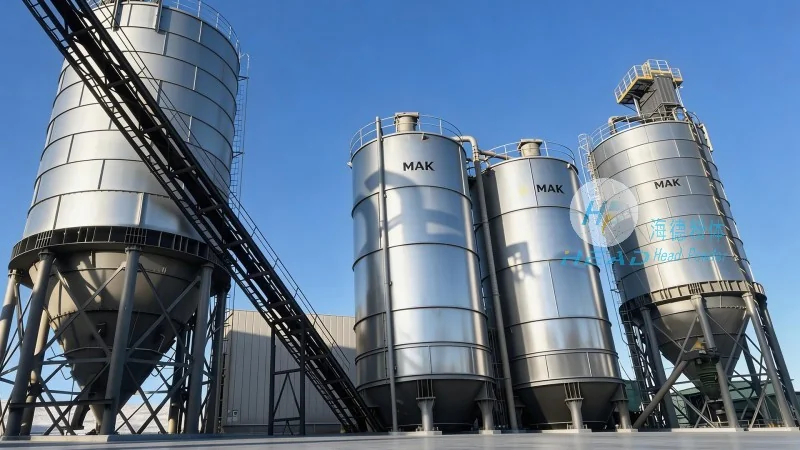
Operation Process of the Conveying Line
The operation of a fly ash material conveying line begins with the collection of fly ash from the boiler or other emission sources. The material is then fed into the system via a hopper or feeder, which ensures a steady supply. The feeder adjusts its speed based on the material flow rate, maintaining a consistent input to the conveyor. The conveyor then transports the fly ash to the designated storage or disposal location. During the process, the system continuously monitors parameters such as pressure, temperature, and flow rate to ensure that the operation remains within safe and efficient limits. Any deviations are immediately detected and corrected by the control unit, preventing potential issues like blockages or material spillage. This automated process minimizes human intervention and enhances the overall reliability of the system.
Working Principle of the Conveying System
The working principle of a fly ash material conveying line is based on the mechanical or pneumatic transport of material. In mechanical systems, such as belt conveyors, the material is moved by the rotation of a belt, which is driven by a motor. The belt, often made of rubber or other abrasion-resistant materials, carries the fly ash from the source to the destination. The speed of the belt is controlled to match the required material flow rate, ensuring that the system operates efficiently without overloading. In pneumatic systems, the material is transported using air pressure, where the fly ash is suspended in a stream of air and carried through a pipeline. This method is particularly useful for transporting fly ash over longer distances or in complex layouts, as it can navigate around obstacles and maintain a consistent flow. The choice between mechanical and pneumatic systems depends on factors such as the distance to be covered, the material characteristics, and the facility's layout.
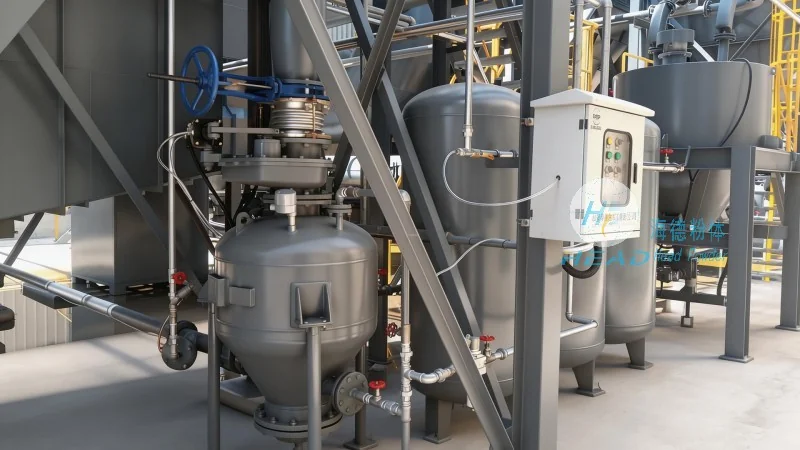
Advantages of the Fly Ash Material Conveying Line
The implementation of a fly ash material conveying line offers several advantages for industrial facilities. Firstly, it enhances operational efficiency by reducing the time and labor required for manual handling of fly ash. The automated system ensures a consistent and continuous flow of material, minimizing downtime and improving overall productivity. Secondly, it improves safety by eliminating the need for workers to handle hazardous materials manually, reducing the risk of accidents and exposure to harmful particles. Thirdly, it enhances environmental compliance by ensuring that fly ash is transported in a controlled manner, preventing spills and contamination of the surrounding environment. Additionally, the system's durability and low maintenance requirements contribute to long-term cost savings for the facility. These benefits make the fly ash material conveying line a valuable investment for any industrial operation dealing with fly ash.
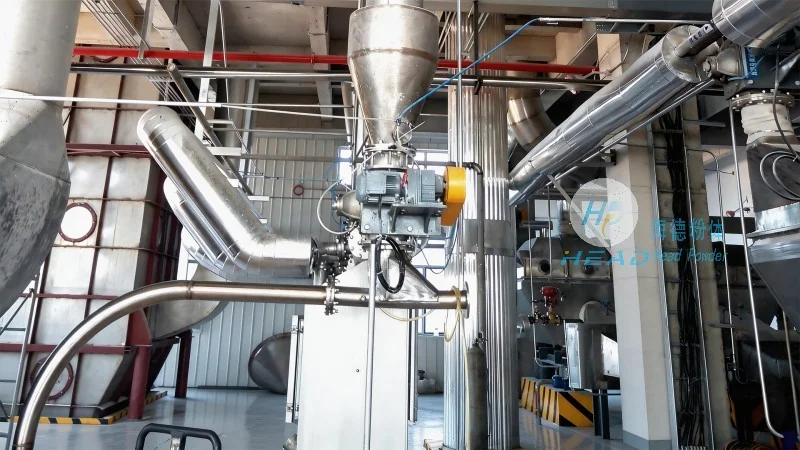
Applications and Industries
Fly ash material conveying lines are widely used in various industries, particularly in the power generation sector. Thermal power plants, which rely on coal combustion, utilize these systems to transport fly ash from the boiler to storage silos or disposal sites. Additionally, other industries that generate fly ash, such as cement production and industrial boilers, also benefit from these systems. The versatility of the conveying line allows it to be adapted to different material characteristics and operational requirements, making it a valuable asset for facilities dealing with fine particulate materials. Whether in a large-scale power plant or a smaller industrial facility, the fly ash material conveying line provides a reliable solution for material handling.
Conclusion
In conclusion, the fly ash material conveying line is a critical component in the efficient management of fly ash from industrial sources. By understanding its operation process and working principle, facilities can optimize their material handling processes, improve safety, and enhance environmental compliance. The system's design, incorporating durable components and advanced control technology, ensures reliable and continuous operation, contributing to the overall efficiency and sustainability of industrial operations. As the demand for effective waste management solutions continues to grow, the fly ash material conveying line remains a vital technology for modern industrial facilities. Shandong HeadPowder Engineering Co., Ltd. remains committed to providing high-quality, customized solutions that meet the evolving needs of the industry.