

Operation Process and Working Principle of Coal and Sand Material Conveying Lines
Coal and sand material conveying lines are critical infrastructure in industrial settings, particularly in sectors like mining, construction, and material processing. These systems are engineered to efficiently transport bulk materials such as coal, sand, and other granular substances over varying distances or within complex processing facilities. The proper operation and understanding of the working principles of these conveying lines are essential for optimizing material handling efficiency, reducing operational costs, and ensuring workplace safety.
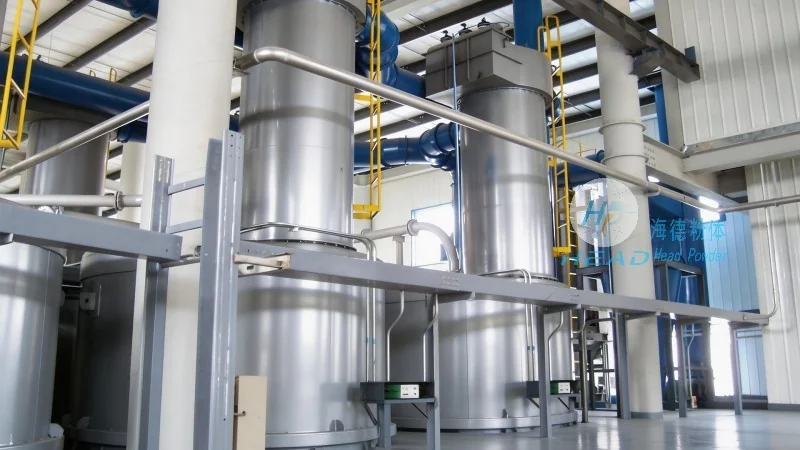
About Shandong HeadPowder Engineering Co., Ltd.
Shandong HeadPowder Engineering Co., Ltd., operating under the brand name HeadPowder, is a reputable manufacturer and supplier of advanced material handling solutions. HeadPowder specializes in the design, development, and installation of coal and sand material conveying lines that cater to diverse industrial needs. With a commitment to innovation and quality, the company leverages years of expertise in engineering and material handling to deliver reliable, durable, and high-performance conveying systems. HeadPowder's focus on customer-centric solutions ensures that their products meet the specific requirements of clients, contributing to enhanced productivity and operational efficiency in various industrial applications.
Key Components of Coal and Sand Material Conveying Lines
The effective operation of a coal and sand material conveying line relies on several key components that work in synergy. The primary components include the feeding hopper or inlet, which serves as the entry point for the material. This component ensures a controlled and consistent flow of material into the conveyor system. The conveyor mechanism itself, which may be a belt conveyor, screw conveyor, or pneumatic conveyor, is responsible for transporting the material along the designated path. Belt conveyors utilize a continuous belt with rollers to move the material, while screw conveyors use rotating flights to push the material forward. Pneumatic conveyors, on the other hand, employ air pressure to transport the material through a pipeline. The drive system, typically powered by electric motors and gearboxes, provides the necessary mechanical force to operate the conveyor. Control units, equipped with sensors and automation technology, regulate the speed, direction, and flow of the material, ensuring precise and efficient operation. Safety features such as overload protection, emergency stop buttons, and material detection sensors are integrated to prevent equipment damage and ensure operator safety.
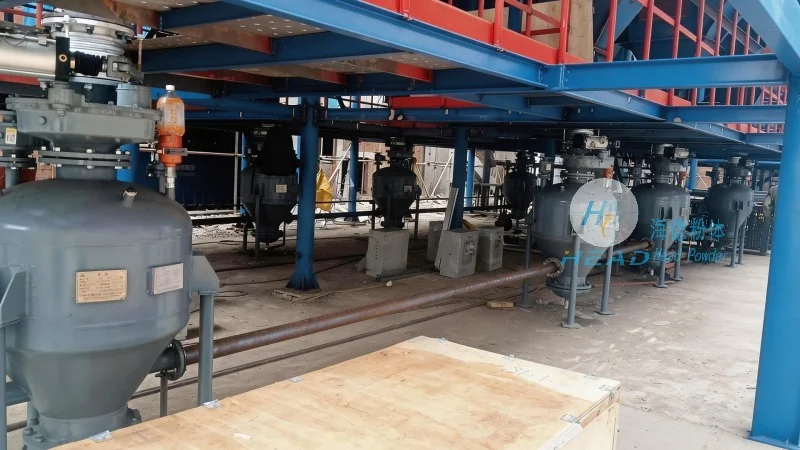
Operation Process of Coal and Sand Material Conveying Lines
The operation of a coal and sand material conveying line begins with the loading of the material into the feeding hopper. The material is then fed into the conveyor system, where it is transported along the designated path. The conveyor mechanism moves the material from the inlet to the discharge point, which may be located at the end of the line or within a processing facility. As the material travels, it may undergo additional processes such as screening, sorting, or mixing, depending on the industrial requirements. The control unit monitors the system's performance, adjusting the speed and flow as needed to maintain optimal operation. The discharge point releases the material for further processing or storage. Throughout the operation, safety systems are activated to prevent overloading, blockages, or other issues that could compromise the system's performance or safety.
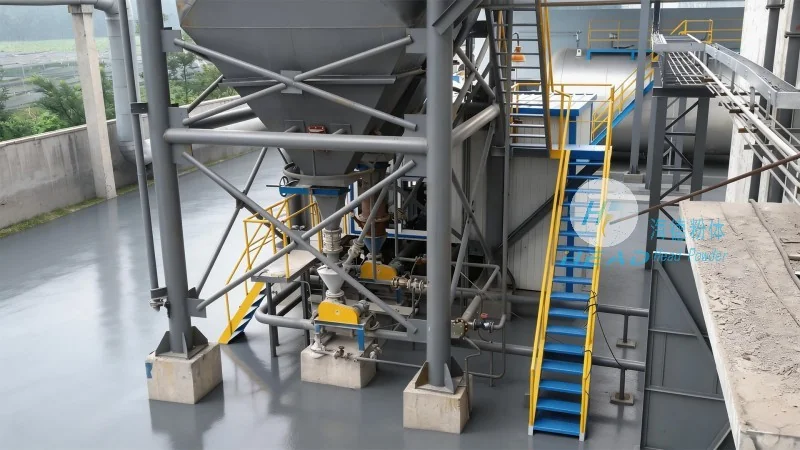
Working Principle of Coal and Sand Material Conveying Lines
The working principle of coal and sand material conveying lines is centered on the application of mechanical force to move bulk materials. The feeding mechanism ensures a consistent flow of material into the conveyor, which is then propelled along the path by the conveyor mechanism. The drive system supplies the power to operate the conveyor, while the control unit manages the operational parameters. Safety features are integrated to prevent operational hazards and ensure the system runs smoothly. The entire process is designed to be efficient, reliable, and safe, enabling industrial facilities to handle large volumes of material with minimal downtime and operational costs.
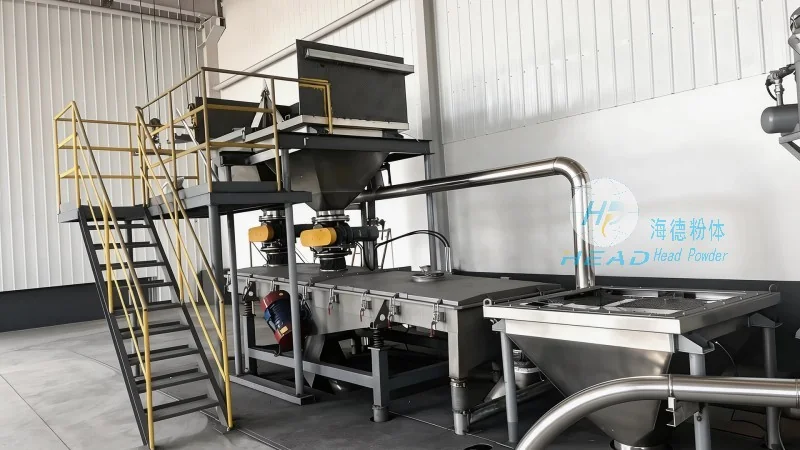
Benefits of Using Coal and Sand Material Conveying Lines
Implementing coal and sand material conveying lines offers numerous benefits to industrial operations. These systems enhance productivity by enabling the efficient transport of bulk materials over long distances or within complex facilities. By automating the material handling process, conveying lines reduce the need for manual labor, minimizing human error and improving safety. The consistent and controlled flow of material also ensures that processing equipment operates at optimal levels, reducing downtime and maintenance costs. Additionally, the durability and reliability of modern conveying systems contribute to long-term operational efficiency, making them a cost-effective solution for industrial material handling needs.
Application Examples of Coal and Sand Material Conveying Lines
Coal and sand material conveying lines are widely used in various industrial applications. In mining operations, these systems are used to transport coal from mines to processing plants or storage facilities. In construction sites, they help move sand and gravel for concrete production or site preparation. The manufacturing industry also utilizes conveying lines to transport raw materials like sand and coal for production processes. Each application benefits from the efficient and reliable transport capabilities of these systems, ensuring smooth material flow and operational continuity.