

Operation Process and Working Principle of Spice Material Conveying Lines
Spice material conveying lines are essential systems in the spice processing industry, designed to efficiently transport various spice powders and granules from processing units to storage or packaging areas. These lines are engineered to maintain product integrity, ensuring that spices retain their flavor, aroma, and quality throughout the conveying process. The operation of such systems involves a combination of mechanical components and control mechanisms that work in harmony to achieve smooth and reliable material handling. As a leading manufacturer in the field, Shandong HeadPowder Engineering Co., Ltd. specializes in designing and supplying high-quality spice material conveying lines tailored to the specific needs of spice processing facilities.

Key Components of a Typical Conveying Line
A standard spice material conveying line typically consists of several core components, each playing a crucial role in the overall system. The primary components include feed hoppers, conveyor belts or screw conveyors, control panels, and discharge mechanisms. Feed hoppers are used to collect and hold the spice material before it is transferred to the conveyor. Conveyor belts, often made of food-grade materials like stainless steel or food-safe plastics, are designed to handle the delicate nature of spices without causing contamination or degradation. Screw conveyors are another common option, especially for granular or powdered spices, as they can provide gentle, low-impact movement that prevents product damage. Control panels are equipped with sensors and controls that monitor the flow rate, pressure, and other parameters to ensure optimal operation. Discharge mechanisms, such as chutes or rotary valves, regulate the release of the spice material to the next stage of processing or packaging.
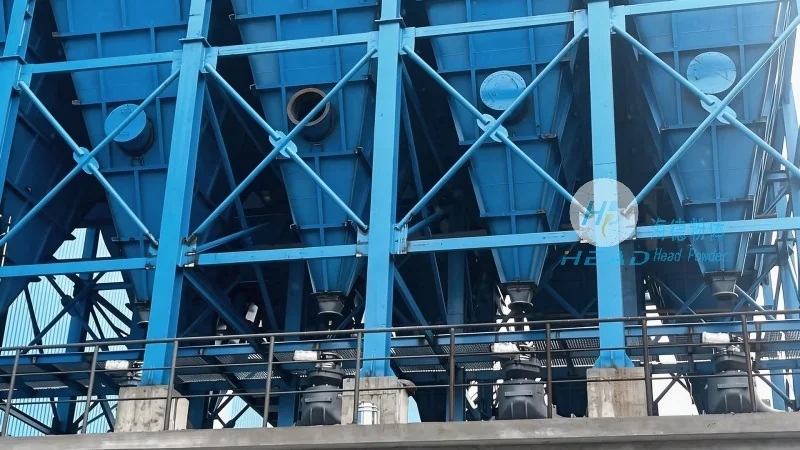
The Operation Process of a Spice Material Conveying Line
The operation of a spice material conveying line begins with the loading of the spice material into the feed hopper. The material is then drawn into the conveyor system by gravity or by the movement of the conveyor belt or screw. As the material moves through the line, it is continuously monitored by sensors that detect any blockages or irregularities. The control panel adjusts the speed of the conveyor or the flow rate of the material to maintain a consistent and steady operation. Once the material reaches the discharge point, it is released into the next processing stage or directly into packaging containers. The entire process is designed to be automated, with minimal human intervention required, ensuring efficiency and consistency in the handling of spice materials.
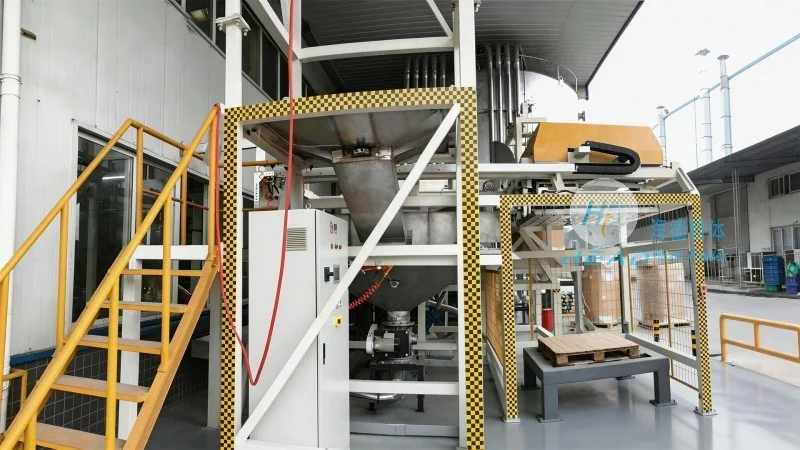
Working Principle of the Conveying Mechanism
The working principle of a spice material conveying line is based on the principles of mechanical transport. For belt conveyors, the material is placed on the moving belt and carried along the length of the line by the belt's motion. The belt is driven by a motor, which rotates the drive pulley, causing the belt to move. The speed of the belt can be adjusted to control the flow rate of the material. For screw conveyors, the material is pushed along the screw's helical flight by the rotation of the screw. The screw's rotation creates a positive displacement, moving the material forward. The pitch and diameter of the screw determine the capacity and the pressure exerted on the material. Both systems rely on the principle of continuous movement to transport the spice material without the need for manual handling, reducing labor costs and improving safety in the workplace.
Ensuring Product Integrity and Quality
One of the critical aspects of spice material conveying lines is maintaining the integrity and quality of the spice products. The materials used in the construction of the conveying line, such as stainless steel and food-grade plastics, are chosen for their non-reactive properties, preventing any contamination from the conveyor surfaces. The design of the system, including the smooth surfaces and gentle movement of the conveyor, minimizes the risk of product degradation, such as clumping or loss of aroma. Additionally, the control systems monitor temperature and humidity levels within the line to prevent spoilage or mold growth. Regular maintenance and cleaning of the conveying line are also essential to ensure that the system operates efficiently and that the spice products remain in optimal condition.

Applications in the Spice Industry
Spice material conveying lines are widely used in various stages of the spice processing industry. They are commonly employed in the initial stages of processing, where raw spices are transported from storage to grinding or milling units. The lines are also used in the packaging stage, where processed spices are moved from storage to packaging machines. Additionally, conveying lines are used in quality control processes, where samples of the spice material are taken from the line for testing and analysis. The versatility of these systems makes them suitable for handling a wide range of spice products, from ground spices to whole spices and spice blends.