

Operation Process and Working Principle of Sediment Material Conveying Lines
Sediment material conveying lines are essential in various industrial and construction applications, designed to transport loose materials such as sand, gravel, and other granular substances efficiently and safely. These systems play a crucial role in optimizing material handling processes, reducing labor costs, and enhancing operational efficiency in projects ranging from mining and quarrying to construction and environmental management. The design and functionality of sediment material conveying lines are tailored to handle the unique characteristics of these materials, ensuring reliable performance under diverse operational conditions.
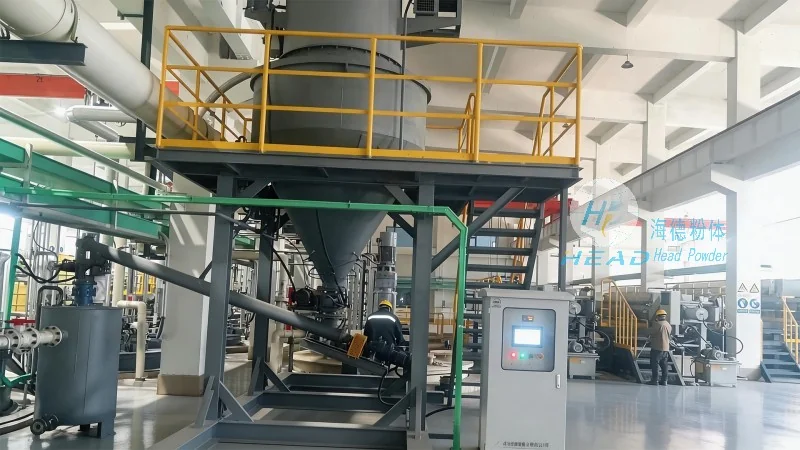
About Shandong HeadPowder Engineering Co., Ltd.
HeadPowder, a leading manufacturer in the field of material handling equipment, specializes in the design, manufacturing, and installation of advanced sediment material conveying systems. With a strong presence in China, particularly in Shandong, the company has built a reputation for delivering high-quality, durable, and efficient solutions tailored to meet the specific needs of clients. HeadPowder's expertise lies in understanding the complexities of sediment material handling and providing customized solutions that enhance productivity and safety in material transport operations.
Working Principle of Sediment Material Conveying Lines
The core working principle of sediment material conveying lines revolves around the use of mechanical components to move loose materials from one location to another. Typically, these systems incorporate components such as feed hoppers, conveyor belts or buckets, drive mechanisms, and control systems. The process begins with the material being fed into the hopper, where it is then transferred to the conveyor system. Depending on the design, the material may be transported via a belt conveyor, a bucket elevator, or a screw conveyor. The drive mechanism, often powered by electric motors, provides the necessary force to move the material along the conveyor path. Control systems ensure the smooth operation of the conveyor, adjusting speed and direction as needed to maintain optimal material flow.
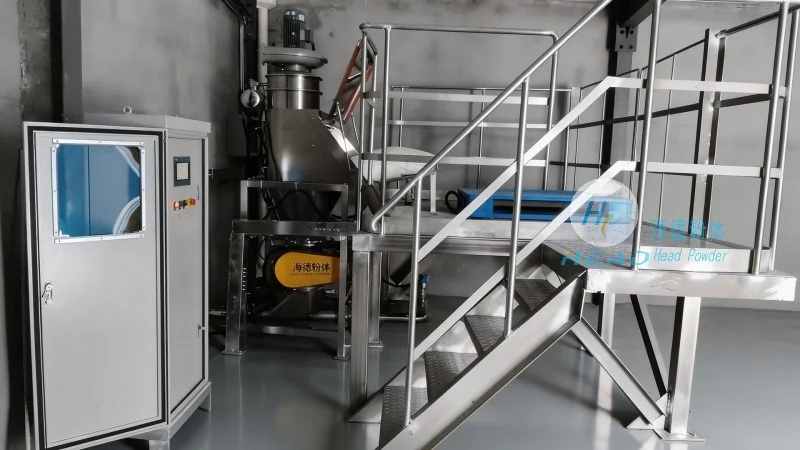
Operation Process of Sediment Material Conveying Lines
The operation of a sediment material conveying line involves several key steps that ensure efficient and continuous material transport. First, the material is loaded into the feed hopper, which may be equipped with a feeder to regulate the flow rate. The feeder ensures a consistent supply of material to the conveyor, preventing overloading or underloading. Next, the material is transferred to the conveyor system, where it moves along the designated path. The conveyor may be inclined or horizontal, depending on the layout of the facility. As the material travels, it is transported to the discharge point, where it is collected and used for further processing or application. Throughout the operation, the system is monitored by control panels that allow operators to adjust parameters such as speed, tension, and material flow rate. Regular maintenance is also crucial to ensure the longevity and reliability of the conveying line, including checks on components like belts, bearings, and drive systems.
Key Components and Their Functions
Several critical components make up a sediment material conveying line, each playing a vital role in the overall operation. The feed hopper is the initial point of material intake, designed to store and regulate the flow of sediment. It may include features such as a gate or valve to control the amount of material entering the conveyor. The conveyor itself, whether a belt or bucket type, is responsible for transporting the material. Belt conveyors use a continuous belt that moves over rollers, while bucket elevators use a series of buckets attached to a chain or belt that lifts and moves the material vertically. The drive mechanism, typically an electric motor connected to a gearbox, provides the power to move the conveyor. Tensioning systems are also essential to maintain the proper tension on the conveyor belt, preventing slippage or damage. Control systems, including sensors and a control panel, monitor the operation and allow for adjustments to ensure smooth and efficient material transport.
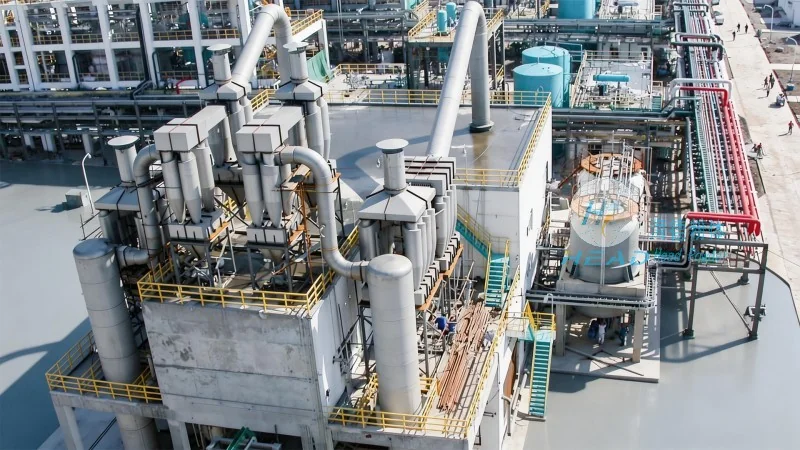
Advantages of Using Sediment Material Conveying Lines
Implementing sediment material conveying lines offers numerous advantages for industrial and construction operations. One of the primary benefits is the significant reduction in labor costs, as automated systems handle material transport without the need for manual handling. This not only saves money but also improves safety by minimizing the risk of accidents associated with manual material handling. Additionally, these systems enhance operational efficiency by providing continuous and reliable material flow, reducing downtime and increasing productivity. The ability to transport materials over long distances and at various heights makes sediment material conveying lines versatile for a wide range of applications. Furthermore, the systems are designed to handle abrasive materials like sand and gravel, which can be harsh on equipment, ensuring durability and longevity. Environmental benefits are also realized, as these systems reduce dust and noise pollution compared to traditional methods of material transport.
Applications in Different Industries
Sediment material conveying lines are widely used across various industries, each with specific requirements for material handling. In the mining industry, these systems are used to transport ore and other minerals from the mine site to processing facilities. In construction, they are employed to move sand, gravel, and other aggregates to building sites, ensuring a steady supply of materials for concrete and other construction materials. The environmental sector also utilizes sediment material conveying lines for tasks such as dredging and sediment removal, where the efficient transport of loose materials is critical. Additionally, in the agricultural sector, these systems may be used to transport soil and other materials for farming operations. The adaptability of sediment material conveying lines makes them suitable for a variety of applications, from small-scale projects to large industrial operations.