

Operation Process and Working Principle of Potash Fertilizer Material Conveying Lines
At Shandong HeadPowder Engineering Co., Ltd., we specialize in the design, manufacturing, and installation of advanced potash fertilizer material conveying systems. Our expertise lies in creating efficient and reliable solutions that ensure the smooth transportation of potash fertilizer from storage to processing units. The following sections will delve into the operation process and working principles of these crucial systems, highlighting the key components and mechanisms that contribute to their effectiveness.
Key Components of the Conveying Line
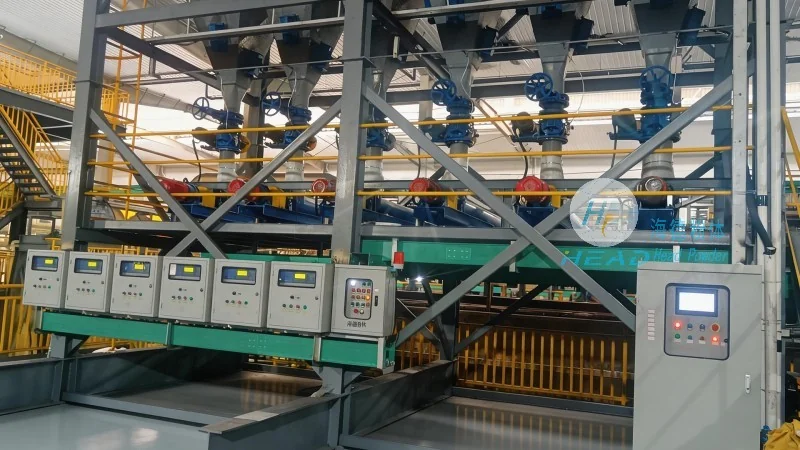
The potash fertilizer material conveying line typically consists of several integral components that work in tandem to achieve optimal performance. These include feed hoppers, conveyor belts or screw conveyors, control systems, and discharge mechanisms. Each component plays a vital role in the overall functionality of the system. The feed hopper is responsible for receiving and storing the raw potash fertilizer, ensuring a consistent supply to the conveyor. The conveyor itself, whether a belt conveyor or a screw conveyor, is the core element that transports the material through the system. Modern systems often incorporate variable speed drives and tension control mechanisms to maintain stable operation and prevent material blockages. The control system, equipped with sensors and automation software, monitors the flow rate, pressure, and temperature of the material, adjusting the conveyor speed as needed to maintain optimal conditions. Finally, the discharge mechanism, such as a rotary valve or a gate valve, regulates the release of the fertilizer into the next processing stage.
Operation Process of the Conveying Line
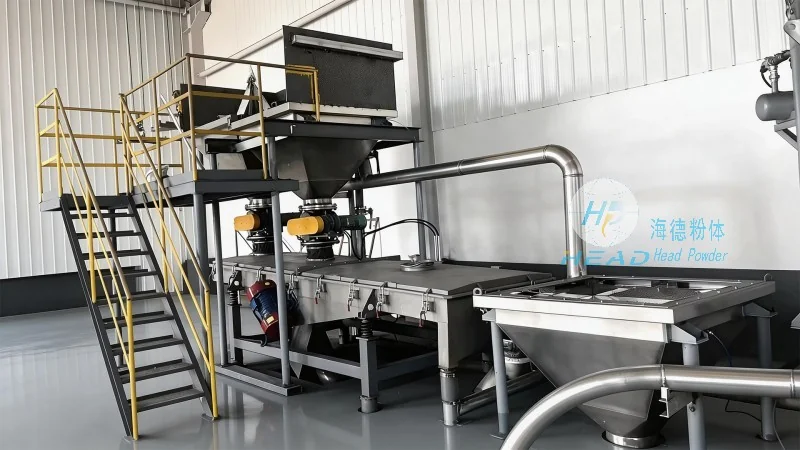
The operation of a potash fertilizer material conveying line begins with the loading of the raw material into the feed hopper. The hopper is designed with a sloped bottom to facilitate the flow of the material into the conveyor. Once the material is in the hopper, the control system activates the conveyor, which then transports the fertilizer to the processing unit. The conveyor speed is adjusted based on the material's characteristics, such as its moisture content and bulk density, to prevent overloading or underloading. As the material moves through the conveyor, sensors continuously monitor its flow rate and any potential blockages. If a blockage is detected, the control system automatically reduces the conveyor speed or stops it to prevent damage to the equipment. The discharge mechanism then releases the material into the next stage of processing, such as grinding or packaging. This process is repeated continuously, ensuring a steady supply of potash fertilizer to the production line.

Working Principles of the Conveying Line
The working principle of a potash fertilizer material conveying line is based on the mechanical transport of bulk materials using conveyor systems. The primary goal is to move the material from one location to another with minimal energy consumption and maximum efficiency. The system operates by utilizing the force of gravity and the friction between the material and the conveyor surface to move the fertilizer. In belt conveyors, the material is placed on the moving belt and is carried forward by the belt's motion. The belt is driven by a motor and gearbox, which provides the necessary torque to move the material. Screw conveyors, on the other hand, use a rotating screw to push the material forward. The screw's rotation creates a pressure gradient that moves the material along the conveyor. Both systems are designed to handle the abrasive and corrosive nature of potash fertilizer, with materials such as stainless steel or special alloys used for the conveyor components to ensure durability and longevity. The control system plays a critical role in maintaining the stability of the conveying process by adjusting the speed and tension of the conveyor, as well as monitoring the material flow and detecting any anomalies that could affect the operation.
Advantages of Our Conveying Solutions
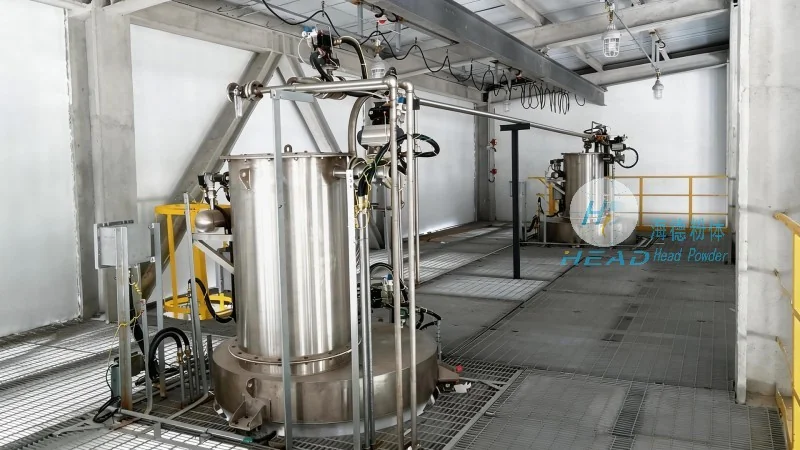
Our potash fertilizer material conveying lines offer several advantages that make them ideal for industrial applications. First, they provide high efficiency and reliability, ensuring consistent material flow and minimal downtime. The use of advanced control systems and sensors helps to prevent blockages and maintain optimal operating conditions. Second, our systems are designed for durability and longevity, with components made from high-quality materials that can withstand the harsh conditions of potash fertilizer processing. Third, the modular design of our conveying lines allows for easy installation and maintenance, reducing the overall cost of ownership. Finally, our solutions are customizable to meet the specific needs of each client, ensuring that the system is tailored to the unique requirements of their production process.