

[Bread Flour Material Conveying Line: Operation Process and Working Principle]
Efficient material handling is a critical component in modern food processing facilities, particularly in the production of bread and baked goods. The bread flour material conveying line, developed by Shandong HeadPowder Engineering Co., Ltd., represents a sophisticated solution designed to streamline the movement of flour and other dry ingredients from storage to production areas. This system ensures consistent quality, minimizes human error, and enhances overall operational efficiency.
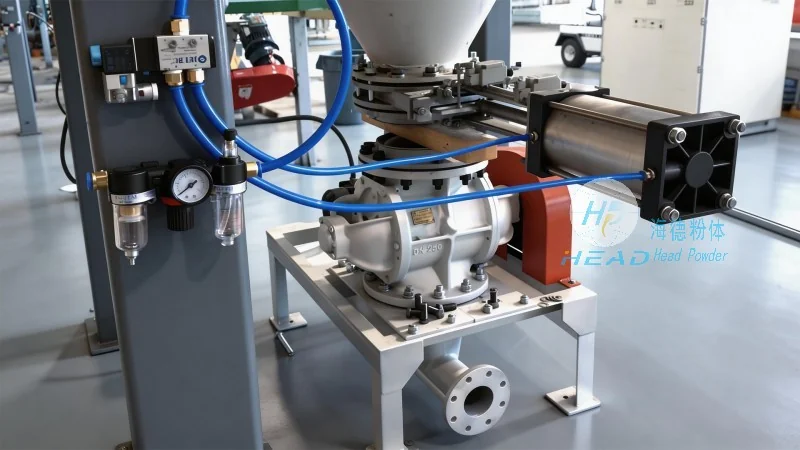
Overview of the Conveying Line System
The bread flour material conveying line is a comprehensive setup that integrates various components to facilitate the seamless transfer of flour and related materials. At its core, the system comprises storage silos, conveyor belts, pneumatic transport systems, and control panels. Each component is strategically positioned to optimize workflow and maintain product integrity. The design is tailored to handle bulk quantities of flour, ensuring that the material is transported without segregation or degradation.
Key Components and Their Functions
The conveying line consists of several key components, each playing a vital role in the overall operation. The storage silos are used to store large volumes of flour, providing a stable and controlled environment. These silos are equipped with level sensors to monitor the material level, ensuring that the system operates efficiently without overfilling or underfilling. The conveyor belts, typically made of food-grade materials, transport the flour from the silos to the processing areas. These belts are designed to handle dry, fine powders without causing dust or caking. Pneumatic transport systems are also integrated to handle smaller quantities or to transport materials to elevated locations, offering flexibility in the production layout.
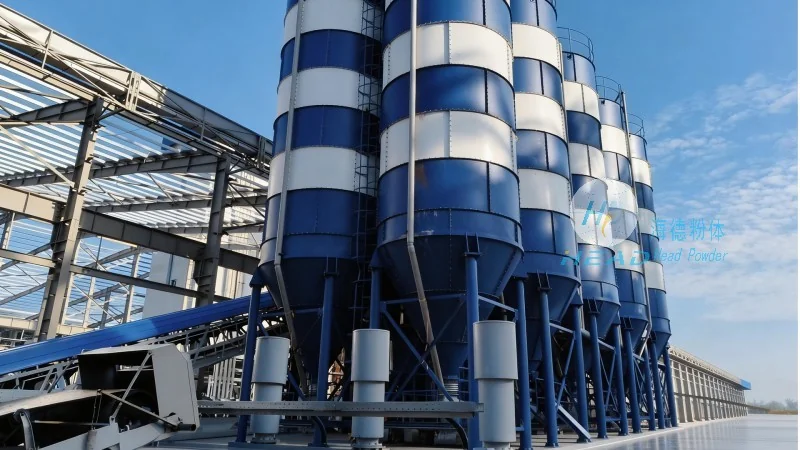
Operation Process: Step-by-Step Workflow
The operation of the bread flour material conveying line follows a systematic workflow that ensures smooth and continuous material transfer. The process begins with the loading of flour into the storage silos. Once the silos are filled, the control panel activates the conveyor system. The flour is then transferred from the silos to the conveyor belts, which move the material to the production line. The pneumatic transport system may be engaged to transport flour to specific processing stations or to feed into mixing equipment. Throughout the process, sensors and monitoring systems track the flow rate and material level, providing real-time data to operators. This allows for adjustments to be made promptly, ensuring that the production line receives a consistent supply of flour.
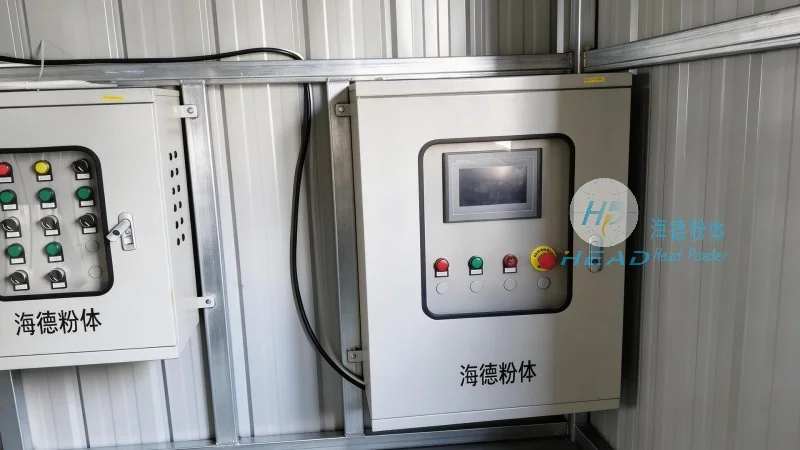
Working Principle: Mechanical and Control Integration
The working principle of the bread flour material conveying line combines mechanical movement with advanced control systems. The mechanical components, such as conveyor belts and pneumatic pipes, are driven by electric motors that convert electrical energy into mechanical energy. The control panel, equipped with programmable logic controllers (PLCs), manages the operation of these components. The PLCs receive input from sensors and user commands, then process the data to control the speed and direction of the conveyors. This integration ensures that the system operates in a coordinated manner, minimizing downtime and maximizing productivity. The control system also includes safety features, such as emergency stop buttons and overload protection, to prevent accidents and ensure the safety of the operators.
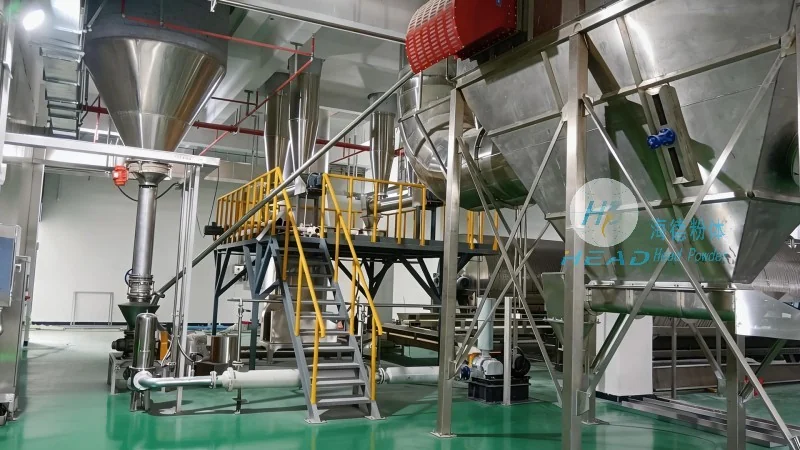
Benefits and Advantages of the Conveying Line
The bread flour material conveying line offers several benefits that enhance the efficiency and quality of bread production. By automating the material handling process, the system reduces labor costs and minimizes the risk of human error. The consistent flow of flour ensures that the final product has uniform quality, as the ingredients are mixed in the correct proportions. The system also reduces dust and contamination, maintaining a clean and safe working environment. Additionally, the modular design of the conveying line allows for easy expansion or modification, adapting to the changing needs of the production facility.
Conclusion
Shandong HeadPowder Engineering Co., Ltd. has developed a reliable and efficient bread flour material conveying line that addresses the challenges of modern bread production. The system's operation process and working principle are designed to optimize workflow, maintain product quality, and enhance operational efficiency. By integrating advanced control systems and robust mechanical components, the conveying line provides a durable and cost-effective solution for food processing facilities. The company's commitment to quality and innovation ensures that the bread flour material conveying line remains a leading solution in the industry.