

The Operation Process and Working Principle of Plaster Powder Material Conveying Lines
Plaster powder material conveying lines are sophisticated industrial systems engineered to efficiently transport plaster powder from storage silos to processing or packaging areas. These systems are critical in various industries, including construction and manufacturing, where consistent and reliable material handling is essential. The design of these lines addresses the unique properties of plaster powder, such as its fine particle size, low bulk density, and tendency to generate dust, ensuring that the material is moved safely and efficiently. The following sections provide a detailed overview of the operation process and working principles of plaster powder material conveying lines, highlighting key components, operational steps, and the underlying engineering principles.
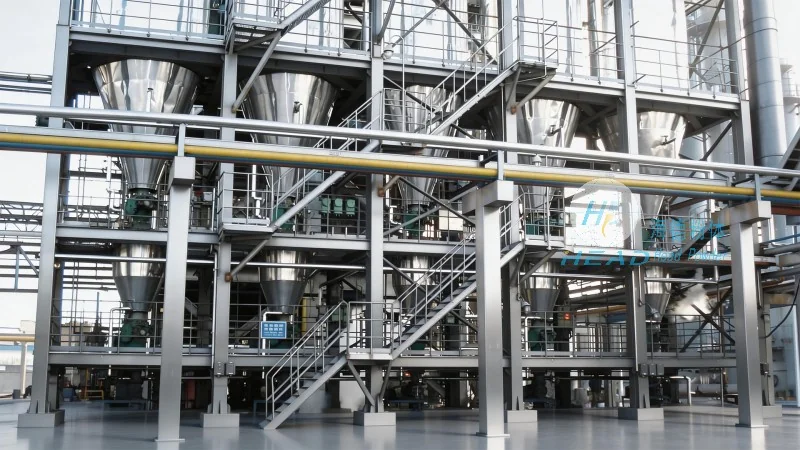
Key Components of Plaster Powder Conveying Systems
The core components of a plaster powder material conveying line typically consist of several interconnected parts, each serving a specific function in the material handling process. The primary components include storage silos, feeders, conveyors, control panels, and dust collection systems. Storage silos are large, airtight containers used to store bulk quantities of plaster powder, providing a stable source of material for the conveying system. Feeders, often located at the base of the silo, regulate the flow of powder into the conveyor, ensuring a consistent and controlled feed rate. Conveyors are the central part of the system, responsible for transporting the powder through the line. Common types of conveyors include screw conveyors, which use rotating screws to push the material forward, and pneumatic systems, which use compressed air to suspend and move the powder. Control panels are equipped with sensors and actuators that monitor and adjust system parameters, such as flow rate, pressure, and temperature, to maintain optimal operation. Dust collection systems are integrated to capture airborne particles, preventing contamination and maintaining a clean working environment.
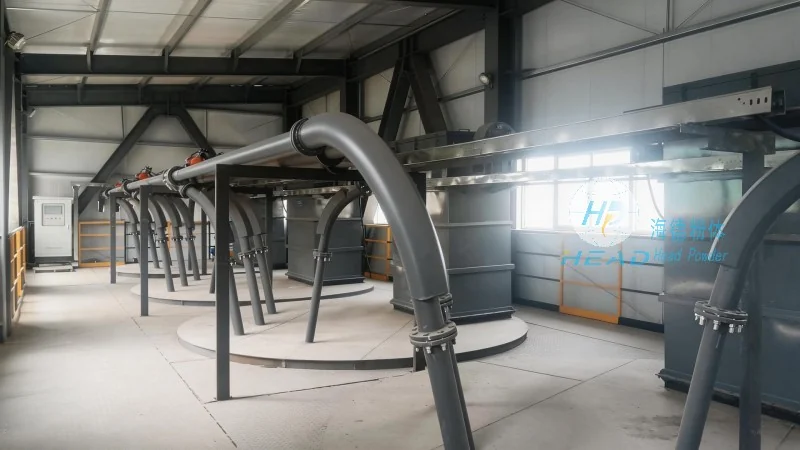
The Operation Process of Plaster Powder Conveying Lines
The operation process of a plaster powder material conveying line involves a series of sequential steps, each designed to ensure smooth and efficient material movement. The process begins with the material being discharged from the storage silo into the feeder. The feeder then controls the flow rate of the plaster powder, ensuring a steady supply to the conveyor. The conveyor transports the powder through the system, often passing through intermediate storage or processing units before reaching the final destination. For example, in a manufacturing facility, the powder may be conveyed to a mixer for blending with other ingredients, or to a packaging machine for final product preparation. Throughout the process, the control panel continuously monitors key parameters, such as flow rate, pressure, and temperature, to detect any deviations and adjust the system accordingly. If an issue is detected, the control system may trigger alarms or automatically adjust settings to maintain the system's performance. The dust collection system operates in parallel, capturing any airborne particles to prevent contamination and ensure air quality remains within safe limits.
Working Principles of Plaster Powder Conveying Systems
The working principles of plaster powder material conveying lines are based on mechanical and pneumatic engineering principles tailored to the characteristics of plaster powder. Mechanical conveyors, such as screw conveyors, operate by using rotating screws to push the powder forward. The screw's rotation creates a pressure gradient that moves the material along the conveyor, leveraging the material's bulk density and friction to achieve movement. Pneumatic systems, on the other hand, use compressed air to create a flow of air and powder. The powder is suspended in the air stream and transported through the line, with the air pressure and velocity controlling the flow rate. The choice of conveyor type depends on factors like the powder's moisture content, particle size distribution, and required flow rate. Additionally, the system incorporates sealing and lubrication mechanisms to minimize material leakage and ensure long-term durability. The control system integrates sensors and actuators to automate the operation, allowing for real-time adjustments and maintaining the system's efficiency. For instance, if the powder flow rate decreases, the control system may increase the air pressure or adjust the screw speed to restore optimal flow.
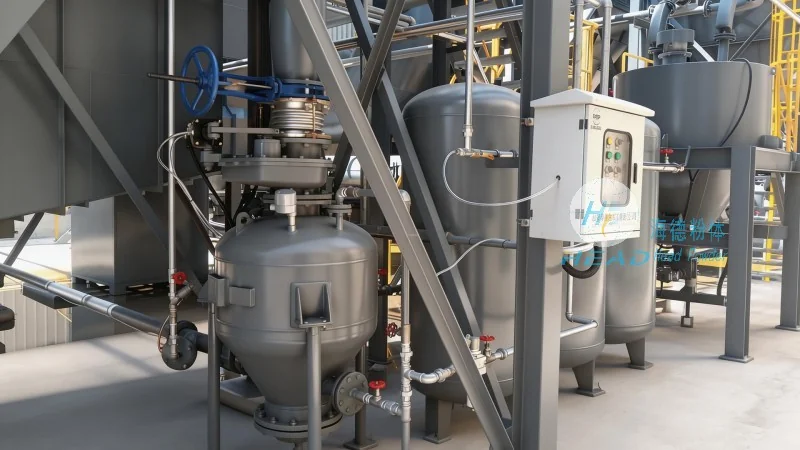
Benefits and Applications of Plaster Powder Conveying Lines
Plaster powder material conveying lines offer significant benefits for industrial applications, including improved material handling efficiency, reduced labor costs, and enhanced safety. These systems are widely used in the construction industry for transporting plaster powder to job sites, where consistent supply is crucial for project timelines. In manufacturing facilities, the systems are used to process and package plaster products, ensuring high-quality output and minimal waste. The consistent flow and minimal dust generation provided by these systems contribute to higher product quality and reduced contamination risks. Furthermore, the automated control features allow for precise material delivery, enabling production processes to run smoothly and on schedule. The integration of dust collection systems also improves workplace safety by reducing airborne particles, which can cause respiratory issues or other health problems. Overall, plaster powder material conveying lines are essential for optimizing material handling in industrial settings, providing reliable and efficient solutions for various applications.