

Operation Process and Working Principle of Rice Husk Powder Material Conveying Line
For industries dealing with rice husk powder, an efficient material conveying line is crucial for maintaining production efficiency and ensuring product quality. The operation process and working principle of the rice husk powder material conveying line, provided by Shandong HeadPowder Engineering Co., Ltd., is designed to meet the specific needs of material handling in this sector. This article will detail the key components, operational steps, and the underlying principles that enable smooth and reliable material transport.
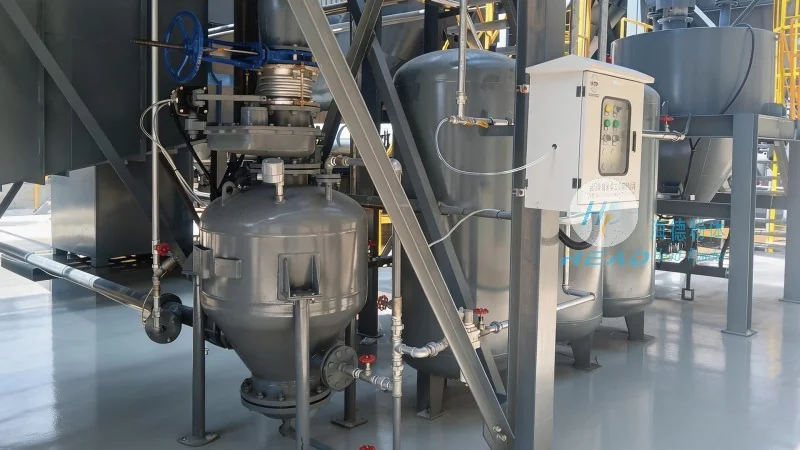
Overview of the Conveying Line System
The rice husk powder material conveying line typically consists of several integrated components, including feeders, conveyors, control systems, and dust collection units. Each component plays a vital role in the overall process, working in tandem to ensure that rice husk powder is moved from the source to the processing or storage areas without loss or contamination. The system is engineered to handle the unique properties of rice husk powder, such as its light weight, tendency to generate dust, and potential for static electricity, which require specialized handling techniques.
Key Components and Their Functions
1. Feeder: The feeder is the initial component that receives the rice husk powder from the storage silo or hopper. It ensures a consistent and controlled flow of material into the conveying system, preventing overloading or underflow that could disrupt the entire process. The feeder may be a screw feeder, vibratory feeder, or a rotary valve, depending on the specific requirements of the application. Its primary function is to regulate the material flow rate, which is critical for maintaining the efficiency of the downstream conveyor.
2. Conveyor: The conveyor is the core of the material conveying line, responsible for transporting the rice husk powder from the feeder to the destination. Common types of conveyors used in this application include belt conveyors, pneumatic conveyors, and bucket elevators. Belt conveyors are often preferred for their ability to handle bulk materials over long distances with minimal maintenance. Pneumatic conveyors, on the other hand, use air pressure to move the powder, which is particularly effective for dusty or fine materials like rice husk powder. The choice of conveyor type depends on factors such as the distance to be covered, the required capacity, and the need to minimize dust generation.
3. Control System: The control system is responsible for monitoring and regulating the operation of the entire conveying line. It includes sensors, controllers, and indicators that track the flow rate, pressure, and temperature of the material. The system can be automated to adjust the speed of the conveyor or the feed rate based on real-time conditions, ensuring optimal performance and preventing equipment damage. For example, if the conveyor is overloaded, the control system may reduce the feed rate or stop the conveyor to avoid breakdowns.
4. Dust Collection: Due to the fine nature of rice husk powder, dust generation is a common issue during material handling. The conveying line is equipped with a dust collection system, which typically includes a filter or cyclone separator to capture and remove dust particles from the air. This not only improves air quality in the workplace but also prevents dust from settling on equipment or affecting the quality of the final product. The dust collection system is usually integrated with the conveyor to ensure that all airborne particles are captured before they can escape into the environment.
Operation Process Step-by-Step
The operation of the rice husk powder material conveying line follows a systematic process that ensures smooth material transport. Here is a step-by-step breakdown of the typical operation:
1. Material Loading: The rice husk powder is first loaded into the storage silo or hopper. The silo is designed to hold a large quantity of material and is equipped with a level indicator to monitor the material level. When the material level reaches a certain point, the feeder is activated to start the material flow.
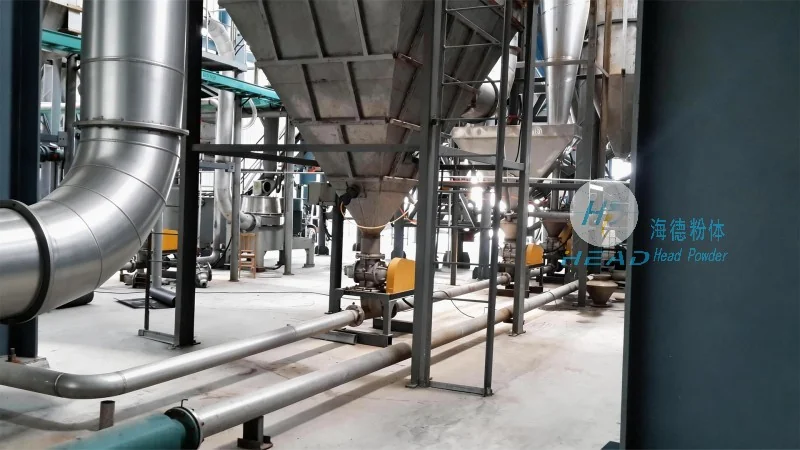
2. Feeder Operation: The feeder receives the rice husk powder from the silo and delivers it to the conveyor at a controlled rate. The feeder may adjust its speed based on the conveyor's capacity to maintain a consistent flow. This step ensures that the conveyor is not overloaded, which could lead to material spillage or equipment damage.
3. Conveyor Transport: The conveyor then transports the rice husk powder from the feeder to the destination, such as a processing machine or a storage silo. The conveyor may be a belt conveyor that moves the material along a fixed path, or a pneumatic conveyor that uses air pressure to lift and move the powder. The speed of the conveyor is controlled by the system to ensure that the material reaches the destination in a timely manner.
4. Destination Delivery: Once the material reaches the destination, it is discharged into the processing equipment or storage silo. The discharge point is designed to prevent material spillage and ensure that the material is delivered to the correct location. The system may include a discharge valve or a gate to control the flow of material out of the conveyor.
5. Dust Control: Throughout the operation, the dust collection system continuously captures and removes dust particles from the air. The collected dust is typically stored in a separate container for later disposal or reuse. This step ensures that the workplace remains clean and safe for operators.
Working Principle of the Conveying Line
The working principle of the rice husk powder material conveying line is based on the principles of fluid dynamics and mechanical transport. The system uses a combination of mechanical and pneumatic forces to move the material from the source to the destination. The key principles involved are as follows:
1. Gravity and Mechanical Force: In many conveying systems, gravity plays a role in moving the material, especially when the conveyor is inclined. The feeder and conveyor are designed to use the force of gravity to move the material downward, reducing the energy required for transport. Mechanical forces, such as the tension in a belt conveyor or the rotation of a screw conveyor, are also used to move the material along the path.
2. Pneumatic Conveying: For pneumatic conveyors, the working principle involves using compressed air to create a flow of material. The air is forced through a pipe or duct, and the rice husk powder is carried along with the air stream. The velocity of the air is sufficient to lift and move the powder, even over long distances. The pressure and flow rate of the air are carefully controlled to ensure that the material is transported efficiently without causing excessive wear on the equipment.
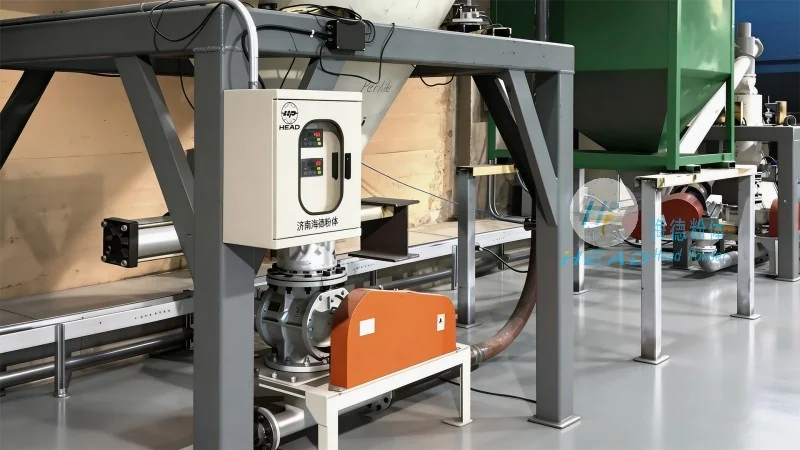
3. Electrostatic Control: Rice husk powder is prone to generating static electricity, which can cause material buildup or even fire hazards. The conveying line is designed with anti-static features, such as grounding the equipment or using conductive materials, to prevent static accumulation. This ensures that the material flows smoothly and safely through the system.
4. Dust Suppression: The dust collection system works on the principle of filtration or separation. The air containing dust particles is passed through a filter or cyclone separator, which captures the particles and allows clean air to pass through. The collected dust is then stored in a container for disposal or reuse. This principle is essential for maintaining air quality and preventing dust-related issues in the workplace.
Benefits of Using a Rice Husk Powder Material Conveying Line
Implementing a rice husk powder material conveying line offers several benefits for industries dealing with this material. These benefits include:
1. Increased Efficiency: The automated system ensures that material is transported consistently and efficiently, reducing downtime and increasing production output. The control system can adjust the flow rate and speed based on real-time conditions, optimizing the overall process.
2. Reduced Labor Costs: The conveyor line reduces the need for manual handling of rice husk powder, which can be labor-intensive and dangerous. The automated system minimizes the risk of accidents and reduces the need for manual labor, leading to lower labor costs.
3. Improved Product Quality: The system minimizes material loss and contamination, ensuring that the rice husk powder reaches the processing stage in optimal condition. The dust collection system prevents dust from settling on the material, which can affect its quality and performance.
4. Enhanced Safety: The conveying line is designed with safety features, such as anti-static measures and dust collection systems, to minimize the risk of accidents and improve workplace safety. The automated control system also reduces the risk of human error, which can lead to equipment damage or material spillage.