

Operation Process and Working Principle of Expanded Clay Aggregate Material Conveying Line
Expanded clay aggregate, also known as lightweight aggregate, is widely used in construction, landscaping, and other industrial applications due to its excellent thermal insulation, fire resistance, and lightweight properties. The material conveying line designed by Shandong HeadPowder Engineering Co., Ltd. is engineered to efficiently transport these aggregates from storage areas to processing or packaging stations, ensuring smooth and reliable operation in various production environments.
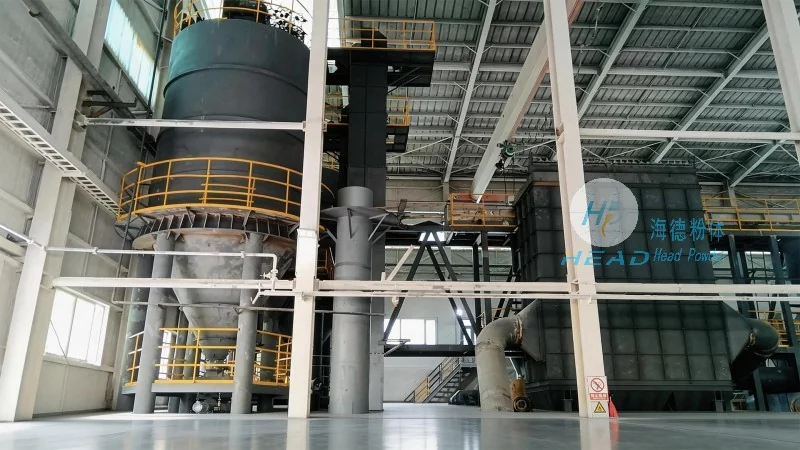
Overview of the Material Conveying Line
The conveying line typically consists of several key components, including hoppers, feeders, conveyor belts or screw conveyors, and control systems. Each component plays a crucial role in the overall operation, working in tandem to move the expanded clay aggregate through the system with minimal downtime and maximum efficiency. The design is tailored to handle the specific characteristics of expanded clay, such as its irregular shape and varying particle sizes, ensuring that the material flows smoothly without blockages or segregation.
Working Principle of the Conveying System
The operation begins with the material being loaded into the hopper from a storage silo or truck. A feeder, often a vibratory or rotary type, then regulates the flow of the aggregate into the conveyor system. For horizontal transport, a belt conveyor with appropriate tension and speed settings is used, while vertical lifts may employ screw conveyors or bucket elevators to maintain the material's momentum. The control system monitors parameters like flow rate, pressure, and temperature, adjusting the feeder speed or conveyor speed as needed to maintain consistent material movement. This closed-loop control ensures that the conveying process is stable and responsive to changes in production demand.
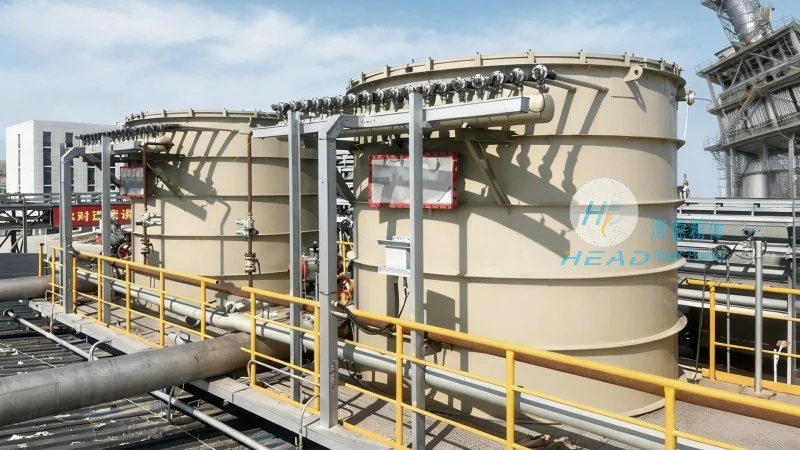
Key Components and Their Functions
1. Hopper: The hopper serves as the initial storage and feeding unit, providing a controlled volume of material to the feeder. Its design, with a sloped bottom and possibly a discharge gate, ensures that the material can be discharged evenly without causing buildup or bridging. 2. Feeder: The feeder is critical for regulating the material flow rate. Vibratory feeders use mechanical vibrations to move the material, while rotary feeders rely on rotating blades to push the aggregate forward. The speed of the feeder is adjusted based on the required output rate, preventing overloading of the conveyor. 3. Conveyor System: The conveyor, whether a belt or screw type, transports the material horizontally or vertically. Belt conveyors are suitable for larger particle sizes and higher capacities, while screw conveyors are ideal for smaller particles and vertical lifting. The conveyor speed is optimized to match the feeder output, maintaining a consistent flow. 4. Control System: The control system integrates sensors and actuators to monitor and adjust the conveying process. Sensors detect the material level in the hopper, the flow rate on the conveyor, and any blockages. Actuators adjust the feeder speed, conveyor speed, or tension, ensuring that the system operates within safe and efficient parameters. This automation reduces the need for manual intervention and minimizes operational errors.
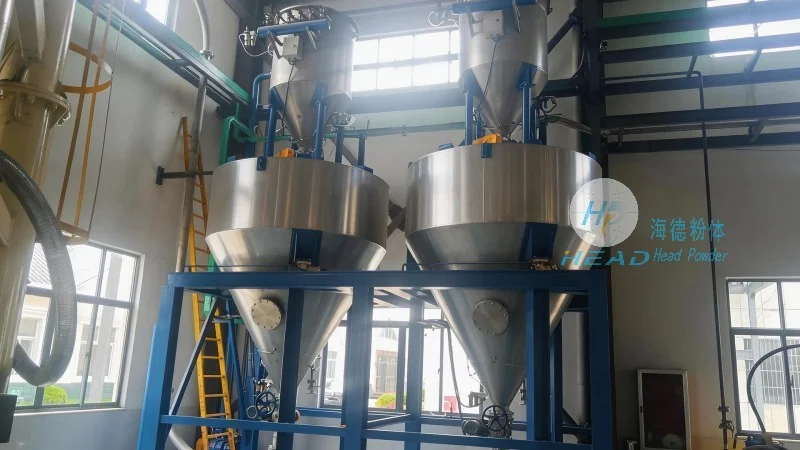
Operation Process Flow
The material conveying line operates in a sequential flow, starting with material intake and ending with delivery to the next stage of processing. The process can be broken down into the following steps: 1. Material Loading: Expanded clay aggregate is loaded into the hopper from a storage facility. 2. Feeder Activation: The feeder is activated, and the material begins to flow into the conveyor system. 3. Horizontal Transport: The conveyor transports the material horizontally to the next station, such as a screening or mixing unit. 4. Vertical Lift (if required): If the material needs to be moved to a higher level, a screw conveyor or bucket elevator is used to lift it vertically. 5. Delivery to Processing: The material is delivered to the processing equipment, where it is further processed or packaged. 6. System Monitoring: The control system continuously monitors all parameters, adjusting the system as needed to maintain optimal performance. This flow ensures that the material is transported efficiently and safely, with minimal loss or degradation.
Benefits of the Conveying Line
The expanded clay aggregate material conveying line from Shandong HeadPowder Engineering Co., Ltd. offers several benefits for industrial applications. First, it improves production efficiency by reducing material handling time and increasing throughput. The automated control system minimizes downtime, ensuring that the production line operates continuously. Second, it enhances safety by reducing the need for manual handling of heavy or bulky materials, minimizing the risk of accidents. Third, it maintains the quality of the expanded clay aggregate by preventing segregation and degradation during transport. The system's design also allows for easy maintenance and cleaning, reducing operational costs over time. Overall, the conveying line is a reliable and efficient solution for handling expanded clay aggregate in various industrial settings.