

Operation Process and Working Principle of Chloroprene Rubber Material Conveying Line
Chloroprene rubber, also known as neoprene, is a synthetic polymer widely used in various industrial applications due to its excellent resistance to oil, ozone, and weathering. The efficient handling and transportation of chloroprene rubber materials are crucial for maintaining production efficiency and product quality. This article provides a detailed overview of the operation process and working principle of a chloroprene rubber material conveying line, highlighting key components, operational steps, and the role of advanced engineering solutions.
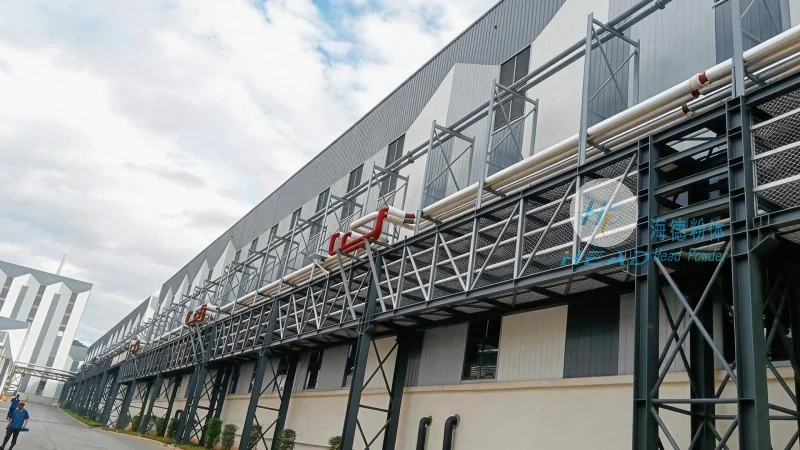
Key Components of the Conveying System
The chloroprene rubber material conveying line typically consists of several essential components that work in tandem to ensure smooth material flow. These components include feed hoppers, conveyor belts or screw conveyors, control panels, and safety mechanisms. Each component plays a critical role in the overall functionality of the system. The feed hopper is responsible for receiving and storing the chloroprene rubber granules or pellets, ensuring a consistent supply to the conveyor. The conveyor mechanism, which can be either a belt conveyor or a screw conveyor, transports the material from the hopper to the processing or storage area. Control panels equipped with sensors and automation systems monitor the flow rate, pressure, and temperature, allowing for real-time adjustments to maintain optimal operating conditions. Safety features such as emergency stop buttons and overload protection are integrated to prevent accidents and ensure operator safety.
Operation Process of the Conveying Line
The operation of a chloroprene rubber material conveying line follows a systematic sequence of steps to ensure efficient material handling. The process begins with the loading of chloroprene rubber into the feed hopper. Once the hopper is filled, the conveyor system is activated, and the material is transported along the conveyor path. The speed of the conveyor is controlled by the automation system to match the production requirements, ensuring a steady flow of material. As the material moves through the system, it may pass through additional processing stages such as screening or drying, depending on the specific application. The conveying line is designed to handle different particle sizes and moisture contents of chloroprene rubber, making it versatile for various industrial needs. The entire operation is monitored continuously to detect any anomalies, such as blockages or variations in flow rate, and corrective actions are taken promptly to maintain system performance.
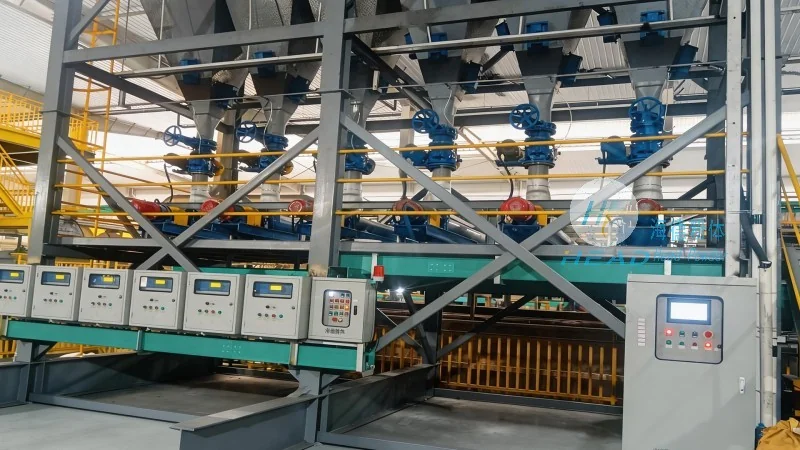
Working Principle of the Conveying System
The working principle of a chloroprene rubber material conveying line is based on mechanical energy transfer and material handling technology. The system utilizes gravity and mechanical force to move the chloroprene rubber from the feed point to the discharge point. In belt conveyors, the material is placed on the moving belt and transported by the friction between the belt and the material surface. Screw conveyors, on the other hand, use a rotating screw to push the material forward, providing a more controlled and consistent flow. The control system integrates sensors to measure parameters like temperature, pressure, and flow rate, and adjusts the conveyor speed or power output as needed. This closed-loop control ensures that the conveying line operates within optimal parameters, minimizing energy consumption and maximizing material throughput. The system is also designed with durability in mind, as chloroprene rubber can be abrasive and may cause wear on the conveyor components. High-quality materials and robust construction are employed to extend the lifespan of the equipment and reduce maintenance costs.
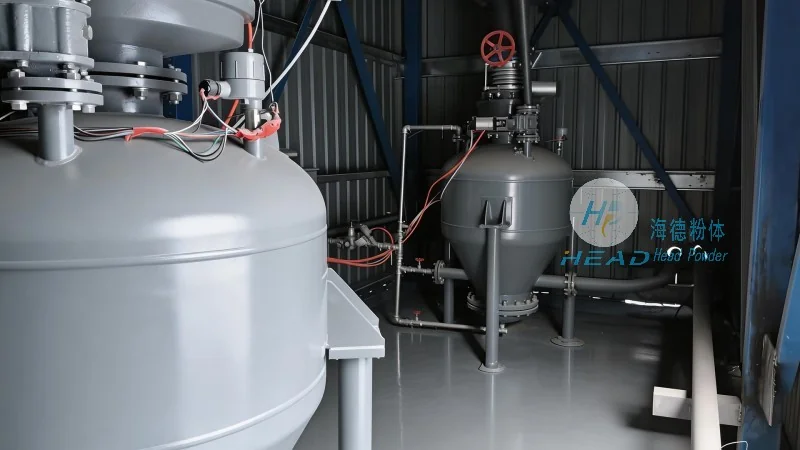
Role of Advanced Engineering in Material Handling
Modern chloroprene rubber material conveying lines incorporate advanced engineering solutions to enhance performance and reliability. These solutions include automated control systems, real-time monitoring, and predictive maintenance features. The automation system allows for remote monitoring and control, enabling operators to adjust settings from a central location. Real-time data collection provides insights into system performance, helping to identify potential issues before they escalate into major problems. Predictive maintenance algorithms analyze sensor data to predict equipment failures, allowing for proactive maintenance and reducing downtime. Additionally, the use of corrosion-resistant materials and specialized coatings in the conveyor components ensures that the system can withstand the chemical properties of chloroprene rubber, which may be aggressive in certain applications. The integration of these advanced features not only improves the efficiency of the conveying line but also contributes to cost savings and increased productivity in industrial settings.
Conclusion and Company Information
In conclusion, the operation process and working principle of a chloroprene rubber material conveying line are critical for the efficient handling of this important industrial material. The system's components, operational steps, and advanced engineering features work together to ensure smooth material flow, maintain product quality, and enhance overall production efficiency. As a leading provider of engineering solutions, Shandong HeadPowder Engineering Co., Ltd. specializes in designing and manufacturing high-quality conveying systems tailored to the specific needs of chloroprene rubber processing industries. With a focus on durability, reliability, and advanced technology, HeadPowder delivers solutions that meet the demands of modern industrial applications. The company's commitment to quality and customer satisfaction has established it as a trusted partner in the material handling sector, serving clients across China and beyond. For more information on chloroprene rubber material conveying lines and other engineering solutions, please contact Shandong HeadPowder Engineering Co., Ltd. located in Shandong, China.