

Operation Process and Working Principle of ABS Granule Material Conveying Line
Shandong HeadPowder Engineering Co., Ltd., a leading manufacturer based in Shandong, China, specializes in the design and production of advanced material handling systems. The company's expertise lies in creating efficient and reliable conveying solutions for various industrial applications, including the ABS granule material conveying line. This article provides a detailed overview of the operation process and working principle of such a system, highlighting the key components and mechanisms that ensure smooth material transport.
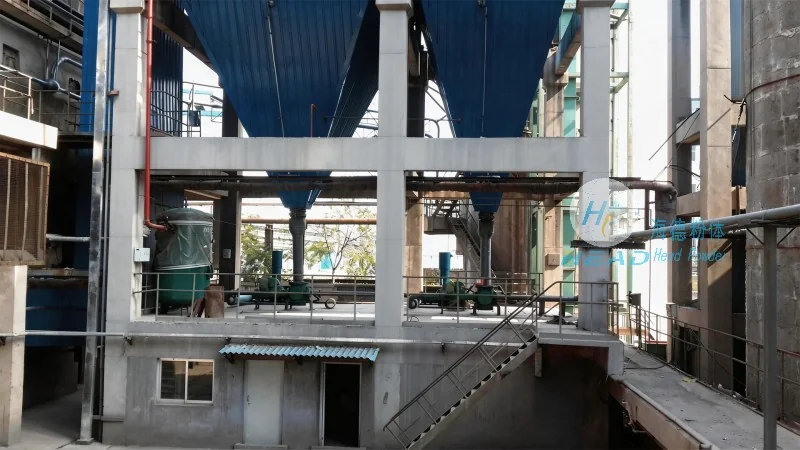
Introduction to ABS Granule Material Conveying Line
The ABS granule material conveying line is a specialized equipment designed to transport ABS (Acrylonitrile Butadiene Styrene) granules, a common thermoplastic used in manufacturing various products such as automotive parts, consumer electronics, and household items. The system is engineered to handle the unique properties of ABS granules, including their size, density, and flow characteristics, ensuring efficient and safe material movement from the storage hopper to the processing unit. HeadPowder, as a reputable company in the field, offers customized solutions tailored to meet the specific needs of clients, enhancing productivity and reducing operational costs.
Key Components of the Conveying Line
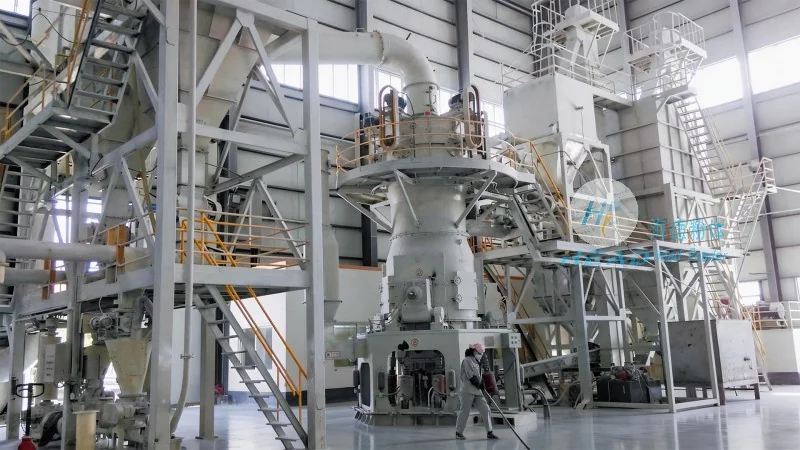
The ABS granule material conveying line typically consists of several critical components that work in tandem to achieve effective material transport. These components include the hopper for raw material storage, a feeder to regulate the flow of granules, a conveyor system (such as a screw conveyor or belt conveyor) to move the material, a control panel for monitoring and adjusting the operation, and a discharge mechanism to deliver the material to the next stage of processing. Each component is carefully selected and integrated to ensure optimal performance and minimal downtime.
Operation Process of the Conveying Line
The operation of the ABS granule material conveying line follows a systematic sequence that ensures consistent and reliable material handling. The process begins with the loading of ABS granules into the storage hopper. The hopper is designed with a sloped bottom to facilitate the flow of material into the feeder. The feeder, often a rotary valve or a vibratory feeder, controls the rate at which granules are released into the conveyor system. This controlled feeding prevents overloading and ensures a steady supply of material to the conveyor.
The conveyor system, which may be a screw conveyor or a belt conveyor, then transports the ABS granules from the feeder to the discharge point. A screw conveyor uses a rotating screw to push the material forward, while a belt conveyor relies on a moving belt to carry the granules. The choice of conveyor type depends on factors such as the material's characteristics, the required transport distance, and the desired speed. The conveyor is equipped with a motor that drives the rotation or movement, providing the necessary power to move the granules through the system.
Working Principle of the Conveying Line
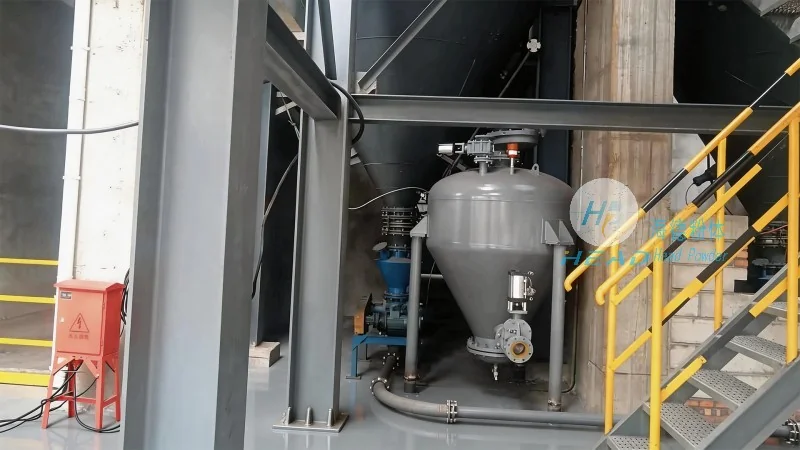
The working principle of the ABS granule material conveying line is based on mechanical energy conversion and material flow dynamics. The system operates by converting electrical energy into mechanical energy through the motor, which then drives the conveyor components. The feeder regulates the flow rate by controlling the opening size or speed, ensuring that the material is fed at a consistent rate. The conveyor then transports the material based on the principles of gravity and friction, with the screw or belt providing the necessary force to overcome resistance and move the granules forward.
The control panel plays a crucial role in monitoring and adjusting the operation of the conveying line. It allows operators to adjust the speed of the conveyor, the feeding rate, and other parameters to optimize the system's performance. Sensors are often integrated into the system to detect the level of material in the hopper, the flow rate, and any blockages, providing real-time feedback to the control system. This ensures that the system operates efficiently and safely, minimizing the risk of material buildup or equipment damage.
Benefits and Applications of the Conveying Line
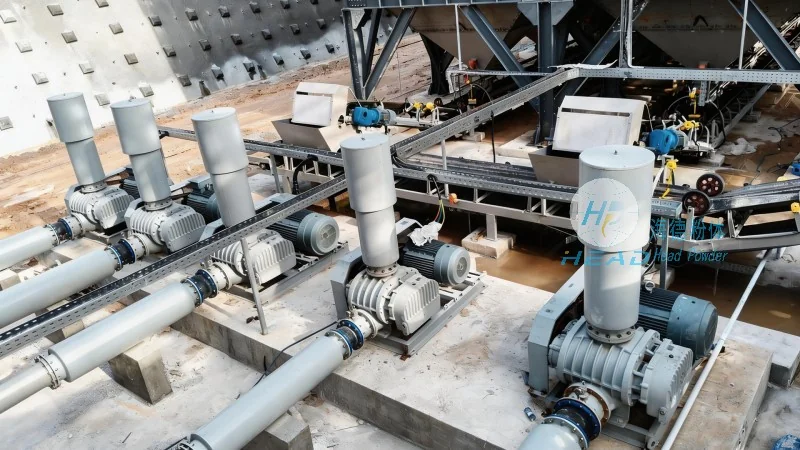
The ABS granule material conveying line offers several benefits that make it an essential component in industrial manufacturing processes. These benefits include improved material handling efficiency, reduced labor costs, enhanced safety through automated operation, and increased productivity due to consistent material flow. The system is particularly suitable for applications where ABS granules need to be transported from storage to processing units, such as in plastic molding, extrusion, and injection molding operations. HeadPowder's customized solutions ensure that the conveying line is tailored to the specific requirements of each client, maximizing its effectiveness and reliability.
Conclusion
In conclusion, the ABS granule material conveying line is a sophisticated and efficient system designed to handle the transportation of ABS granules in industrial settings. The operation process involves a series of steps, from material loading to discharge, while the working principle relies on mechanical components and control systems to ensure smooth and reliable material transport. Shandong HeadPowder Engineering Co., Ltd. provides high-quality conveying solutions that meet the demands of modern manufacturing, contributing to improved productivity and operational efficiency. For businesses seeking reliable material handling equipment, the ABS granule material conveying line from HeadPowder is a proven choice.