

Operation Process and Working Principle of Dust-Removed Coke Powder Material Conveying Line
Shandong HeadPowder Engineering Co., Ltd., a leading manufacturer in the field of material handling equipment, specializes in providing efficient and reliable solutions for transporting dust-removed coke powder. The company, operating from Shandong, China, has developed advanced conveying systems that ensure safe and effective material transport in industrial settings. This article delves into the operation process and working principle of their dust-removed coke powder material conveying line, highlighting the key components and operational mechanisms.
Key Components of the Conveying System
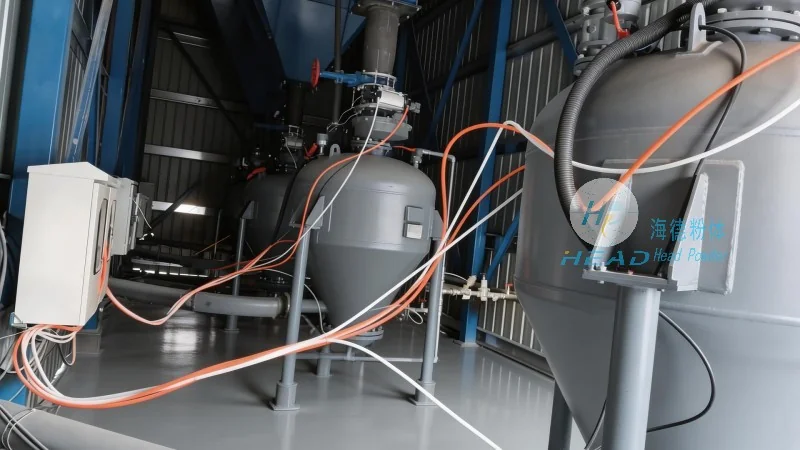
The dust-removed coke powder conveying line typically consists of several critical components that work in tandem to ensure smooth material transport. These include a dust removal unit, a conveyor system (such as a belt or screw conveyor), a control panel, and a discharge mechanism. Each component plays a vital role in maintaining the integrity of the coke powder and preventing dust emissions during the conveying process. The dust removal unit is designed to capture fine particles, the conveyor system transports the material, the control panel manages operations, and the discharge mechanism ensures proper output.
Working Principle of the Dust Removal Unit
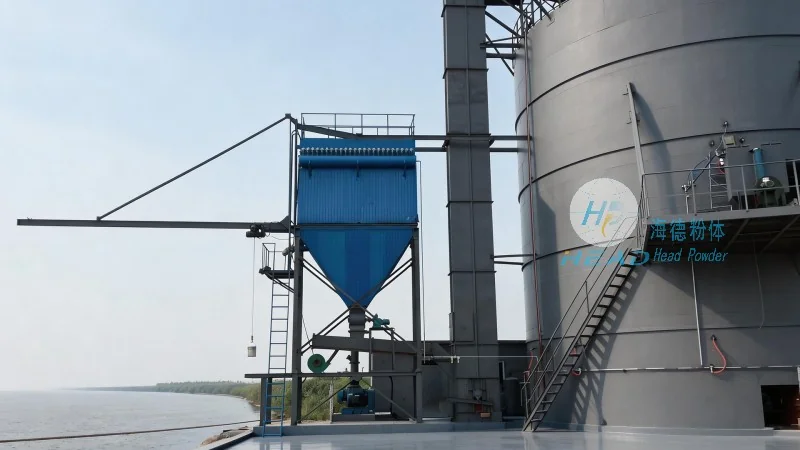
The first step in the operation of the dust-removed coke powder conveying line is the removal of dust from the raw coke powder. The dust removal unit, often equipped with a cyclone separator or a bag filter, uses centrifugal force to separate fine particles from the bulk material. As the coke powder enters the unit, it is subjected to high-speed rotation, causing the dust particles to be thrown against the walls and collected in a separate chamber. This process ensures that the material entering the conveyor is clean and free from contaminants, which is crucial for maintaining the quality of the final product and preventing equipment wear. The unit operates by introducing the material into a high-velocity air stream, where centrifugal force separates dust from the larger coke particles, with the dust collected in a dedicated chamber and clean powder directed to the conveyor.
Conveyor System Operation
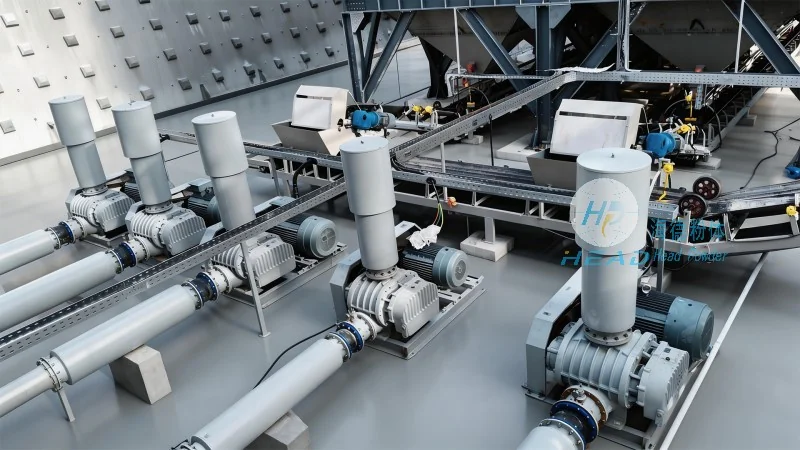
Once the dust is removed, the clean coke powder is fed into the conveyor system. The conveyor, which may be a belt conveyor or a screw conveyor depending on the application, transports the material from the storage area to the processing or packaging station. The belt conveyor uses a continuous belt looped over rollers to move the material, while the screw conveyor employs a rotating screw to push the material forward. Both systems are designed to handle the abrasive nature of coke powder and are equipped with wear-resistant materials to extend their operational life. The conveyor speed is adjustable to match the material flow rate, ensuring consistent and efficient transport without causing blockages or material degradation.
Control and Monitoring System
The conveying line is equipped with a sophisticated control panel that monitors and regulates the entire operation. This system includes sensors to detect the level of material in the hopper, the speed of the conveyor, and the pressure in the dust removal unit. The control panel allows operators to adjust the conveyor speed, monitor the dust removal efficiency, and receive alerts in case of any anomalies. This automation ensures that the conveying process is efficient, safe, and consistent, minimizing downtime and maximizing productivity. The system may also include a feedback loop that adjusts parameters based on real-time data, optimizing the operation for varying material loads and conditions.
Discharge and Material Handling
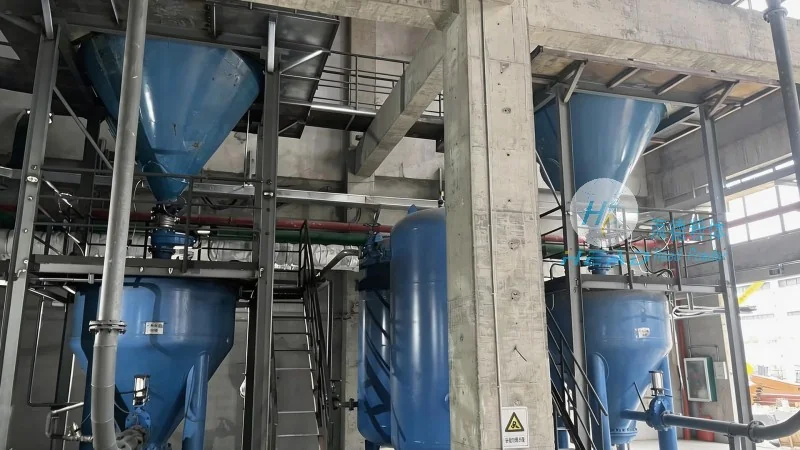
At the end of the conveyor line, the coke powder is discharged into a storage bin or directly to the next processing stage. The discharge mechanism is designed to handle the material flow smoothly, preventing blockages and ensuring a steady output. The system may include a rotary valve or a gate valve to control the flow rate, allowing for precise control over the amount of material being discharged. This final step completes the conveying process, ensuring that the coke powder is delivered to its intended destination in a clean and controlled manner. The discharge area is equipped with additional dust collection to prevent re-emission, maintaining a safe and compliant operational environment.
Benefits and Applications
The dust-removed coke powder conveying line offered by Shandong HeadPowder Engineering Co., Ltd. provides several key benefits for industrial applications. These include improved material quality by reducing dust content, enhanced safety by minimizing airborne particles, and increased efficiency through automated control systems. The system is widely used in the coke industry, as well as in other sectors such as chemical and food processing, where the transport of fine powders is required. The robust design and reliable performance of the conveying line make it an ideal solution for businesses seeking to optimize their material handling processes. By integrating dust removal and conveyor technology, the system addresses both operational efficiency and environmental compliance, making it a cost-effective choice for long-term material transport needs.