

Operation Process and Working Principle of Ferrous Oxide Powder Conveying System Equipment
For industrial applications requiring the efficient and reliable transport of ferrous oxide powder, the design and operation of specialized conveying systems are critical. This article provides an in-depth look at the operation process and working principles of the ferrous oxide powder conveying system equipment, highlighting key components, operational steps, and the underlying mechanisms that ensure optimal performance.
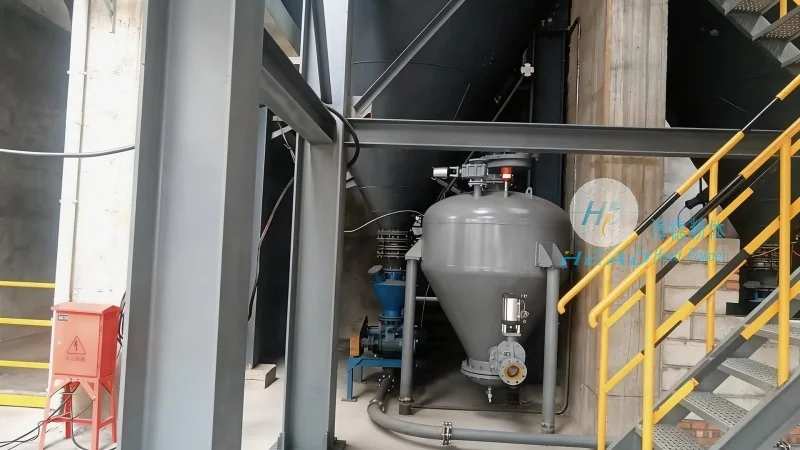
Introduction to Ferrous Oxide Powder Conveying Systems
Ferrous oxide, commonly known as iron oxide, is a fine powder widely used in various industries such as pigments, ceramics, and pharmaceuticals. The effective handling of this material demands a conveying system that can maintain particle integrity, prevent clogging, and ensure consistent flow rates. The system developed by Shandong HeadPowder Engineering Co., Ltd. addresses these challenges through a combination of advanced engineering and robust design.
Key Components of the Conveying System
The ferrous oxide powder conveying system consists of several interrelated components that work in tandem to achieve seamless material transport. These include feed hoppers, screw conveyors or pneumatic lines, control valves, and dust collection systems. Each component plays a specific role in the overall operation, contributing to the system's efficiency and reliability.
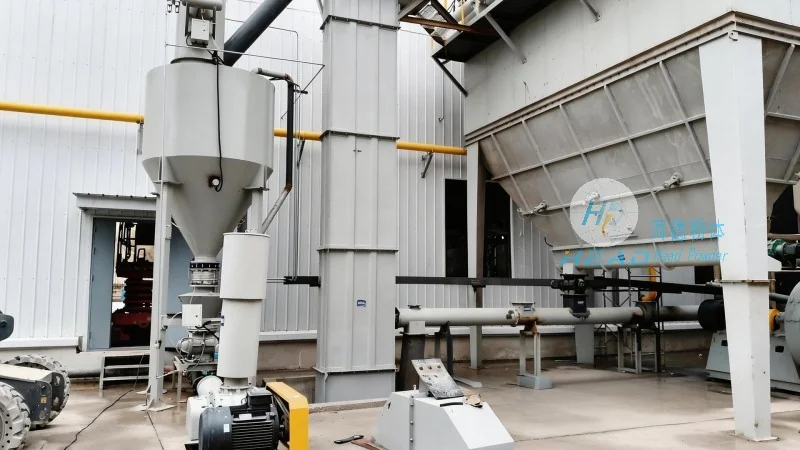
Operation Process: Step-by-Step Overview
The operation of the ferrous oxide powder conveying system begins with the loading of the material into the feed hopper. The hopper is designed to accommodate a large volume of powder and features a smooth interior to minimize material buildup and ensure uniform feeding. Once the hopper is filled, the material is discharged into the primary conveyor section, typically a screw conveyor or a pneumatic transport line, depending on the system configuration.
For screw conveyors, the rotating screw mechanism pulls the powder forward through the tube. The speed of the screw and the pitch of the flights are carefully calibrated to match the material's flow characteristics, preventing excessive pressure buildup that could lead to clogging. In pneumatic systems, compressed air is used to create a flow of air and powder mixture, transporting the material through the pipeline. The air pressure and flow rate are controlled to maintain a consistent velocity, ensuring the powder is conveyed without degradation.
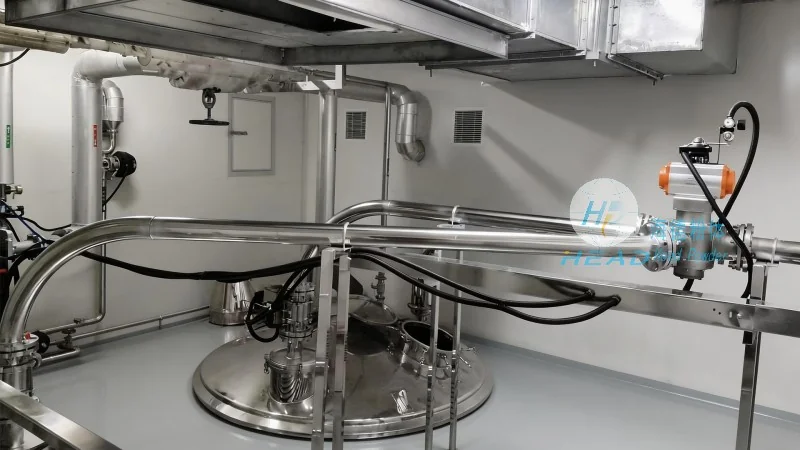
Working Principle: Material Flow and Control Mechanisms
The working principle of the ferrous oxide powder conveying system is based on the principles of fluid dynamics and mechanical transport. The system utilizes either mechanical force (screw conveyors) or pneumatic force (air pressure) to move the powder from the source to the destination. Control valves are integrated into the system to regulate the flow rate, allowing operators to adjust the output based on production requirements. Additionally, the system incorporates sensors and monitoring devices to detect any deviations in flow or pressure, providing real-time feedback for adjustments.
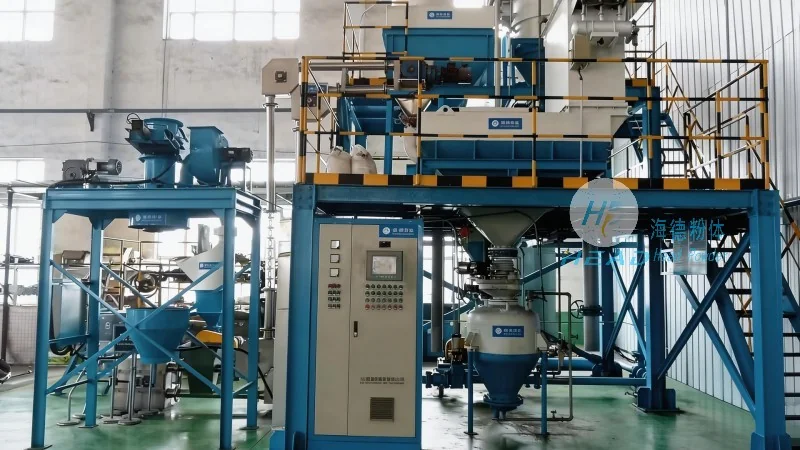
Ensuring Efficiency and Reliability
Shandong HeadPowder Engineering Co., Ltd. has engineered the ferrous oxide powder conveying system to deliver high efficiency and reliability in industrial settings. The system's design minimizes material degradation, reduces downtime due to clogging, and ensures consistent product quality. Regular maintenance and operational checks are recommended to maintain optimal performance, with the company providing technical support and service to ensure the system operates at peak efficiency.
Conclusion
The ferrous oxide powder conveying system developed by Shandong HeadPowder Engineering Co., Ltd. exemplifies advanced engineering solutions for material handling. By understanding the operation process and working principles, users can appreciate how the system effectively addresses the challenges of transporting fine powders, ensuring reliable performance in various industrial applications.