

Dust Gas-Pneumatic Conveying Line: Operation Process and Working Principle
For industrial facilities dealing with dust and fine particulate matter, efficient and reliable material handling is crucial. The dust gas-pneumatic conveying line, a specialized system designed for transporting dust and similar dry materials, plays a vital role in maintaining operational efficiency and safety. This article provides an in-depth look at the operation process and working principle of such a system, highlighting its key components, operational flow, and the technical aspects that ensure effective material transport.
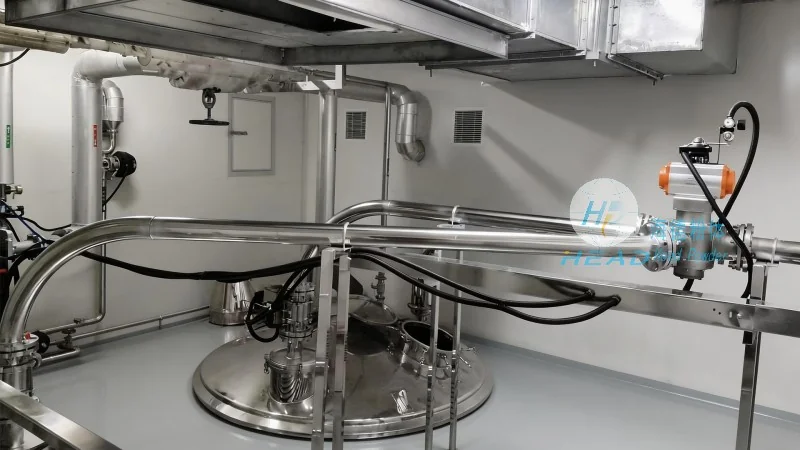
Introduction to Dust Gas-Pneumatic Conveying Lines
Before delving into the operational details, it is essential to understand the fundamental purpose and design of a dust gas-pneumatic conveying line. Developed by companies like Shandong HeadPowder Engineering Co., Ltd., these systems are engineered to move dry, fine materials such as dust, powders, and granules from one location to another within a facility or between different sites. The primary advantage of this method lies in its ability to transport materials without the need for mechanical components like belts or buckets, reducing wear and tear and minimizing the risk of material contamination.
Key Components of a Dust Gas-Pneumatic Conveying System
The effectiveness of a dust gas-pneumatic conveying line is determined by its well-designed components, each playing a specific role in the material transport process. The main components typically include:
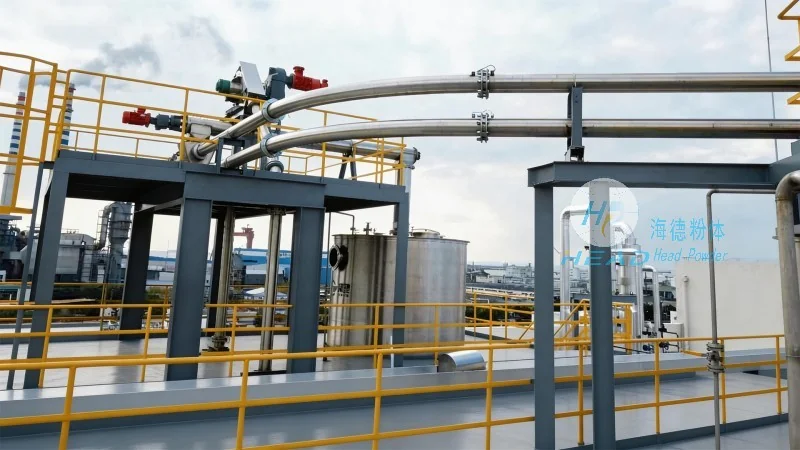
- Feeder: This component is responsible for feeding the dust or powder into the conveying line. It ensures a consistent and controlled flow of material, preventing blockages and maintaining system efficiency.
- Pneumatic Conveying Pipe: The main body of the system, this pipe carries the material and air mixture. It is usually made of durable materials like stainless steel or high-density polyethylene to withstand the abrasive nature of dust and the pressure of the conveying air.
- Blower or Air Compressor: The power source of the system, this equipment generates the necessary air pressure to move the material through the pipe. The choice between a blower and a compressor depends on the specific application, with blowers often preferred for low-pressure, long-distance conveying.
- Separation and Collection Equipment: At the end of the conveying line, this component separates the material from the air stream. It may include cyclones, filters, or baghouses to collect the dust and return it to the process or storage area.
- Control System: Modern dust gas-pneumatic conveying lines are equipped with advanced control systems that monitor and regulate the flow of material and air. These systems ensure optimal performance, prevent overloading, and provide real-time data for maintenance and troubleshooting.
The Working Principle of Dust Gas-Pneumatic Conveying
The operation of a dust gas-pneumatic conveying line is based on the principle of fluidization and pneumatic transport. The process begins with the material being fed into the system through the feeder. Simultaneously, the blower or air compressor generates a high-pressure air stream that enters the conveying pipe. As the air flows through the pipe, it creates a low-pressure zone that draws the material into the air stream, forming a mixture of air and dust particles.
This mixture is then propelled through the pipe by the pressure of the air. The velocity of the air must be sufficient to keep the material suspended and prevent it from settling or clogging the pipe. The system's design, including the pipe diameter, length, and angle, is carefully calculated to maintain the required air velocity and pressure for efficient transport.
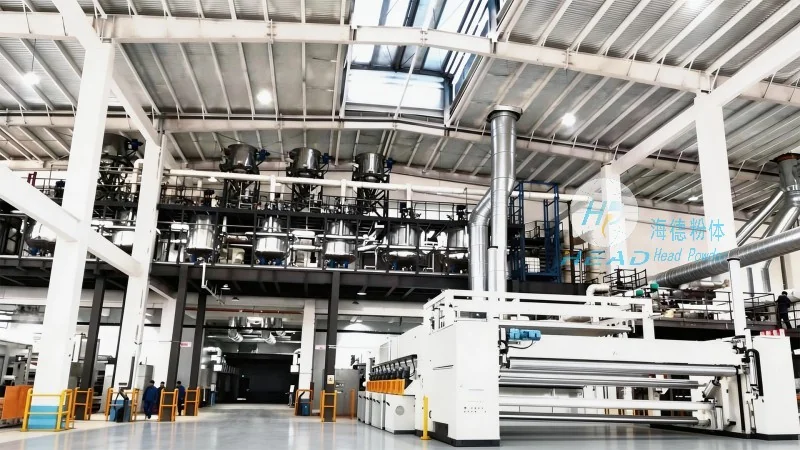
Upon reaching the end of the conveying line, the material-air mixture enters the separation and collection equipment. Here, the air is filtered and released, while the dust is collected and either returned to the process for further use or stored for disposal. The control system continuously monitors the pressure, flow rate, and material level to ensure the system operates within optimal parameters.
Operation Process of a Dust Gas-Pneumatic Conveying Line
The operational process of a dust gas-pneumatic conveying line involves several sequential steps, each critical to the system's performance. The process typically includes:
- Material Preparation: The dust or powder is prepared and fed into the system through the feeder. This step ensures that the material is in the correct form for efficient transport.
- Air Supply Activation: The blower or air compressor is activated, generating the necessary air pressure to start the conveying process.
- Material Transport: The material is drawn into the air stream and transported through the conveying pipe. The system's control system monitors the flow rate and pressure to maintain consistent transport.
- Material Separation and Collection: At the receiving end, the material is separated from the air and collected. The collected dust may be returned to the process or stored for disposal.
- System Shutdown and Maintenance: Once the conveying task is complete, the system is shut down, and any necessary maintenance or cleaning is performed to ensure the system remains in optimal condition for future use.
Benefits and Applications of Dust Gas-Pneumatic Conveying Lines
Shandong HeadPowder Engineering Co., Ltd. specializes in designing and manufacturing dust gas-pneumatic conveying lines that offer numerous benefits for industrial applications. Some of the key advantages include:
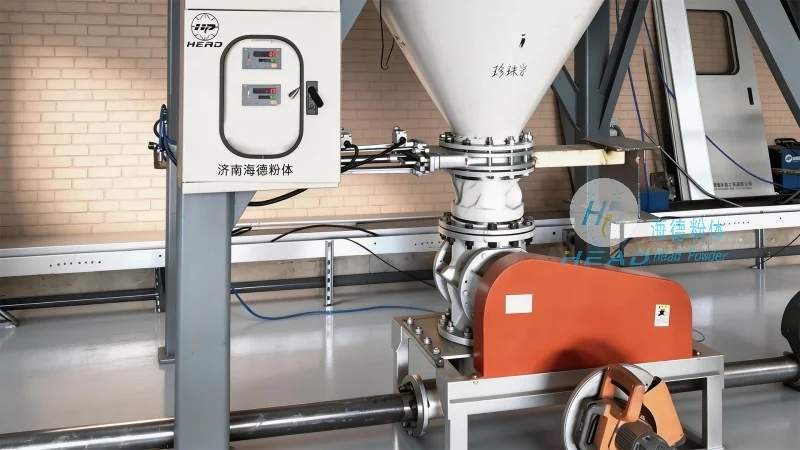
- Efficient Material Handling: The system provides a continuous and reliable method for transporting dust and powders, reducing downtime and improving overall operational efficiency.
- Reduced Maintenance: Unlike mechanical systems, the absence of moving parts minimizes wear and tear, leading to lower maintenance costs and longer system lifespan.
- Low Contamination Risk: The enclosed system prevents material contamination from external sources, ensuring the quality of the transported material.
- Flexible Installation: The pneumatic conveying line can be installed in various configurations, including vertical, horizontal, or inclined paths, to suit the specific layout of the facility.
- Environmental Compliance: The system helps in controlling dust emissions by capturing and containing the material within the pipe, reducing the risk of air pollution and ensuring compliance with environmental regulations.
These systems are widely used in industries such as mining, cement, food processing, pharmaceuticals, and chemical manufacturing, where the handling of fine materials is a critical part of the production process.
Conclusion
Dust gas-pneumatic conveying lines are essential equipment for industries dealing with dry, fine materials. The operation process and working principle of these systems, as explained above, highlight the importance of each component and the sequential steps involved in material transport. Companies like Shandong HeadPowder Engineering Co., Ltd. play a crucial role in providing reliable and efficient solutions for material handling, ensuring that industrial facilities can maintain high productivity while adhering to safety and environmental standards.