

Operation Process and Working Principle of Pearl Luster Sand Pneumatic Conveying Line
HeadPowder, a leading manufacturer in the field of material handling systems, specializes in the design, production, and installation of pneumatic conveying lines tailored for various industrial applications. This article provides a detailed overview of the operation process and working principle of a pneumatic conveying line specifically designed for pearl luster sand, a material widely used in the glass, ceramics, and decorative industries.
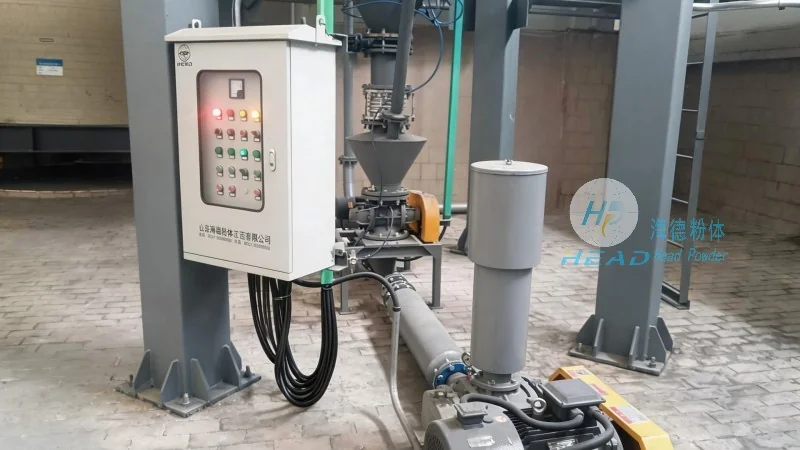
Pneumatic Conveying Line Overview
The pneumatic conveying line for pearl luster sand is a sophisticated system that efficiently transports bulk materials through a pipeline using compressed air or other gas as the conveying medium. Unlike traditional mechanical conveying methods, this system offers advantages such as reduced material contamination, lower maintenance requirements, and the ability to handle materials with high moisture content or delicate characteristics. The system typically consists of several key components, including a material feeder, a conveying pipeline, a dust collector, and a discharge device. Each component plays a crucial role in ensuring the smooth and reliable operation of the entire line.
Key Components and Their Functions
1. Material Feeder: The feeder is responsible for accurately and consistently feeding the pearl luster sand into the conveying pipeline. It may be a rotary valve, a screw feeder, or a vibratory feeder, depending on the specific requirements of the application. The feeder ensures a steady flow of material, preventing blockages and maintaining the desired conveying rate.
2. Conveying Pipeline: The pipeline is the main channel through which the material is transported. It is usually made of stainless steel or other corrosion-resistant materials to withstand the abrasive nature of the sand and the effects of moisture. The pipeline is designed with appropriate bends and elbows to accommodate the layout of the facility while minimizing pressure losses.
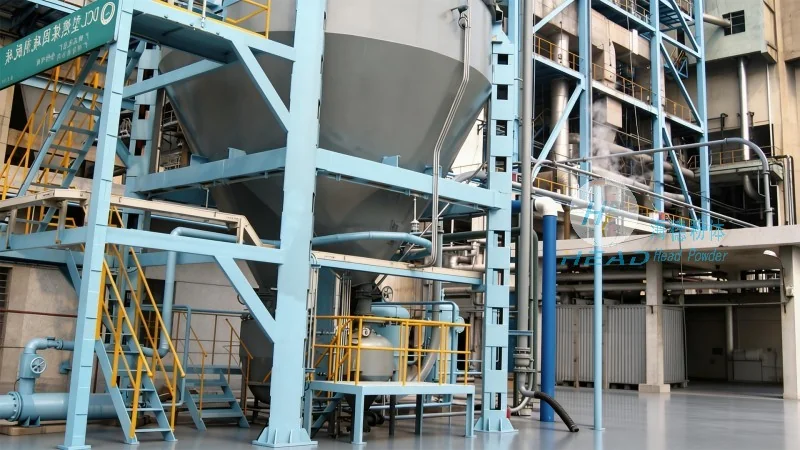
3. Dust Collector: As the material is conveyed through the pipeline, fine particles may be released into the air, creating a dust environment. The dust collector is integrated into the system to capture these particles, ensuring compliance with environmental regulations and maintaining a clean working environment. It typically uses a filtration system to separate the dust from the air, which is then discharged or recycled.
4. Discharge Device: The discharge device is located at the end of the pipeline and is responsible for releasing the material from the system. It may be a rotary valve, a gate valve, or a pneumatic actuator, depending on the application. The device ensures that the material is discharged safely and efficiently, without causing any blockages or spills.
Operation Process of the Pneumatic Conveying Line
The operation of the pneumatic conveying line for pearl luster sand involves several sequential steps that ensure the material is transported from the source to the destination without any interruptions. The process begins with the material being fed into the system by the feeder. The feeder then delivers the material into the conveying pipeline, where it is mixed with the compressed air or gas. The air flow creates a low-pressure zone within the pipeline, which draws the material particles into the flow and transports them to the discharge point.
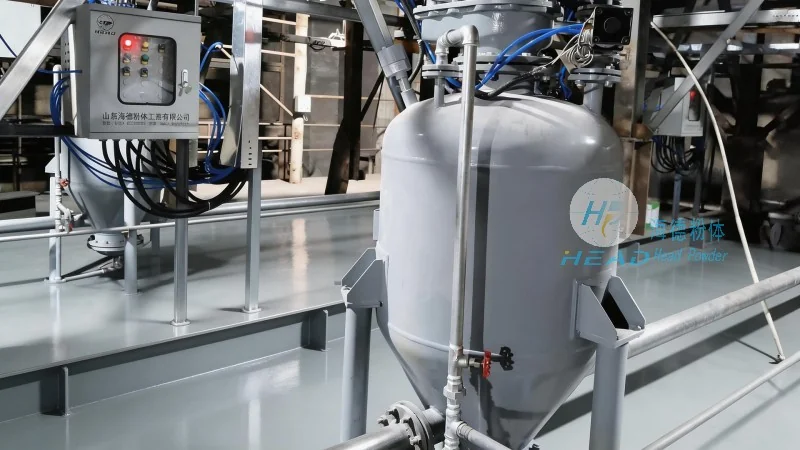
As the material travels through the pipeline, it may encounter bends, elbows, or other obstacles. The system is designed to handle these changes in direction by maintaining a consistent air velocity, which prevents material settling or blockages. The dust collector continuously operates to capture any particles that may escape from the pipeline, ensuring that the air leaving the system is clean and free from contaminants.
Upon reaching the discharge point, the material is released from the pipeline and collected in a storage bin or processing equipment. The discharge device controls the flow rate of the material, ensuring that it is discharged at a rate that matches the downstream processing requirements. The entire process is typically automated, with sensors and controls monitoring the system's performance and adjusting the air pressure and flow rate as needed to maintain optimal operation.
Working Principle Explained
The working principle of the pneumatic conveying line for pearl luster sand is based on the principle of fluidization and the use of air as a conveying medium. When compressed air is introduced into the conveying pipeline, it creates a turbulent flow that lifts the material particles and transports them along the pipeline. The air velocity within the pipeline is carefully controlled to ensure that the material particles are fully suspended and transported without settling or causing blockages.
The system operates under a pressure or vacuum condition, depending on the specific design. In a pressure system, the air is introduced at the inlet of the pipeline, and the material is pushed forward by the air pressure. In a vacuum system, the air is drawn out of the pipeline, creating a negative pressure that pulls the material from the source. The choice between pressure and vacuum depends on factors such as the distance to be covered, the material characteristics, and the layout of the facility.
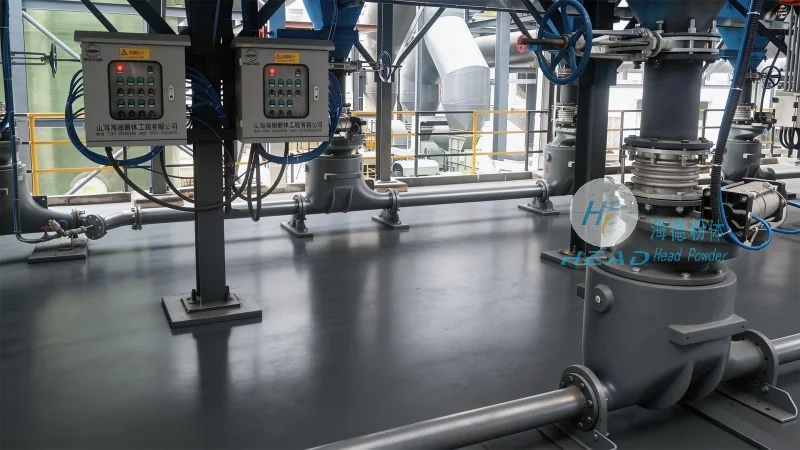
The efficiency of the pneumatic conveying line is influenced by several factors, including the air velocity, the material's density and particle size, and the pipeline's diameter and length. Proper design and maintenance of the system are crucial to ensure optimal performance and minimize energy consumption. Regular cleaning and inspection of the components, such as the feeder, pipeline, and dust collector, are necessary to prevent blockages and maintain the system's efficiency.
Benefits and Applications
The pneumatic conveying line for pearl luster sand offers several benefits over traditional mechanical conveying methods. These include reduced material contamination, lower maintenance costs, and the ability to handle materials with high moisture content or delicate characteristics. The system is also flexible and can be easily integrated into existing facilities, allowing for the expansion or modification of the material handling process.
This technology is widely used in various industries, including glass manufacturing, where pearl luster sand is used to add a decorative finish to glass products. It is also used in the ceramics industry for the production of decorative tiles and in the chemical industry for the handling of fine powders. The system's ability to handle materials with high moisture content makes it particularly suitable for applications where traditional conveying methods may not be effective.