

Operation Process and Working Principle of Biomass Pneumatic Conveying Lines
Biomass pneumatic conveying lines are essential systems in the processing and handling of biomass materials, such as wood chips, sawdust, and other organic feedstocks. These systems efficiently transport bulk materials from one location to another using a combination of air and pressure, ensuring reliable and continuous operation in various industrial applications. The following content will explore the operation process and working principle of such lines, providing insights into their design, functionality, and practical applications.
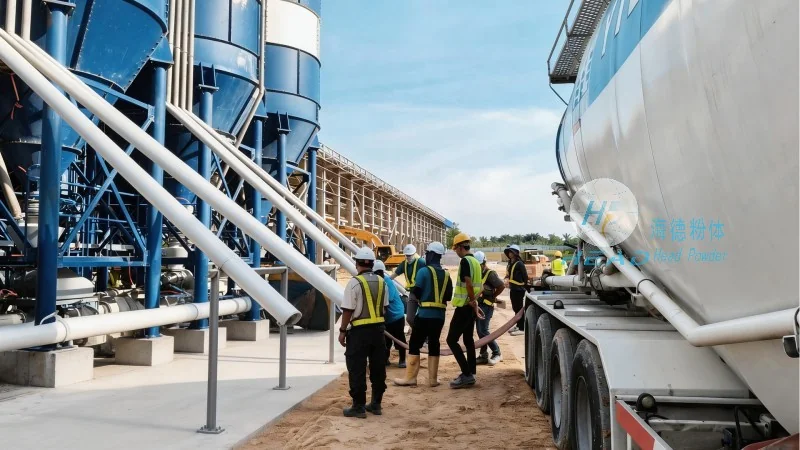
About HeadPowder: Your Biomass Handling Expert
HeadPowder, or Shandong HeadPowder Engineering Co., Ltd., is a leading manufacturer and supplier of advanced pneumatic conveying solutions tailored for biomass processing industries. With a focus on innovation and quality, the company has established itself as a trusted partner in providing efficient and reliable equipment for biomass handling. HeadPowder's headquarters is located in Shandong, China, where the company leverages local expertise and resources to develop cutting-edge technologies that meet the evolving needs of the biomass sector.
Working Principle of Biomass Pneumatic Conveying Lines
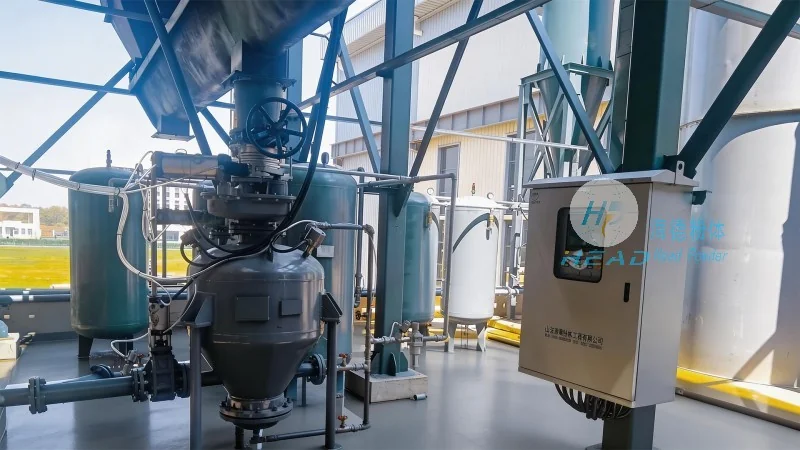
The core of a biomass pneumatic conveying line is the pneumatic transport mechanism, which utilizes compressed air to move solid materials through a pipeline. The system typically consists of a hopper for material storage, a feeder to control the flow rate, a conveying line with appropriate diameter and length, and a receiver to collect the delivered material. The operation begins with the material being fed into the hopper, where it is then discharged into the conveying line under the pressure of the compressed air. The air, often supplied by a blower or compressor, creates a flow that propels the material forward, maintaining a consistent and stable transport process. This method is particularly effective for handling fine or dusty biomass materials, as it minimizes material degradation and ensures a clean, dust-free operation.
Step-by-Step Operation Process of Biomass Pneumatic Conveying Lines
The operation of a biomass pneumatic conveying line involves several key steps that ensure efficient material transport. First, the biomass material is loaded into the storage hopper. The hopper is designed to hold a sufficient quantity of material to maintain continuous feeding. Next, the feeder mechanism, such as a rotary valve or screw feeder, regulates the flow rate of the material into the conveying line. This step is crucial for controlling the pressure and flow of the material, preventing blockages and ensuring smooth operation. As the material enters the conveying line, the compressed air from the blower is introduced, creating a positive pressure environment that propels the material forward. The air and material mixture travels through the pipeline, with the air velocity maintained at a level sufficient to keep the particles suspended and moving. At the receiving end, the material is separated from the air, often through a cyclone or filter system, and collected in the receiver. The air is then discharged back to the atmosphere or recirculated, depending on the system design. Throughout the process, monitoring and control systems ensure that the pressure, flow rate, and temperature are maintained within optimal ranges, preventing system failures and maximizing efficiency.
Key Components of Biomass Pneumatic Conveying Lines
Several critical components work together to ensure the effective operation of biomass pneumatic conveying lines. The storage hopper is the initial component, where biomass materials are stored before being fed into the system. It is designed to accommodate various types of biomass, such as wood chips or sawdust, and is equipped with a discharge mechanism to regulate the flow. The feeder is another essential part, responsible for controlling the material flow rate. Common types include rotary valves, screw feeders, and vibratory feeders, each offering different advantages in terms of flow control and material handling. The conveying line itself is a crucial component, typically made of stainless steel or other corrosion-resistant materials to withstand the abrasive nature of biomass particles. The diameter and length of the line are carefully selected based on the material characteristics and the required transport distance. The blower or compressor provides the necessary compressed air to drive the material through the line. The receiver is the final component, where the material is collected after being separated from the air. It may include a cyclone separator or a filter to ensure that the material is clean and free from dust. Additionally, control systems and monitoring devices are integrated to manage the operation, ensuring that the system runs smoothly and efficiently.
Applications of Biomass Pneumatic Conveying Lines
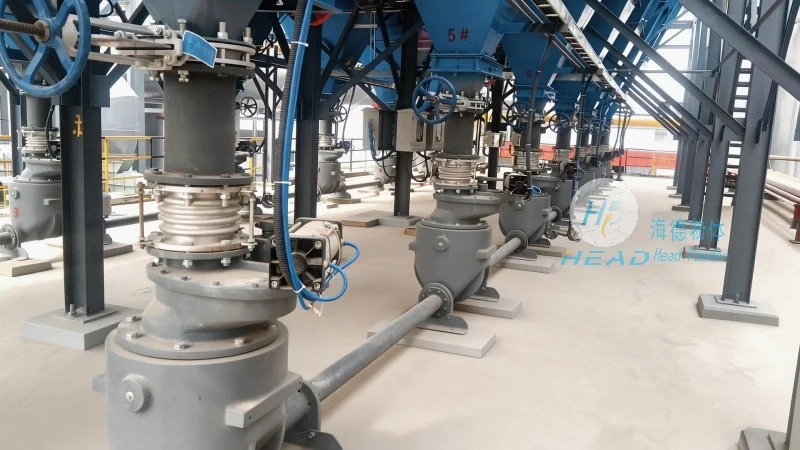
Biomass pneumatic conveying lines are widely used in various industries that process biomass materials. In the wood processing industry, these systems are used to transport wood chips and sawdust from storage to processing facilities, such as pellet mills or drying equipment. In the agricultural sector, they are employed to handle organic feedstocks like straw or corn husks, facilitating their transport to biogas plants or composting facilities. The food processing industry also benefits from these systems, as they can efficiently convey biomass materials used in the production of biofuels or animal feed. Additionally, in the renewable energy sector, biomass pneumatic conveying lines are crucial for transporting biomass to power plants, where it is used as a fuel source. The versatility of these systems makes them suitable for a wide range of applications, from small-scale operations to large industrial facilities.
Conclusion: Reliable and Efficient Biomass Handling with HeadPowder
Biomass pneumatic conveying lines are an indispensable part of modern biomass processing, offering efficient and reliable solutions for material transport. The operation process, which involves material storage, controlled feeding, pneumatic transport, and material separation, ensures that biomass materials are handled safely and effectively. HeadPowder, with its expertise and advanced technology, provides high-quality pneumatic conveying systems that meet the specific needs of biomass handling industries. By understanding the working principle and operation process of these lines, users can optimize their biomass processing operations, improve efficiency, and reduce operational costs. Whether for wood processing, agricultural applications, or renewable energy projects, biomass pneumatic conveying lines from HeadPowder offer a reliable and efficient solution for transporting biomass materials.