

Operation Process and Working Principle of Glass Particle Pneumatic Conveying Lines
Understanding the operation process and working principle of glass particle pneumatic conveying lines is crucial for optimizing material handling efficiency in industrial settings. These systems are designed to transport glass particles through a pipeline using air or gas as the conveying medium, offering a dust-free and efficient method compared to traditional mechanical conveying systems.
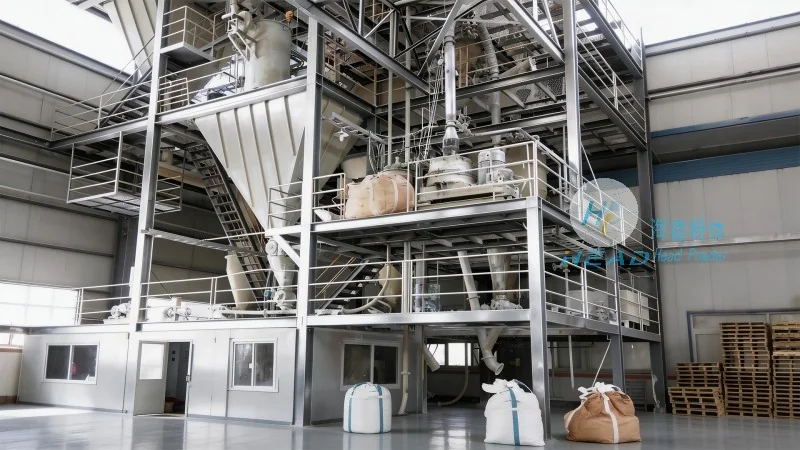
Key Components and Their Roles in Glass Particle Pneumatic Conveying
The core components of a glass particle pneumatic conveying line include the hopper, feeder, conveying line, air compressor, and control system. The hopper serves as the storage vessel for glass particles, ensuring a consistent feed to the system. The feeder, typically a rotary valve or screw feeder, regulates the flow rate of glass particles into the conveying line, preventing blockages and maintaining system stability. The conveying line, often made of stainless steel or other corrosion-resistant materials, transports the glass particles along the desired path. The air compressor generates the necessary air pressure or vacuum to move the particles through the line, while the control system monitors and adjusts the operation parameters to ensure smooth and efficient conveying.
Operation Process of Glass Particle Pneumatic Conveying Lines
The operation process of glass particle pneumatic conveying lines involves several sequential steps. First, glass particles are loaded into the hopper from the production or storage area. The feeder then starts to discharge the particles at a controlled rate into the conveying line. Simultaneously, the air compressor supplies compressed air to the line, creating a pressure differential that propels the particles forward. As the particles travel through the line, they are suspended by the air flow and transported to the destination point, such as a processing unit or storage silo. The control system continuously monitors parameters like pressure, flow rate, and particle velocity to maintain optimal operation. If any issues arise, such as blockages or pressure drops, the system can automatically adjust or alert operators for intervention.
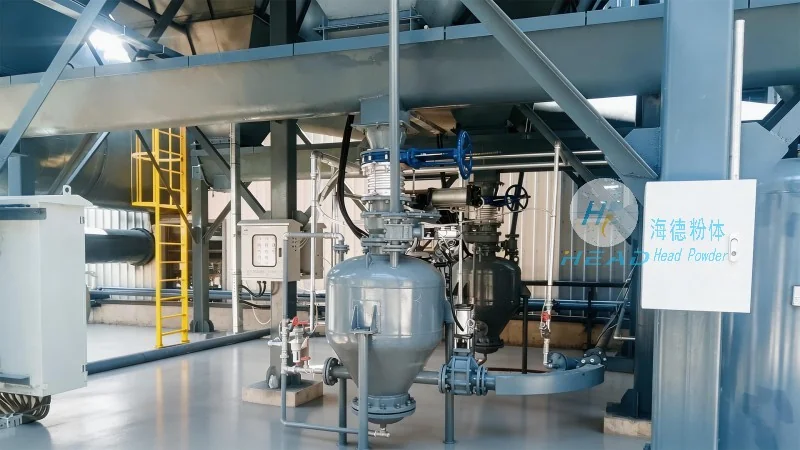
Working Principle of Pneumatic Conveying for Glass Particles
The working principle of glass particle pneumatic conveying relies on the physics of fluid dynamics and particle motion. In a pressure system, compressed air is introduced into the conveying line, creating a high-pressure environment that pushes the glass particles forward. The air flow velocity must be sufficient to overcome the gravitational force and frictional resistance of the particles, ensuring they remain suspended and move efficiently. In a vacuum system, the air compressor creates a low-pressure zone that draws the particles into the line. The key is to maintain an appropriate air-to-particle ratio, which balances the conveying efficiency with energy consumption. For glass particles, which are often fine and abrasive, the system design must consider factors like particle size distribution, density, and moisture content to prevent system wear and ensure reliable operation.
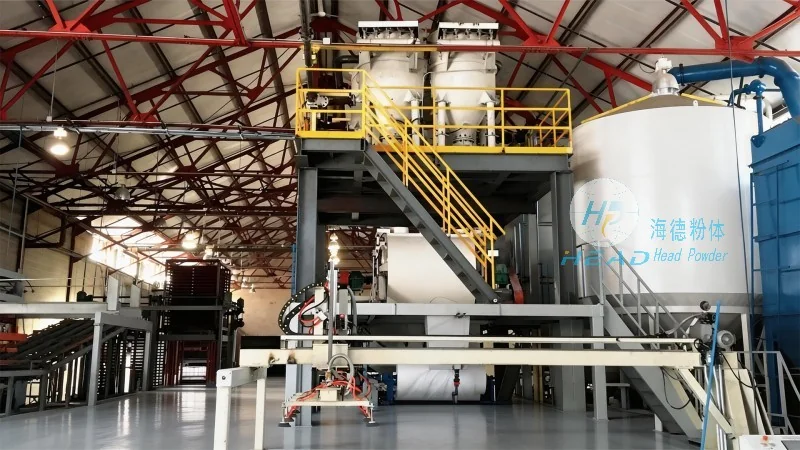
Advantages of Using Pneumatic Conveying for Glass Particles
Compared to mechanical conveying methods, glass particle pneumatic conveying lines offer several advantages. These include dust-free operation, which enhances workplace safety and reduces environmental contamination. The system is also flexible, allowing for changes in conveying direction or distance without major modifications. Additionally, pneumatic conveying can handle a wide range of particle sizes and shapes, making it suitable for various glass production processes. The enclosed pipeline design minimizes material loss and contamination, which is critical for maintaining product quality in glass manufacturing. Furthermore, the system can operate at different pressures and flow rates, providing versatility for different production needs.
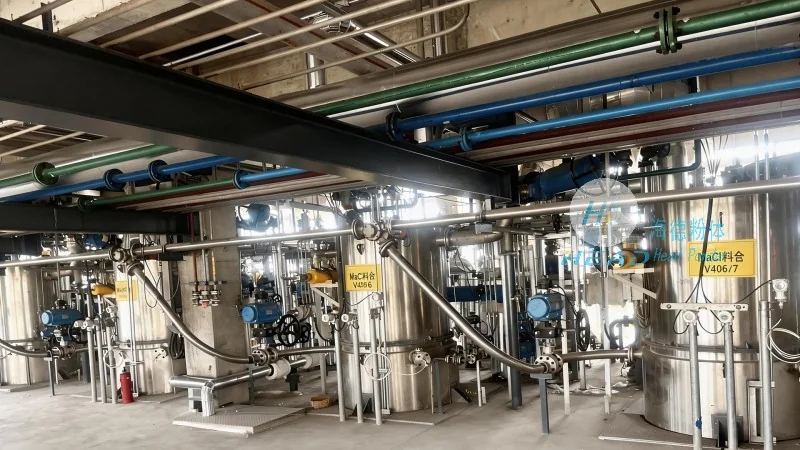
Applications in Glass Manufacturing Industries
Glass particle pneumatic conveying lines are widely used in various glass manufacturing processes. In float glass production, these systems transport raw materials like sand, soda ash, and limestone from storage to the furnace. In glass bottle manufacturing, they convey crushed glass (cullet) from recycling bins to the melting furnaces. For glass fiber production, the system moves fine glass particles to the spinning machines. The efficiency and reliability of these conveying lines are essential for maintaining production throughput and ensuring consistent product quality. By integrating these systems with other production equipment, manufacturers can streamline their operations and reduce downtime.
Maintenance and Operational Considerations for Glass Particle Pneumatic Conveying Lines
Proper maintenance is crucial to ensure the long-term performance and reliability of glass particle pneumatic conveying lines. Regular inspection of components like the hopper, feeder, and conveying line is necessary to detect wear or damage early. The air compressor and control system should be checked for proper operation and maintenance, as they are critical to the system's performance. For glass particles, which can be abrasive, the system components, especially the conveying line and feeder, may require more frequent replacement or maintenance to prevent wear. Cleaning the system regularly, especially after handling different types of glass particles, is important to prevent buildup and blockages. Additionally, monitoring the air pressure and flow rate during operation helps identify potential issues before they cause system failures. By following proper maintenance procedures, manufacturers can extend the lifespan of the system and minimize operational disruptions.