

Operation Process and Working Principle of a Zinc Oxide Powder Pneumatic Conveying Line
HeadPowder, a leading engineering company based in Shandong, China, specializes in the design, manufacturing, and installation of advanced pneumatic conveying systems for various industrial applications. This article provides a detailed overview of the operation process and working principle of a zinc oxide powder pneumatic conveying line, highlighting the key components, operational steps, and technical considerations involved in efficient material handling.
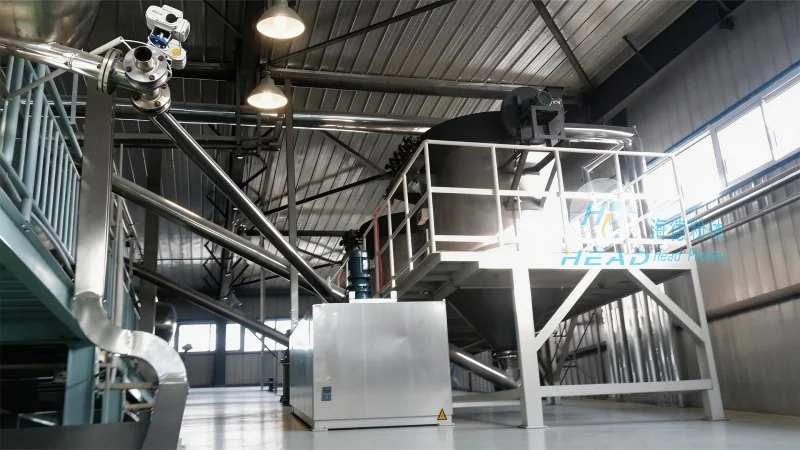
Introduction to Zinc Oxide Powder Pneumatic Conveying
Zinc oxide (ZnO) is a widely used industrial material with applications in pharmaceuticals, cosmetics, and chemical industries. The efficient and safe transportation of zinc oxide powder from storage to processing units is crucial for maintaining product quality and operational efficiency. Pneumatic conveying systems offer a reliable solution for handling such powders, minimizing dust exposure and ensuring consistent flow rates. This section introduces the fundamental concepts and components of a zinc oxide powder pneumatic conveying line.
Key Components of the Pneumatic Conveying System
A zinc oxide powder pneumatic conveying line typically consists of several critical components that work in tandem to ensure smooth material transport. These include:
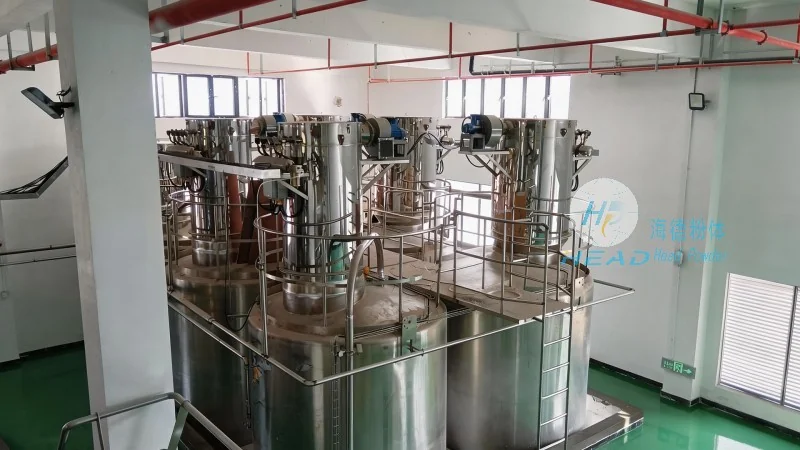
- Storage Silo: A large storage vessel where zinc oxide powder is stored under controlled conditions to prevent caking and maintain uniform properties.
- Feeder: A device that regulates the flow of zinc oxide powder from the storage silo into the conveying line, ensuring consistent and controlled discharge.
- Pneumatic Conveying Pipe: The main pipeline through which compressed air or gas transports the zinc oxide powder from the feeder to the destination point.
- Receiver: A container that collects the zinc oxide powder at the end of the conveying line, often equipped with dust collection systems to ensure environmental compliance.
- Compressor and Air Treatment Unit: Provides the necessary air pressure and cleans the air to remove contaminants that could affect the quality of the zinc oxide powder.
Working Principle of the Pneumatic Conveying Process
The operation of a zinc oxide powder pneumatic conveying line follows a systematic process that involves the following steps:
- Air Compression and Preparation: The compressor generates high-pressure air, which is then filtered and dried to remove moisture and particulate matter. This ensures that the air used for conveying is clean and suitable for handling sensitive materials like zinc oxide.
- Powder Feeding: The feeder, often a rotary valve or a mass flow controller, meters the zinc oxide powder from the storage silo into the conveying pipe. The feeder maintains a steady flow rate, preventing overloading or underflow that could disrupt the conveying process.
- Pneumatic Conveying: The compressed air is introduced into the conveying pipe at a controlled velocity, creating a flow that lifts and transports the zinc oxide powder particles. The air velocity is critical; it must be sufficient to overcome the gravitational force and frictional resistance of the powder particles while avoiding excessive pressure drop or particle degradation.
- Material Transport: The zinc oxide powder is carried through the pipeline by the air stream, reaching the receiver at the end of the conveying line. The receiver is designed to separate the powder from the air, typically using a cyclone separator or a bag filter, and collects the powder in a storage or processing container.
- Air Exhaust and Filtration: The exhaust air, now containing fine powder particles, passes through a filtration system to capture any residual dust. The cleaned air is then discharged or recirculated, depending on the system design, to minimize environmental impact and ensure compliance with air quality regulations.
Operation Process and Control Systems
The operation of a zinc oxide powder pneumatic conveying line is managed by a sophisticated control system that monitors and adjusts various parameters to maintain optimal performance. Key control elements include:
- Pressure and Flow Monitoring: Sensors are installed along the pipeline to monitor air pressure and flow rates, providing real-time data to the control system. Any deviations from the set points trigger automatic adjustments to maintain consistent conveying conditions.
- Powder Level and Density Control: Level sensors in the storage silo and feeder ensure that the powder is fed at the correct rate, preventing overfilling or emptying that could affect the conveying efficiency.
- Temperature Regulation: For some applications, the conveying system may include temperature control to prevent thermal degradation of the zinc oxide powder, especially if the material is sensitive to heat.
- Emergency Shutdown (ESD) Systems: Safety features such as ESD systems are integrated to stop the conveying process in case of abnormal conditions, such as excessive pressure, blockages, or air leaks, protecting equipment and personnel.
Advantages of Using a Pneumatic Conveying Line for Zinc Oxide Powder
Implementing a pneumatic conveying system for zinc oxide powder offers several advantages over traditional methods like bucket elevators or belt conveyors:
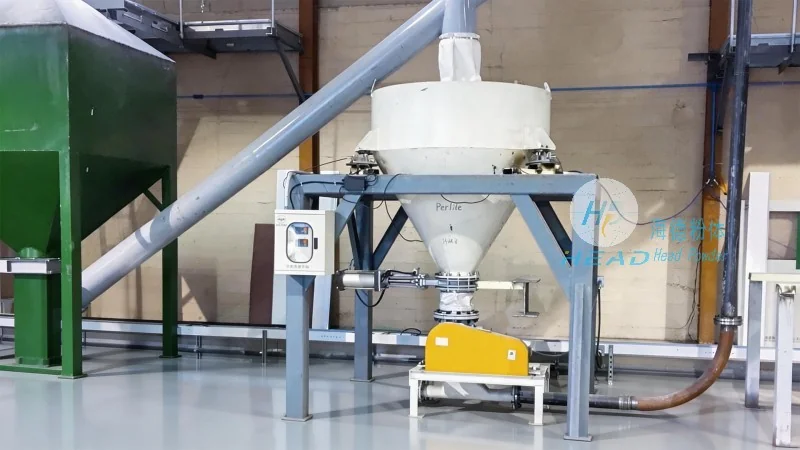
- Reduced Dust Exposure: The enclosed system minimizes the release of fine powder particles into the environment, improving workplace safety and compliance with occupational health regulations.
- Efficient Material Handling: Pneumatic conveying allows for continuous, high-volume transport of zinc oxide powder, reducing downtime and increasing overall production throughput.
- Space Efficiency: The system requires less floor space compared to traditional bulk handling equipment, making it suitable for facilities with limited space.
- Improved Product Quality: The enclosed and controlled environment prevents contamination from external sources, maintaining the purity and quality of the zinc oxide powder throughout the conveying process.
- Flexibility in Layout: Pneumatic conveying systems can be easily reconfigured or extended to accommodate changes in production requirements or facility layout.
Maintenance and Operational Considerations
To ensure the long-term reliability and efficiency of a zinc oxide powder pneumatic conveying line, regular maintenance and proper operational practices are essential. Key considerations include:
- Regular Cleaning and Inspection: The system components, such as the feeder, pipe, and receiver, should be inspected and cleaned periodically to prevent buildup of powder residue, which can lead to blockages or reduced conveying efficiency.
- Filter Maintenance: The air filtration system must be maintained to ensure optimal performance. Clogged filters can increase pressure drop and reduce air flow, impacting the conveying process.
- Powder Handling Precautions: Zinc oxide powder can be abrasive and may cause wear on system components. Using appropriate materials of construction, such as stainless steel or special coatings, can extend the lifespan of the equipment.
- Training and Safety Protocols: Operators should be trained on the proper operation and maintenance of the pneumatic conveying system to prevent accidents and ensure compliance with safety standards.
Conclusion
HeadPowder's expertise in designing and implementing zinc oxide powder pneumatic conveying lines ensures that industrial facilities can handle this critical material efficiently and safely. By understanding the operation process and working principles of such systems, companies can optimize their material handling operations, improve product quality, and enhance overall operational efficiency. With its commitment to quality and innovation, Shandong HeadPowder Engineering Co., Ltd. continues to provide reliable solutions for the industrial handling of zinc oxide powder and other fine powders.