

Principle and Working Scene Characteristics of Pneumatic Conveying Systems for Wood Powder Materials
For industrial applications involving wood powder handling, efficient material transport is crucial. Pneumatic conveying systems offer a reliable solution for moving wood powder from one location to another. This article explores the fundamental principles behind these systems and highlights key working scene characteristics that make them suitable for various wood powder processing environments.
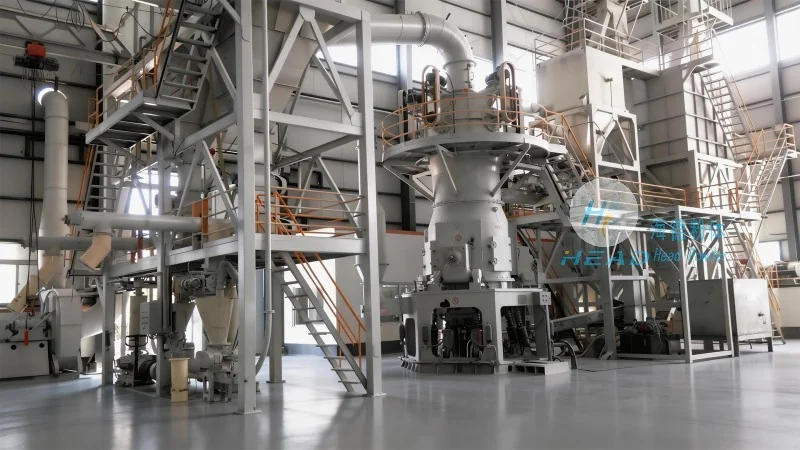
About HeadPowder: A Leading Provider of Pneumatic Conveying Solutions
HeadPowder, or Shandong HeadPowder Engineering Co., Ltd., based in Shandong, China, specializes in designing and manufacturing advanced pneumatic conveying systems tailored for wood powder applications. With years of experience in the industry, HeadPowder delivers high-performance solutions that meet the specific needs of wood processing facilities.
The Principle of Pneumatic Conveying for Wood Powder
Pneumatic conveying systems operate by using air or gas to transport solid materials like wood powder through a pipeline. The core principle involves creating a pressure differential or utilizing vacuum to move the material. In a typical system, wood powder is introduced into a hopper, where it is then drawn into the conveying line by the moving air. The air velocity is carefully controlled to ensure the powder is carried without clogging or degradation. This method eliminates the need for mechanical components such as belts or screws, reducing maintenance and increasing operational efficiency.
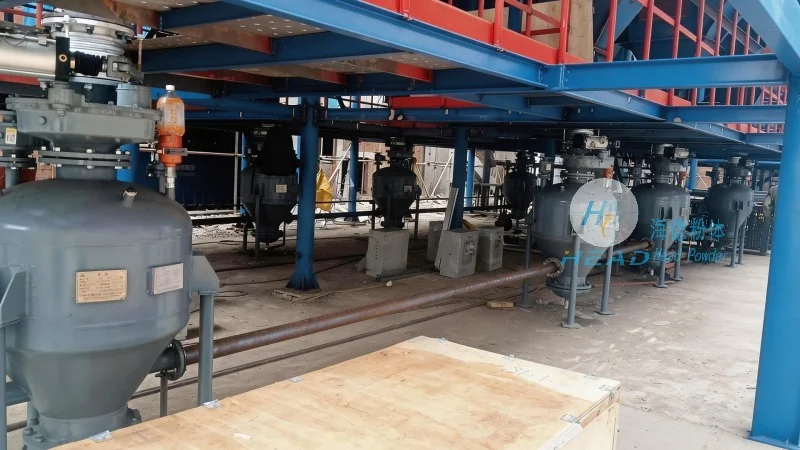
Key Working Scene Characteristics of Pneumatic Conveying Systems
The suitability of pneumatic conveying systems for wood powder applications is determined by several working scene characteristics. First, the system's ability to handle fine, abrasive wood powders without causing wear or blockages is critical. HeadPowder's systems are engineered with materials resistant to abrasion, ensuring long-term durability. Second, the system's efficiency in transporting wood powder over varying distances and elevations is essential. By adjusting air pressure and flow rates, the system can be optimized for different operational requirements, providing consistent material delivery. Third, the system's ability to maintain product quality is vital. Pneumatic conveying minimizes material exposure to contaminants and reduces the risk of dust accumulation, which is particularly important for wood powders used in manufacturing or packaging applications.
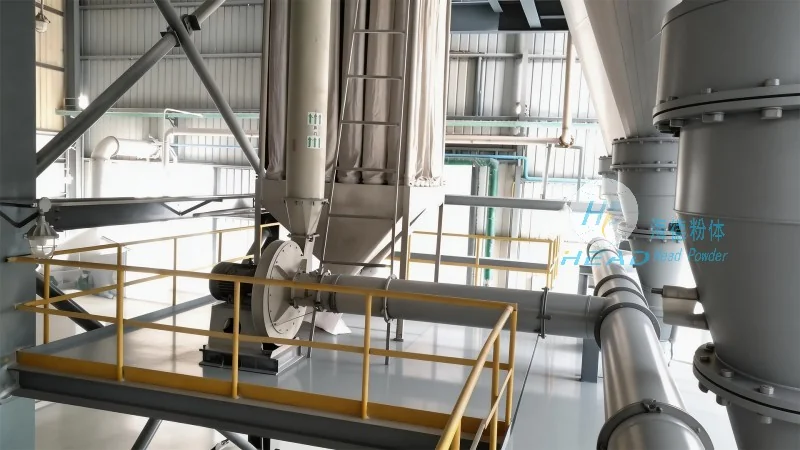
Applications and Benefits in Wood Processing Environments
Pneumatic conveying systems are widely used in wood processing facilities for tasks such as transporting wood chips, sawdust, and fine powders. The benefits include improved safety by eliminating manual handling of powders, reduced labor costs, and enhanced product quality due to better control over material movement. Additionally, these systems are adaptable to different production scales, from small-scale operations to large industrial plants. HeadPowder's solutions are designed to integrate seamlessly with existing wood processing workflows, providing a reliable and efficient material transport solution.
Conclusion: Choosing the Right Pneumatic Conveying System for Wood Powder Handling
When selecting a pneumatic conveying system for wood powder applications, it is essential to consider the specific working scene characteristics and operational requirements. HeadPowder's expertise in designing customized systems ensures that facilities can achieve optimal performance, efficiency, and product quality. By leveraging the principles of pneumatic conveying and tailored engineering solutions, wood processing companies can enhance their operational capabilities and meet the demands of modern production environments.