

Principle and Working Scene Characteristics of Yellow Sand Material Pneumatic Conveying Systems
HeadPowder, a leading provider in the field of material handling solutions, specializes in the design, manufacturing, and implementation of advanced pneumatic conveying systems. This article delves into the fundamental principles and operational characteristics of yellow sand material pneumatic conveying systems, highlighting their efficiency, versatility, and suitability for various industrial applications.

Introduction to Pneumatic Conveying Systems
Pneumatic conveying systems are a critical component in modern material handling, enabling the transport of bulk materials such as yellow sand through the use of air or gas. These systems operate by creating a pressure differential that propels the material through a pipeline network. The technology offers significant advantages over traditional methods like belt conveyors or bucket elevators, including reduced labor costs, improved safety, and the ability to handle materials in a dust-free environment.
Core Principles of Yellow Sand Material Pneumatic Conveying
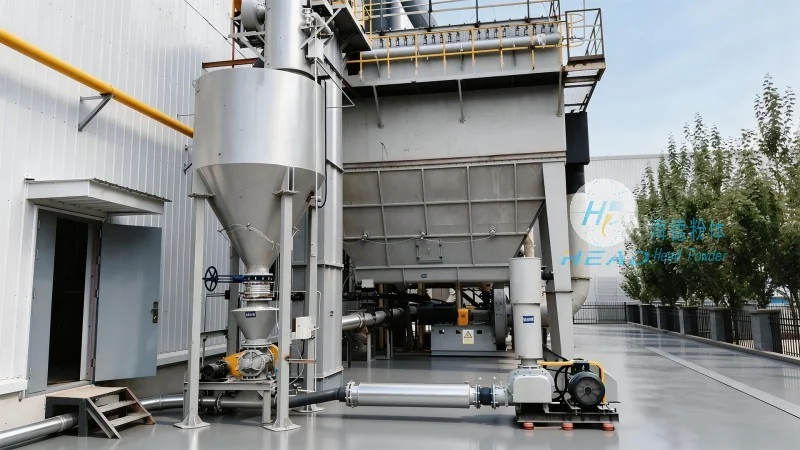
The operation of a yellow sand pneumatic conveying system is based on several key principles. First, the system relies on a blower or compressor to generate the necessary airflow, which is then directed through a pipeline. The material is introduced into the system, typically via a hopper or feeder, and is entrained by the moving air. The air-material mixture travels through the pipeline, with the pressure and velocity of the air determining the system's capacity and efficiency. The system may use either positive pressure (where air is forced into the pipeline) or negative pressure (where air is drawn out), depending on the specific application and material characteristics.
Working Scene Characteristics and Applications
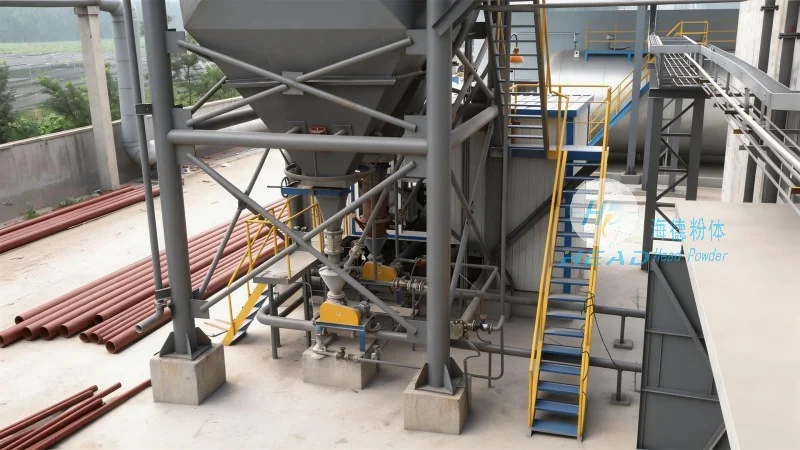
Yellow sand material pneumatic conveying systems are particularly well-suited for industrial environments where the transport of fine or abrasive materials is required. These systems are commonly used in construction material processing, mining operations, and manufacturing facilities. The working scene characteristics include the ability to handle materials with high moisture content or those that are prone to caking, as the pneumatic transport minimizes material degradation and ensures consistent flow. Additionally, the systems are designed to be compact and adaptable, allowing for integration into existing production lines without significant modifications.
Advantages of HeadPowder's Pneumatic Conveying Solutions
HeadPowder Engineering Co., Ltd., based in Shandong, China, offers customized pneumatic conveying solutions tailored to the unique needs of each client. Our systems are engineered to maximize efficiency while ensuring compliance with industry standards and safety regulations. The company's expertise in material handling technology allows for the design of systems that optimize energy consumption, reduce maintenance costs, and enhance overall productivity. By leveraging advanced control systems and durable components, HeadPowder's solutions provide reliable performance in demanding working environments.
Conclusion
In conclusion, yellow sand material pneumatic conveying systems represent a sophisticated and efficient method for bulk material transport. The principles of air entrainment and pressure differential, combined with the working scene characteristics that cater to industrial needs, make these systems a preferred choice for many applications. HeadPowder Engineering Co., Ltd., with its headquarters in Shandong, China, continues to innovate and provide high-quality pneumatic conveying solutions that meet the evolving demands of the industry.