

Principle and Working Scene Characteristics of Pneumatic Conveying Systems for Rice Materials
Efficient material handling is a critical component in the rice processing industry, where maintaining product quality and operational efficiency is paramount. Pneumatic conveying systems have emerged as a sophisticated solution for transporting rice and other similar bulk materials, offering a clean, dust-free, and flexible method of material movement. This article explores the fundamental principles behind these systems and highlights the key characteristics of their application in various working scenarios, with a focus on the expertise of Shandong HeadPowder Engineering Co., Ltd., a leading provider in the field.
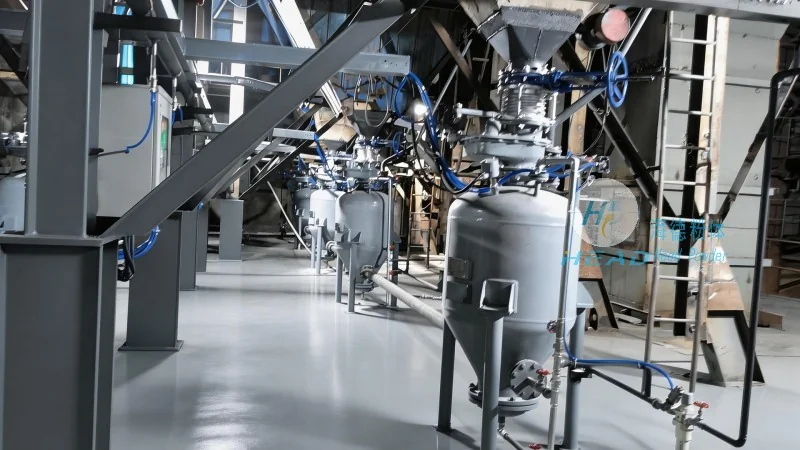
Principle of Pneumatic Conveying Systems for Rice Materials
The core principle of pneumatic conveying for rice involves using air to transport particles through a pipeline. Unlike traditional mechanical conveyors, which rely on physical contact and friction, pneumatic systems utilize air pressure to move materials. In the context of rice, which is a light, dry, and often delicate commodity, this method is particularly advantageous. The system typically consists of a hopper to store the rice, a blower or compressor to generate the air flow, and a pipeline network that guides the material from the source to the destination. The air velocity and pressure are carefully controlled to ensure that the rice particles are carried without excessive impact or breakage, preserving the grain's integrity. There are two main types of pneumatic conveying: dilute-phase and dense-phase. Dilute-phase systems use higher air velocities to keep particles suspended in the air stream, suitable for short-distance and low-volume transport. Dense-phase systems, on the other hand, operate at lower velocities, allowing particles to settle and form a slurry-like flow, ideal for longer distances and higher material loads. For rice, the choice between these systems depends on the specific application, such as whether the material is being moved from a warehouse to a processing plant or from a processing line to a storage silo.
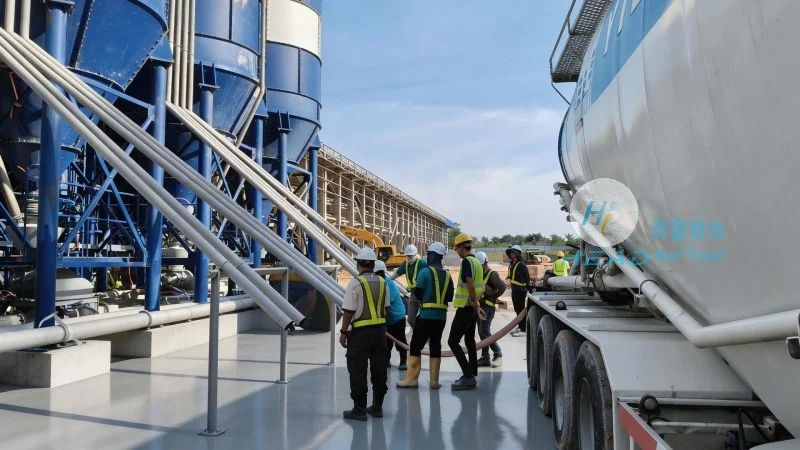
Working Scene Characteristics of Pneumatic Conveying Systems
The application of pneumatic conveying systems in rice processing varies based on the operational environment and the specific needs of the facility. In warehouse settings, these systems are commonly used for transferring rice from storage bins to processing equipment or for moving finished products to packaging lines. The key characteristic here is the ability to handle large volumes of material with minimal human intervention, reducing labor costs and improving safety. For example, in a large-scale rice mill, a pneumatic conveying system can efficiently transport raw rice from the reception area to the milling machinery, ensuring a continuous and smooth production flow. The dust control aspect is also a significant advantage in warehouse applications, as rice is a fine-grained product that can generate dust when handled mechanically. Pneumatic systems, by using enclosed pipelines, prevent dust from spreading, maintaining a cleaner and healthier working environment. In processing plants, the systems are often integrated into the production line to move intermediate products, such as milled rice or broken grains, between different stages of processing. This integration allows for a seamless flow of material, minimizing downtime and maximizing productivity. The flexibility of pneumatic systems is another notable characteristic, as they can be easily reconfigured to accommodate changes in production volume or to adapt to different processing stages. For instance, a system designed for moving raw rice can be modified to handle the transport of byproducts, such as bran or hulls, without significant modifications. This adaptability makes pneumatic conveying a versatile solution for rice processing facilities, capable of meeting the diverse needs of modern operations.
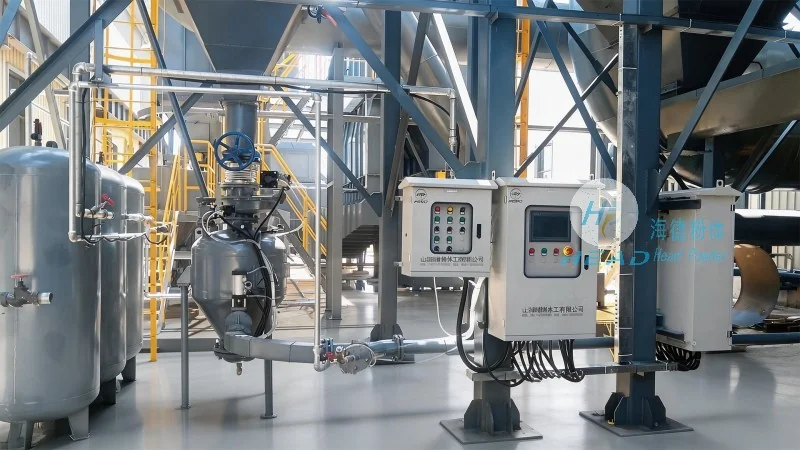
About Shandong HeadPowder Engineering Co., Ltd.
Shandong HeadPowder Engineering Co., Ltd., operating under the brand name headpowder, is a reputable company specializing in the design, manufacturing, and installation of pneumatic conveying systems for various industries, including the rice sector. With a strong commitment to quality and innovation, HeadPowder has established itself as a trusted partner for businesses seeking reliable material handling solutions. The company's expertise lies in understanding the unique characteristics of different materials, such as rice, and tailoring systems that optimize performance while ensuring product integrity. HeadPowder's team of engineers and technicians work closely with clients to assess their specific needs, from initial consultation to final installation and commissioning. This collaborative approach ensures that the final system meets all operational requirements and complies with industry standards. The company's facilities are equipped with advanced technology and testing equipment, allowing for thorough evaluation of system performance before delivery. This attention to detail and dedication to quality has earned HeadPowder a reputation for delivering high-performance pneumatic conveying systems that enhance operational efficiency and reduce maintenance costs. Based in Shandong, China, HeadPowder leverages its local expertise and resources to provide timely and effective support to clients, ensuring that their systems operate at peak efficiency throughout their lifecycle.