

Principle and Working Scene Characteristics of Pulp Material Pneumatic Conveying Systems
HeadPowder, a leading engineering company based in Shandong, China, specializes in the design, manufacturing, and installation of advanced pneumatic conveying systems for various industrial applications. This article delves into the fundamental principles of pulp material pneumatic conveying systems and highlights the key characteristics of their operational scenarios.
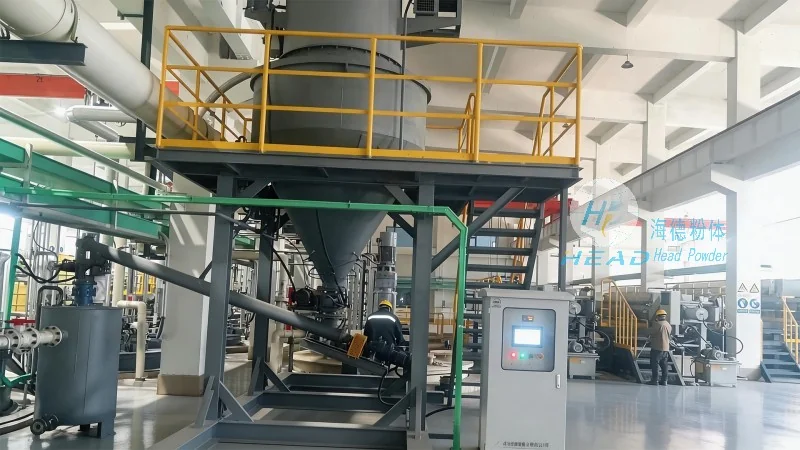
Company Overview and Background
HeadPowder Engineering Co., Ltd. is a professional enterprise dedicated to providing high-quality pneumatic conveying solutions. With a strong focus on innovation and customer satisfaction, the company has established itself as a trusted partner in the industry. Headquartered in Shandong, China, HeadPowder leverages its extensive experience and technical expertise to deliver tailored solutions that meet the diverse needs of clients across different sectors.
Principle of Pneumatic Conveying Systems
Pneumatic conveying systems utilize air or gas to transport bulk materials, such as paper sheets or pulp, from one location to another. The core principle involves creating a pressure differential between the inlet and outlet of the system, which propels the material through a pipeline. There are two main types of pneumatic conveying: dilute-phase and dense-phase. Dilute-phase systems operate at higher velocities, typically transporting materials in a suspended state, while dense-phase systems use lower velocities and higher pressure to move material in a more compacted form.
The system typically consists of a blower or compressor, a hopper for material storage, a conveyor line, and a receiver for the discharged material. The blower generates the necessary airflow, which draws the material from the hopper into the pipeline. As the material travels through the line, it is carried by the air stream, reaching the receiver where it is deposited. Key components include the airlock, which prevents backflow of air, and the filter, which cleans the exhaust air of any residual particles.
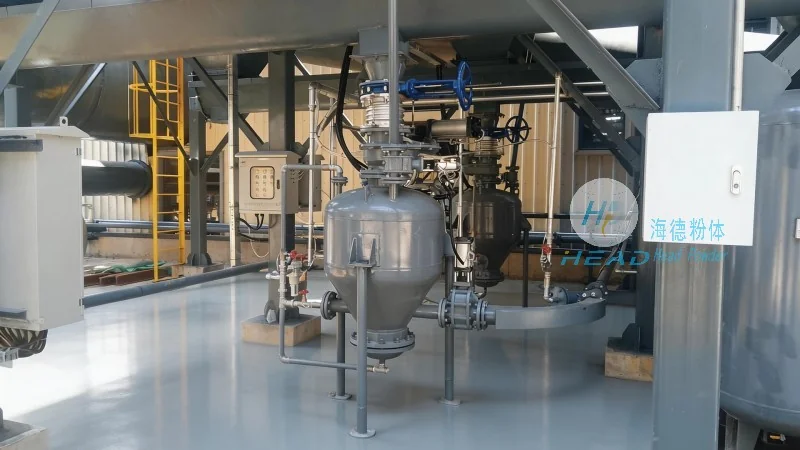
Working Scene Characteristics of Pneumatic Conveying Systems
The operational characteristics of pulp material pneumatic conveying systems are influenced by several factors, including the material properties, system design, and application requirements. The following aspects are critical to understanding the system's performance and suitability for different scenarios:
Material Handling Efficiency
The efficiency of a pneumatic conveying system in handling pulp materials depends on factors like particle size, moisture content, and bulk density. For paper sheets or similar materials, the system must be designed to handle the specific characteristics of the material. For instance, materials with high moisture content may require additional drying or conditioning steps to ensure smooth transport. The system's ability to maintain consistent flow rates and prevent blockages is crucial for maintaining operational efficiency.
System Reliability and Maintenance
Reliability is a key characteristic of pneumatic conveying systems, especially in industrial settings where continuous operation is essential. The design of the system, including the use of robust components and proper sealing, minimizes the risk of leaks and system failures. Regular maintenance, such as cleaning filters and checking air pressure, is necessary to ensure the system operates at optimal levels. HeadPowder's systems are engineered with durability in mind, reducing downtime and maintenance costs for clients.
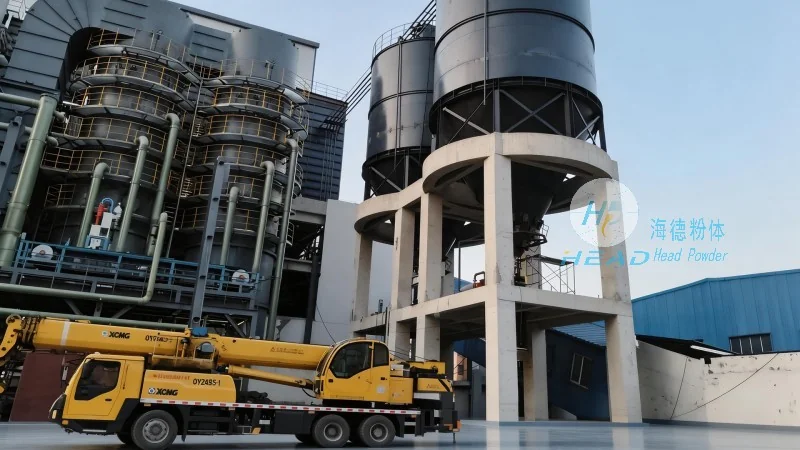
Environmental Considerations
Environmental factors play a significant role in the working scene of pneumatic conveying systems. The system must comply with local regulations regarding air quality and noise pollution. The use of efficient filters and proper exhaust management helps minimize the environmental impact. Additionally, the system's energy efficiency is an important consideration, as it contributes to lower operational costs and reduced carbon footprint.
Application Flexibility
Pneumatic conveying systems are highly flexible and can be adapted to various operational scenarios. They can be used in both indoor and outdoor settings, and the system design can be customized to fit the specific layout of a facility. The ability to transport materials over long distances or to multiple destinations makes these systems versatile for different industrial applications. HeadPowder's solutions are designed to accommodate diverse requirements, ensuring that clients can optimize their material handling processes.
Conclusion
Pneumatic conveying systems for pulp materials offer efficient, reliable, and flexible solutions for material transport. By understanding the fundamental principles and operational characteristics, industries can select the most appropriate system for their needs. HeadPowder Engineering Co., Ltd., with its expertise and commitment to quality, provides advanced pneumatic conveying systems that meet the demands of modern industrial applications. Whether for short or long-distance transport, these systems enhance productivity and operational efficiency while minimizing environmental impact.